
Choosing the Right Temperature Control System for Your Cold Room
Maintaining precise temperature control in cold rooms is critical for preserving product quality, reducing waste, ensuring compliance, and optimizing energy efficiency. Whether you operate a food storage facility, pharmaceutical warehouse, or logistics hub, selecting the right temperature control system can make a significant difference in operational performance and cost savings. Choosing the Right Temperature Control System for Your Cold Room
With a growing variety of technologies available—from traditional thermostats to advanced IoT-based automated systems—making the right choice requires a clear understanding of your cold room’s requirements, environmental factors, and long-term operational goals. This article provides a comprehensive guide to choosing the right temperature control system for your cold room.
Why Temperature Control Matters in Cold Rooms
Cold rooms are sensitive environments where even minor temperature fluctuations can have serious consequences. Understanding the stakes helps clarify why investing in the right system is crucial.
Impact on Product Quality
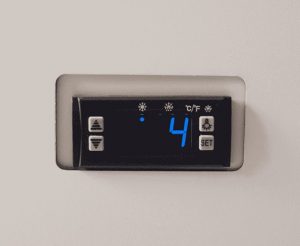
Many products stored in cold rooms—such as perishable foods, vaccines, biologics, and chemicals—are highly sensitive to temperature. Incorrect or inconsistent temperatures can lead to:
Reduced shelf life or spoilage
Decreased efficacy of pharmaceuticals
Safety hazards due to bacterial growth
Financial loss from wasted inventory
Operational Efficiency and Cost Management
Temperature control affects energy consumption, equipment longevity, and labor costs. Systems that maintain stable temperatures efficiently can lower electricity bills, reduce wear on compressors, and minimize the need for manual interventions.
Regulatory Compliance
Industries like food and pharmaceuticals face strict temperature monitoring regulations. Inadequate systems can result in non-compliance, fines, or product recalls. Reliable temperature control is essential for accurate data logging and audit readiness.
Key Factors to Consider When Choosing a System
Selecting the right temperature control system is not one-size-fits-all. Several critical factors must be evaluated to ensure optimal performance.
Cold Room Size and Configuration
The dimensions, layout, and number of zones in your cold room affect the type of control system you need. Large facilities or multi-zone storage areas often require sophisticated systems with multiple sensors and automation capabilities to maintain uniform temperature across all zones.
Product Sensitivity
The level of temperature sensitivity of stored products determines the required accuracy and stability of the system. Highly sensitive items, such as vaccines or frozen seafood, require tighter tolerances and faster response times.
Environmental Conditions
External factors such as ambient temperature, humidity, insulation quality, and frequency of door openings can influence system performance. Systems with adaptive or predictive controls perform better in challenging conditions.
Energy Efficiency Requirements
Energy costs are a major expense for cold storage operations. Systems that optimize compressor cycles, airflow, and defrost schedules can reduce energy consumption while maintaining precise temperatures.
Regulatory and Data Logging Needs
If your industry requires documented compliance with food safety or pharmaceutical regulations, consider systems that automatically log temperature data and provide tamper-proof records for audits.
Types of Temperature Control Systems
Temperature control systems vary in technology and complexity. Choosing the right type depends on your operational needs, budget, and scalability requirements.
Conventional Thermostats
Basic thermostats regulate compressor operation based on a set temperature point. While affordable and easy to install, these systems have limited accuracy and do not provide real-time monitoring or automated alerts. They are best suited for small, low-risk storage areas.
Digital Temperature Controllers
Digital controllers offer improved accuracy and often include features like programmable setpoints, alarms, and display panels. These systems provide better stability than analog thermostats but may still require manual monitoring and intervention.
IoT-Enabled Smart Controllers
IoT-enabled systems connect sensors, controllers, and refrigeration equipment to cloud-based platforms. Key advantages include:
Real-time temperature monitoring and alerts
Remote access via dashboards or mobile apps
Automated adjustments based on sensor data
Historical data logging for compliance and analysis
These systems are ideal for medium to large facilities, multi-zone rooms, or operations with high-value, temperature-sensitive products.
Automated and Predictive Systems
The most advanced systems combine IoT connectivity with machine learning and predictive analytics. They can anticipate temperature fluctuations caused by door openings, loading patterns, or external conditions, and adjust cooling proactively. Benefits include energy optimization, reduced equipment wear, and minimized risk of product loss.
Installation and Integration Considerations
Proper installation and system integration are essential for reliable performance.
Compatibility with Existing Equipment
Ensure the chosen system is compatible with your current refrigeration units, fans, and compressors. Some advanced controllers may require additional hardware or software upgrades.
Sensor Placement and Coverage
Strategic sensor placement is critical to avoid temperature blind spots. Sensors should cover key areas such as product storage zones, doors, and high-traffic areas to ensure uniform monitoring.
User Training and Maintenance
Even the most sophisticated system requires trained personnel for configuration, monitoring, and maintenance. Choose systems with user-friendly interfaces and robust support options.
Cost Considerations and ROI
Selecting a system is not just about initial costs; long-term value and return on investment (ROI) are crucial.
Upfront vs. Long-Term Costs
Basic thermostats may be inexpensive upfront but can result in higher energy bills and product losses. IoT or automated systems require higher initial investment but often provide significant savings through energy efficiency, reduced spoilage, and predictive maintenance.
Operational Savings
Automated systems reduce labor requirements, improve equipment efficiency, and minimize downtime. Over time, these savings can offset installation costs and improve overall ROI.
Future-Proofing Your Cold Room
Technology in cold storage is evolving rapidly. Investing in scalable and adaptable temperature control systems ensures your facility remains efficient and compliant in the future.
Scalability and Integration
Choose systems that allow for expansion, additional sensors, or integration with warehouse management, energy monitoring, or IoT platforms. This flexibility supports future growth and technological upgrades.
Embracing Automation and AI
Automated and AI-driven systems are becoming the industry standard. Facilities that adopt these technologies today can achieve greater operational efficiency, better compliance, and enhanced sustainability in the years ahead.
Conclusion
Choosing the right temperature control system for your cold room is a critical decision that impacts product quality, operational efficiency, regulatory compliance, and energy costs. By evaluating factors such as cold room size, product sensitivity, environmental conditions, and future scalability, facility operators can select a system that meets both current and long-term needs.
From basic thermostats to advanced IoT-enabled and automated systems, the right choice depends on balancing precision, reliability, cost, and technological capability. Investing in a modern, smart temperature control solution is not just a technological upgrade—it is a strategic decision that safeguards your products, enhances efficiency, and ensures your cold room operations are future-ready.
Recent Comments