
Fire Protection Systems for Cold Storage Buildings
Cold storage buildings are vital for preserving perishable goods, pharmaceuticals, and other temperature-sensitive products. While much attention is given to refrigeration, insulation, and humidity control, fire safety is equally critical. Cold storage facilities pose unique fire risks due to the combination of electrical equipment, combustible insulation materials, and confined spaces. Implementing effective fire protection systems ensures the safety of personnel, preserves inventory, and minimizes property damage.
This article explores the essential fire protection systems for cold storage buildings, including detection technologies, suppression systems, emergency response protocols, and maintenance practices, providing a comprehensive guide for facility operators and designers.
The Importance of Fire Protection in Cold Storage Facilities
Cold storage buildings face specific challenges when it comes to fire safety. The unique construction materials and operational environment create scenarios that differ from traditional warehouses.
Unique Fire Risks in Cold Storage
Combustible insulation: Polyurethane and polystyrene panels commonly used in walls and ceilings are highly flammable.
Electrical systems: Refrigeration units, lighting, and control panels can generate sparks or overheat.
Limited access: High-density racking and narrow aisles can hinder firefighting efforts.
Low temperatures: Freezer areas may impede fire detection due to sensor limitations.
Without proper fire protection, small ignition sources can escalate quickly, causing significant damage to both property and inventory.
Consequences of Inadequate Fire Safety
Failure to implement robust fire protection measures can result in:
Total loss of inventory
Structural damage and costly repairs
Injuries or fatalities
Regulatory violations and fines
Business interruption and reputational damage
Given the high value of goods stored, fire protection systems are a non-negotiable component of cold storage facility design.
Fire Detection Systems for Cold Storage
Early detection is the first line of defense in fire protection. Cold storage facilities require detection systems that can operate reliably in low temperatures and high-humidity environments.
1. Smoke and Heat Detectors
Conventional smoke detectors may underperform in cold or humid areas, so specialized detectors are necessary:
Aspirating smoke detectors (ASD): Continuously sample air and detect smoke particles, effective in low-temperature zones.
Heat detectors: Trigger alarms when temperature rises sharply, useful in freezer rooms where smoke detection is challenging.
Multi-sensor detectors: Combine smoke and heat detection for higher reliability.
Detectors should be strategically placed near refrigeration units, electrical panels, and storage areas to ensure early warning.
2. Flame Detectors
Flame detectors identify the presence of a fire by sensing infrared or ultraviolet radiation. These detectors are particularly useful for areas with high-value materials or machinery susceptible to electrical fires.
3. Alarm Systems
A robust fire alarm system alerts personnel immediately, triggering evacuation procedures. Alarm components include:
Audible alarms such as sirens or horns
Visual alarms like strobe lights
Networked alerts sent to central monitoring stations or mobile devices
Integration with building management systems ensures that alarms can trigger automatic responses, such as shutting down HVAC systems or unlocking emergency exits.
Fire Suppression Systems
Detection alone is insufficient; cold storage buildings require suppression systems capable of controlling or extinguishing fires quickly without causing damage to stored goods.
1. Sprinkler Systems
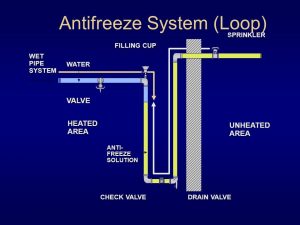
Automatic sprinklers are a common choice for fire suppression in cold storage facilities. However, low temperatures pose a challenge:
Dry-pipe sprinkler systems: Pipes are filled with pressurized air or nitrogen, preventing water from freezing. Water is released only when the sprinkler is activated.
Pre-action systems: Require two triggers—smoke detection followed by heat activation—to release water, minimizing accidental discharge.
Deluge systems: Deliver large volumes of water for high-risk areas, such as electrical rooms or machinery zones.
Proper design ensures adequate coverage while avoiding damage to sensitive products.
2. Gaseous Fire Suppression Systems
For areas where water may damage stored goods, gaseous suppression systems are preferred:
Inert gas systems: Use nitrogen, argon, or carbon dioxide to reduce oxygen levels and extinguish fire.
Clean agent systems: Halocarbon-based agents suppress fire without leaving residue, ideal for electronics and pharmaceuticals.
These systems must comply with environmental and safety regulations to prevent harm to personnel.
3. Foam Suppression Systems
Foam systems are used in specialized applications, such as areas storing flammable liquids or chemicals. The foam smothers the fire and prevents re-ignition. Proper containment and drainage are essential in cold storage environments to avoid flooding and contamination.
Emergency Response and Evacuation Systems
Effective fire protection requires more than detection and suppression; personnel must be able to evacuate safely.
1. Emergency Lighting and Signage
Illuminated exit signs and emergency lighting guide workers to safety, even in low-visibility conditions created by smoke or power loss. Signs should indicate exits, escape routes, and safety equipment locations.
2. Fire Doors and Compartmentalization
Fire-rated doors and walls limit the spread of fire and smoke, protecting other areas of the facility. Proper compartmentalization ensures that high-value storage areas remain insulated from fire hazards.
3. Fire Drills and Training
Personnel training is critical. Regular drills familiarize staff with:
Evacuation procedures
Proper use of fire extinguishers and safety equipment
Emergency communication protocols
Training reduces panic, improves response time, and ensures compliance with safety regulations.
Maintenance and Inspection of Fire Protection Systems
Fire protection systems must be regularly maintained to remain effective. This includes:
Inspecting sprinklers, pipes, and valves for corrosion or blockages
Testing detectors and alarm systems
Checking gaseous suppression systems for pressure levels and leakage
Updating fire response plans and employee training
Preventive maintenance prevents equipment failure and ensures compliance with insurance and regulatory standards.
Regulatory Compliance Considerations
Fire protection systems in cold storage buildings must comply with local and international safety regulations, including:
NFPA (National Fire Protection Association) standards: NFPA 13 for sprinklers, NFPA 72 for alarms, NFPA 2001 for clean agent systems
OSHA regulations: Ensuring fire safety protocols and employee training
Local building codes: Governing fire suppression, detection, and egress routes
Compliance reduces liability, ensures safety, and may lower insurance premiums.
Emerging Technologies in Cold Storage Fire Protection
Advanced systems enhance fire protection efficiency and minimize disruption:
1. Smart Fire Detection Systems
IoT-enabled sensors and AI algorithms detect early fire indicators, monitor environmental conditions, and predict potential hazards. These systems allow remote monitoring and automated alerts to facility managers.
2. Integration with Building Management Systems
Fire protection systems integrated into BMS can automatically:
Shut down HVAC systems to prevent smoke spread
Activate suppression systems selectively
Notify emergency responders immediately
Automation improves response time and minimizes product and infrastructure damage.
3. Non-Water-Based Suppression Innovations
Emerging agents such as inert gas blends and fine mist systems provide effective fire suppression while minimizing water damage and maintaining refrigeration integrity.
Conclusion
Fire protection is a vital component of cold storage facility design and operation. Effective systems combine early detection, reliable suppression, emergency response protocols, and regular maintenance to ensure safety and minimize losses.
Sprinklers, gaseous agents, and foam systems must be selected based on facility layout, stored product type, and operational environment. Advanced monitoring, integration with building management systems, and employee training enhance fire response and operational safety.
Investing in comprehensive fire protection systems not only safeguards personnel and inventory but also ensures compliance, reduces operational risk, and maintains the long-term reliability of cold storage facilities. A proactive approach to fire safety is essential for any modern cold storage operation.
Recent Comments