
Cold Storage Solutions for Small-Scale Farmers
Small-scale farmers face unique challenges in preserving the quality and shelf life of their perishable products. Fresh fruits, vegetables, dairy, and other farm produce are highly susceptible to spoilage, which can lead to significant financial losses and wasted labor. Cold storage solutions are critical for extending product freshness, maintaining food safety, and enabling farmers to access broader markets.
Advancements in refrigeration technology, modular storage systems, and energy-efficient solutions now make cold storage accessible even for smaller operations. This article explores the benefits, types, and best practices for implementing cold storage solutions tailored to small-scale farmers.
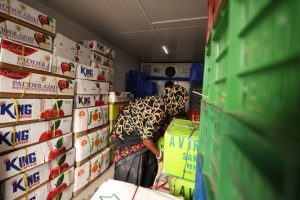
The Importance of Cold Storage for Small-Scale Farmers
Cold storage provides an essential link between farm production and consumer consumption, helping farmers protect their investments.
Reducing Post-Harvest Losses
Post-harvest losses are a major concern for small-scale farmers, often ranging from 20% to 40% of total production. Cold storage slows down ripening, decay, and microbial growth, preserving produce quality and minimizing financial losses.
Extending Market Reach
With proper cold storage, farmers can transport goods to distant markets without compromising freshness. This opens opportunities for higher-value sales and partnerships with wholesalers, retailers, and e-commerce platforms.
Meeting Consumer Expectations
Modern consumers demand fresh, high-quality products. Cold storage ensures that produce retains its texture, color, flavor, and nutritional value, enhancing reputation and customer satisfaction.
Types of Cold Storage Solutions for Small-Scale Farms
Small-scale farmers can choose from a variety of cold storage systems based on capacity, budget, and energy availability.
Walk-In Refrigeration Units
Walk-in coolers and freezers provide scalable storage for moderate volumes of produce. They offer controlled temperature and humidity, suitable for vegetables, fruits, dairy, and eggs. These units can be modular, allowing expansion as farm operations grow.
Modular Cold Storage Containers
Prefabricated cold storage containers are compact, energy-efficient, and easy to install. They are ideal for farms with limited space and can be relocated as needed. Many models come with built-in temperature and humidity controls.
Evaporative and Solar-Powered Cold Storage
In regions with unreliable electricity, evaporative cooling units or solar-powered cold storage systems provide a sustainable solution. These systems reduce energy costs and are environmentally friendly while maintaining adequate temperature control.
Community Cold Storage Facilities
Small-scale farmers can collaborate to establish shared cold storage hubs. Community facilities lower individual investment costs, promote cooperative business models, and provide access to professional-grade refrigeration technology.
Key Features to Consider When Selecting Cold Storage
Choosing the right cold storage solution requires understanding the farm’s operational needs and product characteristics.
Temperature and Humidity Control
Different crops require specific temperature and humidity levels. Leafy greens may need high humidity and cool temperatures, while fruits like apples prefer slightly lower humidity. Adjustable controls allow farmers to optimize conditions for diverse produce.
Energy Efficiency
Energy costs can be significant for small farms. Look for insulation quality, energy-efficient compressors, and technologies like variable-speed motors or natural refrigerants to minimize operational expenses.
Ease of Operation and Maintenance
Small-scale farmers often lack specialized technical staff. Cold storage units should be user-friendly, require minimal maintenance, and include clear operating instructions. Remote monitoring features can help detect issues early.
Scalability
As farms grow, storage needs increase. Modular or expandable systems allow farmers to scale operations without large upfront investments in additional infrastructure.
Best Practices for Operating Cold Storage on Small Farms
Proper use and maintenance of cold storage is as important as the storage unit itself.
Pre-Cooling Produce
Pre-cooling involves lowering the temperature of harvested products before placing them in storage. Techniques like forced-air cooling, hydrocooling, or vacuum cooling reduce field heat and extend shelf life.
Proper Packaging and Ventilation
Use breathable crates, cartons, or mesh bags to allow airflow around products. Avoid overcrowding, which can lead to uneven cooling and spoilage.
Regular Temperature Monitoring
Install thermometers or digital temperature sensors to ensure consistent conditions. For sensitive crops, automated alerts can notify farmers of temperature deviations before damage occurs.
Inventory Rotation
Implement First-In, First-Out (FIFO) or First-Expired, First-Out (FEFO) practices to reduce waste. Organize storage areas to prioritize older stock and maintain product freshness.
Sanitation and Pest Control
Keep storage areas clean and dry. Regularly inspect for pests, mold, or water accumulation, and perform scheduled cleaning of floors, walls, and equipment.
Leveraging Technology for Small-Scale Cold Storage
Even small farms can benefit from technology to manage storage efficiently.
Remote Monitoring Systems
IoT-based sensors allow farmers to monitor temperature and humidity remotely via mobile apps or web dashboards. Alerts help prevent spoilage and reduce the need for constant manual checks.
Automated Defrost and Maintenance
Automated defrost cycles and maintenance reminders reduce downtime and ensure consistent operation. Some systems include self-diagnostic features to detect early signs of equipment failure.
Data Tracking and Analytics
Recording storage conditions, product turnover, and spoilage rates helps farmers make informed decisions about harvest timing, storage practices, and market planning. Analytics can also support compliance with food safety regulations.
Financing and Support Options for Small Farmers
Investing in cold storage may be challenging for small-scale operations, but several options exist.
Government and NGO Programs
Many governments and non-profit organizations offer grants, subsidies, or low-interest loans to support small farmers in establishing cold storage infrastructure.
Cooperative Models
Joining a cooperative allows farmers to pool resources and share the cost of high-quality storage systems. This model reduces financial risk while providing access to advanced refrigeration technology.
Lease or Rental Solutions
Leasing cold storage units or renting modular containers can minimize upfront investment while still enabling immediate storage capabilities. Some providers offer flexible contracts tailored to seasonal needs.
Benefits of Cold Storage for Small-Scale Farmers
Implementing cold storage delivers multiple operational and financial benefits.
Reduced Waste and Increased Profits
By extending shelf life and preventing spoilage, farmers can sell a larger portion of their harvest, improving profitability and reducing losses.
Market Expansion
Cold storage enables access to distant markets, including urban centers, retailers, and e-commerce platforms. Farmers can meet higher demand and secure premium prices for quality products.
Improved Food Safety
Maintaining proper temperatures reduces the risk of microbial contamination and ensures compliance with food safety standards, protecting both consumers and farm reputation.
Operational Flexibility
Cold storage allows farmers to manage harvest timing, plan staggered deliveries, and respond to market fluctuations without the pressure of immediate sales.
Conclusion
Cold storage solutions are no longer exclusive to large commercial operations. Small-scale farmers can now access affordable, scalable, and energy-efficient options to preserve their produce, reduce waste, and expand market reach. By selecting the right storage system, implementing proper pre-cooling, monitoring, and inventory practices, and leveraging technology, small farmers can ensure product quality, meet consumer demand, and increase profitability.
Whether through individual units, modular containers, or community cooperatives, cold storage empowers small-scale farmers to compete in modern agricultural markets, support food security, and maximize the value of their harvests. Investing in proper cold storage infrastructure is not just an operational improvement—it is a strategic step toward long-term farm sustainability and growth.
Recent Comments