
Eco-Friendly Refrigeration: The Future of Cold Storage
As global demand for temperature-controlled storage continues to rise, the cold storage industry faces increasing pressure to reduce its environmental impact. Traditional refrigeration systems consume large amounts of energy and often rely on refrigerants that contribute to greenhouse gas emissions. In response, businesses are shifting toward eco-friendly refrigeration solutions that balance performance with sustainability. These innovations are not only better for the environment but also offer long-term cost savings and improved operational efficiency.
The Environmental Impact of Traditional Refrigeration
Cold storage facilities are among the most energy-intensive operations in the logistics and supply chain sector. Conventional refrigeration systems typically rely on hydrofluorocarbons (HFCs), which are potent greenhouse gases. When released into the atmosphere, these substances significantly contribute to global warming.
In addition to refrigerant emissions, high electricity consumption increases a facility’s carbon footprint. As energy demand grows, so does reliance on fossil fuels, further exacerbating environmental concerns. This has led governments and regulatory bodies to introduce stricter guidelines aimed at reducing emissions and encouraging the adoption of greener technologies.
What is Eco-Friendly Refrigeration?
Eco-friendly refrigeration refers to systems and practices designed to minimize environmental impact while maintaining optimal cooling performance. This includes the use of natural refrigerants, energy-efficient technologies, and smart monitoring systems.
The goal is to create a sustainable cooling process that reduces greenhouse gas emissions, lowers energy consumption, and supports long-term environmental goals. These systems are becoming increasingly important as businesses strive to meet sustainability targets and comply with evolving regulations.
Natural Refrigerants: A Sustainable Alternative
Ammonia (NH3)
Ammonia is one of the oldest and most widely used natural refrigerants. It has zero global warming potential (GWP) and excellent thermodynamic properties, making it highly efficient for industrial cold storage applications. While it requires careful handling due to its toxicity, modern systems are designed with safety measures to mitigate risks.
Carbon Dioxide (CO2)
Carbon dioxide is gaining popularity as an eco-friendly refrigerant due to its low environmental impact and non-toxic nature. CO2 systems are particularly effective in colder climates and are widely used in both commercial and industrial refrigeration.
Hydrocarbons (Propane, Isobutane)
Hydrocarbons are energy-efficient and have minimal environmental impact. They are commonly used in smaller systems and are known for their excellent cooling performance. However, their flammability requires proper system design and safety protocols.
Energy-Efficient Technologies Driving Change
Advanced Compressors
Modern compressors are designed to operate with higher efficiency and lower energy consumption. Variable speed compressors adjust output based on demand, reducing unnecessary energy use and improving system performance.
Heat Recovery Systems
Heat recovery technology captures waste heat generated during the refrigeration process and repurposes it for other applications, such as space heating or water heating. This reduces overall energy consumption and improves efficiency.
Smart Controls and Automation
Automation plays a key role in eco-friendly refrigeration. Smart control systems monitor temperature, humidity, and equipment performance in real time, allowing for precise adjustments that optimize energy use.
Improving Facility Design for Sustainability
High-Performance Insulation
Effective insulation reduces heat transfer, minimizing the workload on refrigeration systems. Advanced materials and construction techniques help maintain consistent internal temperatures while lowering energy demand.
Efficient Layout and Airflow Management
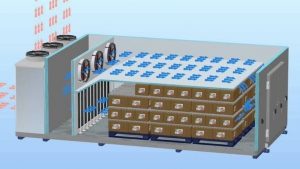
Proper facility design ensures optimal airflow and reduces temperature fluctuations. Strategic placement of storage zones and equipment can significantly enhance cooling efficiency.
Energy-Efficient Doors and Seals
Well-sealed doors and rapid-closing mechanisms prevent cold air loss and reduce energy waste. Air curtains and vestibules further enhance temperature control.
Renewable Energy Integration
Solar Power for Cold Storage
Solar energy is an increasingly viable option for powering cold storage facilities. By generating renewable energy on-site, businesses can reduce their reliance on grid electricity and lower their carbon footprint.
Wind and Hybrid Energy Solutions
In some regions, wind energy can complement solar power to create a hybrid system. These solutions provide a more consistent energy supply and further enhance sustainability.
Energy Storage Systems
Battery storage allows facilities to store excess renewable energy and use it during peak demand periods. This not only reduces costs but also ensures a stable energy supply.
The Role of Regulations and Industry Standards
Governments worldwide are implementing stricter regulations to phase out high-GWP refrigerants and promote sustainable alternatives. Compliance with these regulations is essential for businesses operating in the cold storage sector.
Industry standards and certifications also play a crucial role in encouraging best practices. Adopting eco-friendly refrigeration systems helps companies stay ahead of regulatory changes and enhances their reputation as environmentally responsible organizations.
Cost Benefits of Eco-Friendly Refrigeration
Lower Energy Bills
Energy-efficient systems consume less electricity, resulting in significant cost savings over time. Although the initial investment may be higher, the long-term financial benefits often outweigh the upfront costs.
Reduced Maintenance Costs
Modern refrigeration systems are designed for durability and reliability. With fewer breakdowns and improved performance, maintenance expenses are generally lower.
Access to Incentives and Rebates
Many governments offer financial incentives for adopting energy-efficient and environmentally friendly technologies. These programs can help offset installation costs and accelerate return on investment.
Challenges in Adopting Eco-Friendly Refrigeration
High Initial Investment
One of the main barriers to adoption is the upfront cost of new systems and infrastructure upgrades. However, this should be viewed as a long-term investment rather than an immediate expense.
Technical Expertise and Training
Eco-friendly systems often require specialized knowledge for installation and maintenance. Investing in staff training and working with experienced professionals is essential for successful implementation.
System Compatibility
Retrofitting existing facilities with new technologies can be complex. Careful planning and assessment are necessary to ensure compatibility and optimal performance.
The Future of Cold Storage Refrigeration
The future of cold storage lies in sustainable innovation. As technology continues to evolve, eco-friendly refrigeration systems will become more accessible, efficient, and cost-effective. Advances in artificial intelligence, machine learning, and IoT will further enhance system optimization and predictive maintenance.
Businesses that embrace these changes will not only reduce their environmental impact but also gain a competitive advantage in an increasingly sustainability-focused market.
Conclusion
Eco-friendly refrigeration is no longer a niche concept—it is the future of cold storage. By adopting natural refrigerants, energy-efficient technologies, and renewable energy solutions, businesses can significantly reduce their environmental footprint while improving operational efficiency.
Although the transition may require investment and careful planning, the long-term benefits are substantial. From lower energy costs to regulatory compliance and enhanced brand reputation, sustainable refrigeration offers a comprehensive solution for modern cold storage challenges.
As the industry continues to evolve, those who prioritize eco-friendly practices will be better positioned to thrive in a world that increasingly values sustainability and responsible resource management.
Recent Comments