
How to Make Your Cold Storage Operations More Sustainable
Sustainability is no longer a secondary consideration in the cold storage industry—it is a business imperative. With rising energy costs, stricter environmental regulations, and increasing customer expectations, companies must find ways to reduce their environmental footprint while maintaining efficiency and reliability. Cold storage operations, which are inherently energy-intensive, present significant opportunities for improvement. By adopting sustainable practices, businesses can lower costs, improve performance, and contribute to a greener future.
Understanding the Importance of Sustainability in Cold Storage
Cold storage facilities play a critical role in preserving food, pharmaceuticals, and other temperature-sensitive products. However, they also consume large amounts of energy and often rely on refrigerants that can harm the environment. This combination makes sustainability a key concern for operators.
Sustainable cold storage operations focus on reducing energy consumption, minimizing waste, and adopting environmentally friendly technologies. Beyond environmental benefits, these efforts can enhance brand reputation, ensure regulatory compliance, and improve long-term profitability.
Improve Energy Efficiency Across Operations
Upgrade Refrigeration Systems
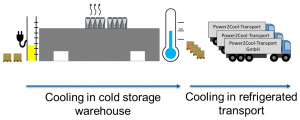
Refrigeration systems are the largest energy consumers in cold storage facilities. Upgrading to modern, energy-efficient systems can significantly reduce electricity usage. Technologies such as variable speed compressors and advanced evaporators allow systems to adjust output based on demand, improving efficiency.
Implement Energy Monitoring Systems
Real-time energy monitoring provides valuable insights into how and where energy is being used. By identifying inefficiencies, operators can make informed decisions to optimize performance and reduce waste.
Schedule Regular Maintenance
Well-maintained equipment operates more efficiently and consumes less energy. Regular inspections, cleaning, and timely repairs prevent small issues from escalating into major problems that increase energy consumption.
Adopt Environmentally Friendly Refrigerants
Transition to Natural Refrigerants
Traditional refrigerants, such as hydrofluorocarbons (HFCs), have high global warming potential. Switching to natural alternatives like ammonia, carbon dioxide, or hydrocarbons can significantly reduce environmental impact.
Ensure Proper Refrigerant Management
Leaks and improper handling of refrigerants can lead to harmful emissions. Implementing strict management practices, including regular leak detection and proper disposal, is essential for sustainability.
Stay Compliant with Regulations
Environmental regulations are becoming increasingly stringent. Staying compliant not only avoids penalties but also positions businesses as responsible and forward-thinking.
Enhance Insulation and Facility Design
Invest in High-Quality Insulation
Proper insulation reduces heat transfer and minimizes the workload on refrigeration systems. Advanced insulation materials can significantly improve temperature retention and energy efficiency.
Seal Doors and Eliminate Air Leaks
Air leaks are a major source of energy loss in cold storage facilities. Ensuring that doors, walls, and loading docks are properly sealed helps maintain consistent temperatures and reduces energy waste.
Optimize Building Layout
Efficient facility design minimizes unnecessary movement and reduces the frequency of door openings. Grouping products by temperature requirements can further enhance efficiency.
Leverage Renewable Energy Sources
Install Solar Panels
Solar energy is one of the most effective ways to reduce reliance on traditional power sources. Installing solar panels can offset a significant portion of a facility’s energy consumption.
Explore Wind and Hybrid Energy Options
In certain regions, wind energy can complement solar power to create a more reliable and sustainable energy supply.
Use Energy Storage Systems
Battery storage allows facilities to store excess energy and use it during peak demand periods, reducing costs and ensuring a consistent energy supply.
Optimize Lighting and Equipment Usage
Switch to LED Lighting
LED lights consume less energy and produce less heat compared to traditional lighting. This reduces both electricity usage and the cooling load on refrigeration systems.
Install Motion Sensors
Motion sensors ensure that lights and equipment are only used when needed. This simple upgrade can lead to significant energy savings over time.
Choose Energy-Efficient Equipment
From forklifts to conveyors, using energy-efficient machinery reduces overall power consumption and contributes to sustainability goals.
Reduce Waste and Improve Resource Management
Minimize Product Loss
Proper temperature control and inventory management help prevent spoilage and waste. Reducing product loss not only saves money but also minimizes environmental impact.
Implement Recycling Programs
Recycling materials such as packaging, pallets, and insulation reduces waste sent to landfills and supports a circular economy.
Optimize Water Usage
Water is often used in cleaning and maintenance processes. Implementing water-saving practices and recycling systems can reduce consumption.
Utilize Smart Technology and Automation
Adopt IoT Sensors
Internet of Things (IoT) sensors provide real-time data on temperature, humidity, and equipment performance. This allows for precise control and quick response to any issues.
Implement Predictive Maintenance
Predictive maintenance uses data analytics to identify potential equipment failures before they occur. This reduces downtime and ensures systems operate efficiently.
Use Automated Controls
Automation systems can optimize temperature settings, lighting, and equipment usage, reducing energy waste and improving consistency.
Train Staff and Build a Sustainability Culture
Educate Employees
Employees play a crucial role in maintaining sustainable operations. Training staff on best practices, such as minimizing door openings and reporting issues, can lead to significant improvements.
Encourage Accountability
Setting clear sustainability goals and tracking performance helps create accountability. Employees are more likely to adopt eco-friendly practices when they understand their impact.
Promote Continuous Improvement
Sustainability is an ongoing process. Regular audits and feedback loops ensure that operations continue to improve over time.
Collaborate with Sustainable Partners
Choose Green Suppliers
Working with suppliers who prioritize sustainability ensures that environmental responsibility extends throughout the supply chain.
Partner with Energy Experts
Consulting with energy specialists can help identify opportunities for improvement and implement effective solutions.
Engage in Industry Initiatives
Participating in sustainability programs and industry groups can provide valuable insights and support continuous improvement.
Measure and Track Sustainability Performance
Set Clear Metrics
Establishing measurable goals, such as energy reduction targets or waste reduction percentages, helps track progress and maintain focus.
Conduct Regular Audits
Energy and sustainability audits identify inefficiencies and highlight areas for improvement.
Report and Communicate Results
Sharing sustainability achievements with stakeholders enhances transparency and builds trust with customers and partners.
Conclusion
Making cold storage operations more sustainable requires a comprehensive approach that combines technology, process improvements, and cultural change. From upgrading refrigeration systems and adopting renewable energy to reducing waste and leveraging smart technologies, there are numerous ways to enhance sustainability.
While some initiatives require upfront investment, the long-term benefits far outweigh the costs. Lower energy bills, improved efficiency, regulatory compliance, and a stronger brand reputation all contribute to a more resilient and competitive business.
As sustainability continues to shape the future of the cold storage industry, companies that take proactive steps today will be better positioned to succeed in the years ahead. By embracing innovation and committing to continuous improvement, cold storage operators can play a vital role in building a more sustainable and environmentally responsible world.
Recent Comments