
Cold Storage Durability Factors
Cold storage facilities are indispensable in industries that require temperature-controlled environments, such as food preservation, pharmaceuticals, and chemical storage. The durability of these facilities is crucial to ensure consistent performance, safety, and cost-effectiveness. Understanding the factors that influence the durability of cold storage facilities can help operators maintain them better and make smarter investment decisions. In this article, we will explore the key factors that affect cold storage durability and offer insights on optimizing facility longevity.
Understanding Cold Storage Durability
Durability in cold storage facilities refers to their ability to withstand operational stresses, environmental conditions, and the passage of time while maintaining structural integrity and thermal performance. A durable facility minimizes downtime, energy costs, and product losses.
Importance of Durability in Cold Storage
Durability directly affects the facility’s operational life span and return on investment. A durable cold storage unit maintains stable temperatures, protects stored goods, and reduces the frequency of repairs and replacements. Conversely, poor durability can lead to frequent equipment failures, temperature inconsistencies, and higher operating costs.
Key Factors Affecting Cold Storage Durability
Several factors determine how durable a cold storage facility will be. These include construction materials, refrigeration systems, environmental conditions, and maintenance practices.
1. Quality of Construction Materials
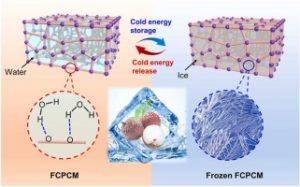
The materials used in building a cold storage facility significantly impact its durability.
Insulation Panels: High-quality insulated panels made with polyurethane or polystyrene foam provide better thermal resistance and longevity. The thickness and R-value of the insulation influence energy efficiency and temperature stability.
Structural Framework: The durability of the structural frame, usually made from steel or aluminum, depends on material grade and protective coatings. Corrosion-resistant metals and galvanized steel frames offer better longevity, especially in humid or coastal environments.
2. Refrigeration System Reliability
The refrigeration equipment is the heart of any cold storage facility.
Compressor and Condenser Quality: Durable compressors and condensers built by reputable manufacturers tend to last longer and perform more efficiently.
System Design: Well-designed refrigeration systems distribute cooling evenly, reducing strain on individual components.
Regular Maintenance: Preventive care extends equipment life by avoiding overheating, leaks, and mechanical failures.
3. Environmental Conditions
The facility’s location and surrounding environment influence its durability.
Climate: Extreme temperatures, humidity, and weather events can accelerate wear and tear on insulation and structural materials.
Corrosive Atmospheres: Facilities near saltwater or chemical plants require additional corrosion protection to prevent rust and deterioration.
4. Operational Load and Usage
How the cold storage is used also impacts its durability.
Frequency of Access: High traffic through loading docks and doors increases wear on seals, doors, and floors.
Storage Practices: Improper stacking or handling of goods can physically damage insulation and walls.
Load Weight and Distribution: Excessive or uneven loading may stress structural components, causing long-term damage.
Additional Factors Influencing Durability
Beyond the primary factors, several other elements play a role in cold storage longevity.
Maintenance and Inspection Routines
Regular maintenance is essential for early detection and repair of issues. This includes:
Checking for leaks and condensation
Inspecting door seals and insulation panels
Servicing refrigeration equipment
Monitoring temperature controls and alarms
Technological Integration
Modern monitoring and automation improve durability by enabling:
Real-time condition monitoring
Automated fault detection and alerts
Optimized energy use reducing mechanical stress
Building Design and Engineering
Thoughtful architectural design enhances durability by:
Minimizing thermal bridging
Incorporating weather protection features such as overhangs and vapor barriers
Using modular construction for easier repairs and upgrades
Best Practices to Enhance Cold Storage Durability
Implementing best practices can significantly improve facility longevity.
Choose High-Quality Materials
Invest in premium insulation and corrosion-resistant materials suited to your environment.
Maintain Equipment Regularly
Establish strict maintenance schedules for refrigeration systems and structural inspections.
Monitor Environmental Conditions
Use sensors to track temperature, humidity, and potential leaks for proactive management.
Train Staff Properly
Educate employees on proper handling to minimize physical damage and maintain facility integrity.
Plan for Upgrades
Schedule periodic upgrades of equipment and insulation to keep the facility operating efficiently.
Conclusion
Cold storage durability hinges on a combination of construction quality, refrigeration system reliability, environmental factors, and diligent maintenance. Understanding these factors allows operators to extend the life of their facilities, reduce operational costs, and ensure product safety. Investing in durable materials, regular upkeep, and modern technology is key to maximizing the return on investment and maintaining consistent cold storage performance over time.
Recent Comments