
The Economic Impact of Cold Storage Infrastructure in Agriculture
Cold storage infrastructure plays a crucial role in modern agriculture, significantly affecting the economy by reducing post-harvest losses, improving product quality, and enhancing market reach. This article explores how cold storage facilities contribute to agricultural economics, the challenges faced, and the future outlook for this vital sector.
Understanding Cold Storage Infrastructure in Agriculture
Cold storage refers to specialized facilities that maintain low temperatures to preserve perishable agricultural products such as fruits, vegetables, dairy, meat, and seafood. These infrastructures include refrigerated warehouses, cold rooms, and controlled atmosphere storage units designed to extend the shelf life of agricultural produce and reduce spoilage.
Types of Cold Storage Facilities
There are several types of cold storage solutions used in agriculture:
- Refrigerated Warehouses: Large-scale facilities used to store bulk quantities of perishable goods.
- Cold Rooms: Smaller units commonly used by farmers and traders for short-term storage.
- Controlled Atmosphere Storage: Advanced technology that controls oxygen, carbon dioxide, and humidity levels to optimize preservation.
Economic Benefits of Cold Storage in Agriculture
Cold storage infrastructure contributes significantly to the agricultural economy by stabilizing supply chains, reducing losses, and improving profitability for producers and distributors.
Reducing Post-Harvest Losses
One of the biggest challenges in agriculture, especially in developing countries, is the high rate of post-harvest losses. According to the Food and Agriculture Organization (FAO), nearly one-third of all food produced globally is lost or wasted. Much of this loss occurs due to inadequate storage facilities and improper handling of perishable goods.
Cold storage helps minimize spoilage caused by microbial activity, enzymatic reactions, and physical damage. By preserving freshness for longer periods, farmers can sell their products over an extended time frame rather than being forced to offload quickly at low prices.
Price Stabilization and Market Access
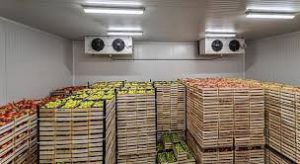
Cold storage facilities enable better control over supply timing. Instead of flooding the market immediately after harvest, producers can store goods and release them gradually. This supply regulation helps stabilize prices, reducing volatility that often harms farmers’ incomes.
Additionally, cold storage opens access to distant markets. Perishable products can be transported over long distances without quality degradation, allowing farmers to tap into urban centers, export markets, and international supply chains, boosting overall agricultural trade.
Improved Product Quality and Value Addition
Maintaining quality is essential for fetching premium prices. Cold storage helps preserve the texture, flavor, and nutritional content of agricultural produce, making products more attractive to consumers and retailers.
Moreover, cold storage supports value addition processes such as packaging, grading, and processing, which can take place without risking spoilage. This creates opportunities for small and medium enterprises (SMEs) to develop agro-processing industries, creating jobs and contributing to rural development.
Challenges in Developing Cold Storage Infrastructure
Despite its clear economic benefits, developing and maintaining cold storage infrastructure faces several hurdles, particularly in low-income and rural regions.
High Capital and Operational Costs
Cold storage facilities require significant initial investment in construction, refrigeration technology, and power supply systems. Additionally, operational costs, especially energy consumption, can be prohibitively expensive. Many farmers and cooperatives lack access to affordable financing options to invest in such infrastructure.
Energy Supply and Sustainability Concerns
Cold storage operations depend heavily on reliable electricity. In many rural areas, power supply is inconsistent or unavailable, limiting the feasibility of cold storage solutions. Moreover, traditional refrigeration systems often use energy-intensive and environmentally harmful refrigerants.
Recent trends focus on sustainable solutions, including solar-powered cold storage and eco-friendly refrigerants, but these technologies require further investment and innovation to become widespread.
Logistics and Supply Chain Integration
Effective cold storage requires seamless integration with transportation and distribution networks. Poor rural infrastructure, including roads and transport services, undermines the benefits of cold storage by causing delays and quality degradation during transit.
Developing a cold chain — a temperature-controlled supply chain from farm to market — is essential but complex and requires coordinated efforts among multiple stakeholders.
Case Studies: Economic Impact of Cold Storage Investments
Several countries and regions have demonstrated the transformative economic impact of cold storage infrastructure in agriculture.
India: Reducing Wastage and Increasing Farmer Incomes
India faces one of the highest rates of post-harvest losses globally, especially in fruits and vegetables. The government and private sector investments in cold storage facilities have helped reduce wastage and improve market prices. For example, the introduction of solar-powered cold storage units in rural areas has enabled smallholder farmers to store their produce longer and access better markets, increasing their incomes by 20-30%.
Kenya: Enabling Export Competitiveness
In Kenya, cold storage has played a critical role in boosting horticultural exports. By preserving the freshness of flowers, fruits, and vegetables, cold storage facilities have enabled Kenyan farmers to meet stringent international quality standards. This has expanded export markets, increased foreign exchange earnings, and generated employment in rural areas.
The Future of Cold Storage in Agriculture
As global demand for fresh and high-quality agricultural products grows, the importance of cold storage infrastructure will only increase.
Technological Innovations
Emerging technologies such as IoT-based temperature monitoring, automated storage systems, and renewable energy-powered refrigeration are revolutionizing cold storage. These innovations are making facilities more efficient, affordable, and environmentally friendly.
Policy and Financial Support
Governments and international organizations are recognizing the need to support cold storage infrastructure through subsidies, low-interest loans, and capacity-building programs. Public-private partnerships are vital to scaling up investments and ensuring equitable access to cold storage facilities for smallholder farmers.
Integration with Digital Agriculture
Digital platforms that provide real-time market information, demand forecasting, and logistics coordination can enhance the effectiveness of cold storage. By aligning storage with market dynamics, farmers can maximize profits and reduce waste.
Conclusion
The economic impact of cold storage infrastructure in agriculture is profound, touching every part of the supply chain from farm to consumer. By reducing losses, stabilizing prices, improving product quality, and opening new markets, cold storage facilities enhance agricultural productivity and rural livelihoods. Despite challenges related to costs and infrastructure, ongoing innovations and policy support hold promise for expanding cold storage capacity worldwide, ensuring a more sustainable and profitable agricultural economy.
Recent Comments