
Cold Room Support Frames: What to Know
Cold rooms are a vital component in industries like food processing, pharmaceuticals, and chemical storage, where maintaining a controlled low-temperature environment is essential. While refrigeration units and insulation panels are often highlighted, the structural backbone of any cold room—the support frame—plays a critical role in ensuring safety, durability, and efficiency. Understanding cold room support frames, from materials to installation and maintenance, is crucial for facility managers and engineers.
What Are Cold Room Support Frames?
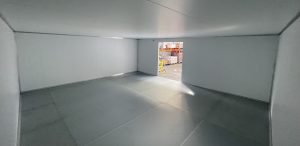
Cold room support frames are the structural frameworks that hold up the walls, ceiling panels, doors, and sometimes even the refrigeration units of a cold storage room. They act as the skeleton, distributing loads evenly and maintaining the integrity of the room despite environmental stresses, including extreme cold, humidity, and heavy shelving.
Functions of Support Frames
Support frames serve several key functions:
Structural Stability: They prevent walls and panels from sagging, bowing, or collapsing under load.
Load Distribution: Frames evenly distribute the weight of shelving, stored goods, and refrigeration equipment.
Thermal Support: Frames help maintain consistent spacing between insulation panels, which is critical for energy efficiency.
Safety: Properly designed frames reduce the risk of structural failure, protecting both workers and stored goods.
Components of a Cold Room Support Frame
A typical cold room support frame consists of:
Vertical Posts: These bear most of the weight and are typically anchored to the floor.
Horizontal Beams: Connect vertical posts and support wall and ceiling panels.
Bracing: Diagonal or cross bracing adds stability against lateral forces.
Anchoring Systems: Bolts or specialized fasteners secure the frame to the floor, walls, or roof, preventing movement due to thermal expansion or seismic activity.
Materials Used for Cold Room Support Frames
Selecting the right material is critical for the durability and performance of cold room frames. The material must withstand low temperatures, high humidity, and potential chemical exposure while supporting heavy loads.
Stainless Steel
Stainless steel is the gold standard for cold room frames, particularly in food and pharmaceutical facilities:
Corrosion Resistance: Stainless steel does not rust in humid or wet environments.
Strength: It maintains structural integrity at low temperatures and under heavy loads.
Hygienic Properties: Stainless steel is easy to clean and non-porous, reducing the risk of contamination.
Longevity: Requires minimal maintenance, making it cost-effective over time.
Drawbacks: High initial cost and heavier weight compared to other materials.
Galvanized Steel
Galvanized steel is another popular option:
Affordability: More cost-effective than stainless steel while offering reasonable durability.
Corrosion Protection: Zinc coating helps resist rust and moisture.
Strength: Suitable for heavy-duty racks and shelving.
Drawbacks: Zinc coating can wear off, especially with scratches or chemical exposure. Not ideal for highly hygienic applications.
Aluminum
Aluminum frames are lightweight and resistant to corrosion:
Lightweight: Easier to transport and install.
Natural Corrosion Resistance: Forms a protective oxide layer, reducing rust concerns.
Energy Efficiency: Lower mass reduces thermal bridging.
Drawbacks: Lower load-bearing capacity compared to steel and higher material cost than galvanized steel.
Fiberglass Reinforced Plastic (FRP)
FRP is a composite material increasingly used in specialized cold storage settings:
Non-Corrosive: Immune to rust, moisture, and chemical damage.
Electrical Safety: Non-conductive, suitable for cold rooms with electrical equipment.
Thermal Performance: Reduces heat transfer, helping maintain consistent temperatures.
Drawbacks: Lower structural strength; thicker framing may be needed for heavy loads.
Design Considerations for Cold Room Support Frames
Proper design ensures that support frames perform safely and efficiently in cold environments.
Load Requirements
Frames must be engineered to support:
Wall and ceiling panels.
Refrigeration equipment.
Storage racks and goods.
Accurate load calculations prevent bending, warping, or collapse. Safety factors are typically included to account for unexpected loads or uneven weight distribution.
Environmental Conditions
Cold rooms often operate at temperatures from -40°C to +10°C. Materials and designs must account for:
Thermal Expansion/Contraction: Metals contract in cold conditions; joints and fasteners must accommodate movement.
Condensation: High humidity can accelerate corrosion if materials are not properly chosen.
Space and Accessibility
The frame should allow:
Easy installation of insulation panels.
Proper routing for electrical and refrigeration lines.
Accessibility for maintenance and inspection.
Installation Best Practices
Correct installation is as important as material selection.
Proper Anchoring
Frames must be securely anchored to floors and walls. This prevents shifting caused by thermal contraction or operational loads. Anchor bolts should be corrosion-resistant.
Alignment and Leveling
Frames should be perfectly aligned and leveled. Misalignment can cause panel gaps, compromising insulation and energy efficiency.
Panel Integration
Frames should allow panels to fit snugly without forcing or bending them. This ensures airtight seals and prevents temperature fluctuations.
Professional Installation
Cold room frames are complex structures. Professional installation ensures safety, adherence to load specifications, and compliance with building codes.
Maintenance and Inspection
Even the best-designed frames require periodic inspection to maintain performance.
Visual Inspections
Check for:
Signs of corrosion or rust.
Loose or missing bolts and fasteners.
Panel misalignment or sagging.
Cleaning
Frames, especially in food and pharmaceutical cold rooms, should be cleaned regularly. Stainless steel is easiest to maintain, while galvanized steel may require protective coatings.
Repair and Replacement
Promptly repair or replace any damaged components. Neglecting structural damage can lead to panel failure, product loss, or safety hazards.
Conclusion
Cold room support frames are a foundational element of any cold storage facility, ensuring structural stability, load management, and long-term performance. Choosing the right material—stainless steel, galvanized steel, aluminum, or FRP—depends on the application, budget, environmental conditions, and hygiene requirements. Proper design, professional installation, and regular maintenance are equally essential to maximize the lifespan and efficiency of cold rooms. By understanding the critical role of support frames, businesses can safeguard their products, maintain operational safety, and ensure consistent performance in low-temperature environments.
Recent Comments