
Cold Room Curtains Explained: Types, Benefits, and Uses
Cold storage environments are essential in industries where temperature control directly affects product quality, safety, and shelf life. From food processing and pharmaceuticals to logistics and retail distribution, maintaining a stable cold environment is critical. However, frequent movement of people, goods, and equipment can disrupt internal temperatures and increase operational costs.
Cold room curtains are a simple yet highly effective solution designed to address these challenges. They act as flexible barriers that reduce air exchange, improve energy efficiency, and support smoother workflow operations. This article explains cold room curtains in detail, including their types, benefits, and uses across different industries.
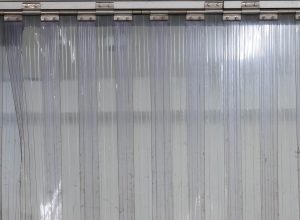
What Are Cold Room Curtains?
Cold room curtains are flexible barrier systems installed at entry points of refrigerated or temperature-controlled spaces. They are typically made from PVC strips or insulated materials that hang vertically and overlap slightly to form a semi-sealed partition.
How Cold Room Curtains Work
The main function of cold room curtains is to reduce the exchange of air between two environments. When someone walks through or equipment passes, the strips part temporarily and then return to their original position due to gravity and material flexibility.
This design allows continuous movement while minimizing heat infiltration and cold air loss. Unlike solid doors, cold room curtains do not require opening or closing mechanisms, making them ideal for high-traffic environments.
Where They Are Used
Cold room curtains are commonly used in freezer rooms, walk-in coolers, refrigerated warehouses, loading docks, food processing plants, and pharmaceutical storage facilities. They are especially useful in areas where maintaining temperature consistency is critical despite frequent access.
Types of Cold Room Curtains
There are several types of cold room curtains, each designed for specific temperature ranges and operational needs.
PVC Strip Curtains
PVC strip curtains are the most widely used type in cold storage environments. They consist of overlapping flexible plastic strips that create a barrier while still allowing easy passage.
These curtains are cost-effective, easy to install, and suitable for general refrigeration applications. They are often used in food storage, supermarkets, and distribution centers.
Polar Grade Curtains
Polar grade curtains are specially designed for extremely low temperatures, often down to sub-zero conditions. They remain flexible in freezing environments, making them ideal for deep-freeze rooms and cold chain logistics operations.
These curtains are commonly used in industries that store frozen food or temperature-sensitive pharmaceuticals.
Insulated Thermal Curtains
Insulated curtains provide a higher level of temperature protection compared to standard PVC strips. They are made using layered materials that reduce heat transfer more effectively.
These curtains are used in environments where strict temperature control is required, such as pharmaceutical storage and high-value food preservation.
Heavy-Duty Curtains
Heavy-duty cold room curtains are designed for high-traffic areas where forklifts, pallets, and large equipment frequently pass through. They are thicker and more durable, offering increased resistance to wear and tear.
These are commonly installed in industrial warehouses and logistics hubs.
Benefits of Cold Room Curtains
Cold room curtains provide a wide range of operational, financial, and environmental benefits.
Improved Temperature Control
One of the primary benefits of cold room curtains is improved temperature stability. By reducing air exchange between the cold room and external environments, they help maintain consistent internal conditions.
This is crucial for preserving perishable goods and ensuring product quality.
Energy Efficiency and Cost Savings
Refrigeration systems consume significant amounts of energy, especially when they must compensate for heat infiltration. Cold room curtains reduce this workload by limiting temperature fluctuations.
As a result, compressors run less frequently, leading to lower electricity consumption and reduced operational costs.
Enhanced Workflow Efficiency
Unlike solid doors, cold room curtains allow continuous access without delays. Workers and machinery can move freely, improving productivity and reducing bottlenecks in busy environments.
This is especially important in fast-paced logistics and food distribution operations.
Reduced Equipment Wear and Tear
By stabilizing internal temperatures, cold room curtains reduce strain on refrigeration systems. This leads to fewer breakdowns, lower maintenance costs, and longer equipment lifespan.
Better Hygiene and Contamination Control
Cold room curtains act as a barrier against dust, insects, and airborne particles. This helps maintain cleaner environments and reduces the risk of contamination, especially in food and pharmaceutical industries.
Compliance with Safety Standards
Many industries must comply with strict hygiene and temperature control regulations. Cold room curtains support compliance by helping maintain stable and controlled environments.
Uses of Cold Room Curtains Across Industries
Cold room curtains are used across a wide range of industries where temperature control is essential.
Food Processing and Storage
In the food industry, cold room curtains help preserve freshness and prevent spoilage. They are used in meat processing plants, dairy storage facilities, seafood warehouses, and frozen food distribution centers.
They also help separate raw and cooked food areas, reducing the risk of cross-contamination.
Pharmaceutical Industry
Pharmaceutical products such as vaccines, medicines, and biological samples require strict temperature control. Cold room curtains help maintain stable conditions and ensure product integrity.
Even small temperature fluctuations can affect drug effectiveness, making curtains an essential part of pharmaceutical storage systems.
Logistics and Warehousing
Cold chain logistics rely heavily on maintaining consistent temperatures throughout storage and transport. Cold room curtains help reduce temperature loss during loading and unloading operations.
They are commonly used in refrigerated warehouses and distribution centers.
Supermarkets and Retail Storage
Supermarkets use cold room curtains in walk-in freezers and refrigerated storage areas. They help maintain product quality while allowing staff to quickly access inventory.
This improves both operational efficiency and energy savings.
Agriculture and Fresh Produce Storage
Cold room curtains are used to store fruits, vegetables, and other agricultural products. They help extend shelf life by maintaining optimal humidity and temperature conditions.
Key Considerations When Choosing Cold Room Curtains
Selecting the right cold room curtains depends on several factors.
Temperature Requirements
Different environments require different levels of insulation. Freezer rooms need polar grade or insulated curtains, while standard refrigeration may only require PVC strip curtains.
Traffic Levels
High-traffic areas require durable curtains that can withstand frequent use, such as heavy-duty PVC systems.
Type of Stored Goods
The sensitivity of stored products determines the level of temperature control needed. Pharmaceuticals require stricter conditions than general food storage.
Facility Layout
The design and size of entry points also influence curtain selection. Larger openings may require reinforced or overlapping systems for better coverage.
Conclusion
Cold room curtains are an essential component of modern temperature-controlled environments. They provide a simple yet highly effective solution for improving temperature stability, reducing energy consumption, and enhancing operational efficiency.
With various types available—ranging from standard PVC strip curtains to insulated and heavy-duty options—businesses can choose solutions tailored to their specific needs. Whether in food storage, pharmaceuticals, logistics, or retail, cold room curtains play a vital role in maintaining product quality and ensuring efficient cold chain operations.
In today’s competitive and energy-conscious industries, cold room curtains are not just an accessory—they are a necessity for efficient and reliable cold storage management.
Recent Comments