
Reducing Cold Chain Losses with Inflatable Dock Seals
Cold chain logistics is one of the most sensitive and tightly controlled systems in modern supply chains. It ensures that temperature-sensitive products such as food, pharmaceuticals, and biological materials remain within strict temperature ranges from origin to destination. However, one of the most vulnerable points in this chain is the loading dock. Every time a refrigerated truck connects with a warehouse, there is potential for temperature loss, contamination, and product degradation.
Inflatable dock seals have emerged as a highly effective solution for reducing these cold chain losses. By creating a tight, adaptable barrier between trailers and facilities, they help maintain temperature stability, reduce energy waste, and protect product integrity.
Understanding Cold Chain Losses and Their Impact
Cold chain losses refer to any compromise in temperature-controlled environments that results in product quality degradation, spoilage, or inefficiency. These losses can occur at multiple points in the supply chain, but loading docks are particularly high-risk zones.
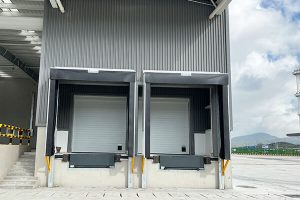
Why Loading Docks Are Vulnerable
Loading docks are dynamic environments where doors are frequently opened and closed. Trucks of varying sizes and conditions back into bays, often leaving gaps between the trailer and building. These gaps allow warm air to enter and cold air to escape almost instantly.
Even brief exposure can disrupt internal temperatures, especially in sensitive environments like frozen food storage or pharmaceutical distribution. Without proper sealing, these temperature fluctuations accumulate over time and significantly impact product quality.
The Financial Cost of Temperature Instability
Cold chain losses are not just operational inconveniences—they are expensive. Spoiled goods, increased energy consumption, and regulatory penalties all contribute to financial strain. Facilities may also face reputational damage if products arrive at their destination compromised.
Reducing these losses requires more than just efficient refrigeration systems; it requires controlling the interface between trucks and warehouses.
How Inflatable Dock Seals Work
Inflatable dock seals are engineered systems designed to create a flexible, airtight seal between a trailer and a loading dock. Unlike traditional foam seals, they use air pressure to expand and conform tightly around the vehicle.
Inflation and Sealing Mechanism
When a truck is positioned at the dock, sensors or manual controls activate the inflation system. Air chambers inside the dock seal expand outward, pressing against the sides and top of the trailer. This forms a near-complete enclosure around the dock opening.
Once loading or unloading is complete, the air is released, and the seal retracts to its resting position, allowing the vehicle to depart safely.
Adaptability to Different Trailer Sizes
One of the biggest advantages of inflatable dock seals is their ability to adapt to varying trailer dimensions. In real-world logistics, trailers are rarely uniform. Differences in height, width, and parking precision can create gaps in traditional sealing systems. Inflatable designs eliminate this issue by adjusting in real time to the trailer’s shape.
Preventing Temperature Loss at the Dock
The primary benefit of inflatable dock seals is their ability to minimize air exchange between controlled and external environments. This is critical in reducing cold chain losses.
Creating a Thermal Barrier
When fully inflated, dock seals create a compressed barrier around the trailer that significantly reduces air infiltration. This helps maintain stable internal temperatures inside the warehouse, even during extended loading operations.
By limiting the entry of warm air, refrigeration systems do not need to work as hard to restore optimal conditions. This reduces energy consumption and improves system efficiency.
Reducing Door Open Time Impact
Every second a dock door remains open increases the risk of temperature deviation. Inflatable dock seals help mitigate this impact by sealing the remaining gaps between the truck and dock, effectively narrowing the exposure zone.
Even in high-volume facilities where doors are frequently open, the cumulative effect of reduced air exchange is significant.
Improving Cold Chain Efficiency Across Operations
Beyond temperature control, inflatable dock seals contribute to broader operational improvements that indirectly reduce cold chain losses.
Faster Loading and Unloading Processes
Efficient sealing systems allow workers to focus on loading tasks without worrying about environmental exposure. Because inflatable dock seals automatically adjust and maintain contact with trailers, there is less need for manual adjustments or repositioning.
This streamlining of dock operations helps reduce loading times, minimizing the duration of temperature exposure.
Enhanced Energy Efficiency
Refrigeration systems consume large amounts of energy in cold storage environments. When warm air infiltrates loading docks, these systems must work harder to restore set temperatures.
By reducing air leakage, inflatable dock seals lower the demand on refrigeration equipment, resulting in significant energy savings over time.
Reduced Equipment Strain
Less frequent temperature fluctuations also reduce strain on HVAC and refrigeration systems. This leads to fewer breakdowns, lower maintenance costs, and extended equipment lifespan—all of which contribute to improved operational reliability.
Protecting Product Integrity in Cold Chain Logistics
Maintaining product quality is the ultimate goal of any cold chain system. Inflatable dock seals play a direct role in ensuring that goods remain within safe temperature thresholds.
Food Safety and Spoilage Prevention
Perishable foods such as meat, dairy, and frozen products are highly sensitive to temperature changes. Even slight deviations can accelerate spoilage or encourage bacterial growth. By stabilizing dock environments, inflatable seals reduce the risk of contamination and waste.
Pharmaceutical Stability
Pharmaceutical products require extremely precise temperature control. Vaccines, biologics, and other medications can lose efficacy if exposed to heat or temperature fluctuations. Inflatable dock seals help ensure compliance with strict storage guidelines by maintaining stable conditions during handling.
Reducing Moisture, Contamination, and External Exposure
Cold chain losses are not always caused by temperature alone. Moisture and airborne contaminants also play a significant role in product degradation.
Minimizing Humidity Infiltration
When warm, humid air enters cold environments, condensation can form on products and surfaces. This can lead to packaging damage, labeling issues, and microbial growth. Inflatable dock seals reduce humidity infiltration by limiting air exchange at the dock.
Preventing Dust and Contaminant Entry
Open dock doors can allow dust, insects, and other contaminants into controlled environments. Inflatable seals create a tighter barrier, helping maintain cleaner storage conditions and reducing the risk of contamination events.
Operational and Financial Benefits
The implementation of inflatable dock seals provides both immediate and long-term benefits for cold chain operators.
Lower Energy Costs
Reduced air exchange leads directly to lower energy consumption. Facilities experience fewer spikes in refrigeration demand, which translates into reduced utility bills.
Reduced Product Waste
By maintaining more stable temperatures, inflatable dock seals help reduce spoilage and product rejection rates. This has a direct impact on profitability, especially in high-volume distribution environments.
Improved Compliance and Risk Management
Many industries require strict adherence to temperature control standards. Inflatable dock seals support compliance with regulatory frameworks, reducing the risk of fines, audits, or legal issues.
Implementing Inflatable Dock Seals in Cold Storage Facilities
Adopting inflatable dock seals requires consideration of facility design, traffic flow, and operational needs.
Assessing Dock Usage Patterns
Facilities should evaluate how frequently docks are used and what types of vehicles are serviced. High-traffic environments benefit most from automated, durable sealing systems.
Integration with Existing Infrastructure
Inflatable dock seals can often be integrated into existing loading dock structures without major modifications. However, proper installation is essential to ensure optimal performance.
Maintenance and Monitoring
Routine inspections and maintenance ensure long-term reliability. Most systems require minimal upkeep, but regular checks help maintain air pressure efficiency and detect wear early.
Conclusion
Reducing cold chain losses is essential for maintaining product quality, controlling costs, and ensuring regulatory compliance in temperature-sensitive industries. Inflatable dock seals provide a highly effective solution by minimizing air exchange, stabilizing dock environments, and protecting the integrity of stored goods.
From improving energy efficiency to preventing spoilage and contamination, these systems play a crucial role in modern cold storage operations. For any facility seeking to strengthen its cold chain performance, inflatable dock seals are not just an operational upgrade—they are a strategic necessity.
Recent Comments