
How to Install Cold Storage Plastic Curtains Properly
Cold storage plastic curtains are one of the most practical and cost-effective solutions for maintaining temperature control in refrigerated environments. They help reduce energy loss, prevent contamination, and allow easy movement of staff, trolleys, and forklifts without fully opening insulated doors. However, their effectiveness depends heavily on proper installation. Poor installation can lead to gaps, reduced insulation efficiency, and premature wear.
This guide explains how to install cold storage plastic curtains properly, step by step, including preparation, mounting, alignment, and final checks to ensure maximum performance.
Understanding Cold Storage Plastic Curtains
Before installation, it is important to understand what cold storage plastic curtains are and why they are used.
What They Are
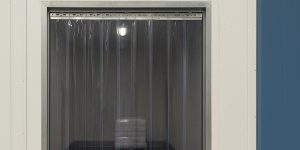
Cold storage plastic curtains, also known as PVC strip curtains, are made of overlapping flexible PVC strips suspended from a mounting rail. These strips create a barrier that allows passage while minimizing air exchange between cold and warm environments.
Where They Are Used
They are commonly installed in:
Refrigerated warehouses
Freezer rooms
Food processing plants
Supermarkets and cold rooms
Pharmaceutical storage facilities
Why Proper Installation Matters
A poorly installed curtain system can cause:
Temperature leakage
Increased energy consumption
Frost and condensation issues
Reduced product shelf life
Safety hazards in high-traffic areas
Proper installation ensures the strips overlap correctly and maintain a consistent thermal barrier.
Tools and Materials Required
Before starting installation, gather all necessary tools and materials.
Essential Tools
Drill and drill bits
Screwdriver set
Measuring tape
Spirit level
Ladder or step stool
Pencil or marking tool
Installation Components
PVC strip curtain kit (pre-cut or roll)
Mounting rail or stainless steel track
Hanging brackets or hooks
Screws and wall plugs
Scissors or utility knife (if trimming is needed)
Make sure all components are suitable for cold storage environments, especially in low-temperature or freezer-grade applications.
Step 1: Measure the Door Opening Accurately
Accurate measurements are critical for a proper fit.
Measure Width and Height
Use a measuring tape to determine:
Width of the doorway from inside edge to inside edge
Height from the top of the door frame to the floor or threshold
If the floor is uneven or if forklifts pass through, measure at multiple points.
Allow for Overlap
PVC strips are designed to overlap. Ensure the curtain width extends slightly beyond the doorway edges (usually 2–5 cm on each side) to prevent air leakage.
Step 2: Choose the Correct Mounting Position
The placement of the mounting rail affects both performance and usability.
Above the Door Frame
Most installations position the mounting rail directly above the door opening. This ensures:
Maximum coverage
Smooth vertical strip hanging
Minimal obstruction to traffic
Internal vs External Mounting
Internal mounting: Better for cold rooms to retain temperature
External mounting: Used when internal space is limited
Ensure there is enough clearance for strips to hang freely without obstruction.
Step 3: Install the Mounting Rail
The mounting rail is the structural base of the curtain system.
Mark Drill Points
Hold the rail in position and use a pencil to mark drill holes. Use a spirit level to ensure the rail is perfectly straight.
Drill and Fix the Rail
Drill holes into the marked positions
Insert wall plugs if required
Secure the rail using screws or bolts
Ensure the rail is tightly fixed, as it must support the full weight of the PVC strips.
Step 4: Prepare the PVC Strips
PVC strips may come pre-cut or in rolls.
Check Strip Thickness
Different applications require different thickness levels:
Light traffic: thinner strips
Forklift traffic: thicker heavy-duty strips
Freezer environments: low-temperature flexible PVC
Arrange Overlapping Order
Most systems use alternating strip overlaps:
Each strip overlaps the next by a set percentage
This ensures minimal air exchange while allowing movement
Lay the strips out before hanging to confirm correct sequence.
Step 5: Attach the PVC Strips to the Rail
This is the most important part of the installation process.
Insert Hanging Hardware
Most systems use:
Hook-on plates
Clip-in hangers
Sliding carriers
Attach each strip securely to the corresponding hardware.
Maintain Correct Overlap
Ensure:
Each strip overlaps the adjacent strip evenly
There are no large gaps between strips
Strips hang straight without twisting
Incorrect overlap is one of the most common installation mistakes and can significantly reduce insulation performance.
Step 6: Align and Adjust the Strips
Once all strips are installed, adjustments are necessary.
Straighten the Strips
Allow the strips to hang naturally and check:
Vertical alignment
Even spacing
Proper floor contact (or slight clearance for high-traffic areas)
If strips are twisted, remove and reattach them.
Check Floor Clearance
Depending on the application:
Freezer rooms may require slight floor sealing
Warehouses may need a small gap for forklifts
Too much contact with the floor can cause drag and damage.
Step 7: Test the Curtain System
Testing ensures everything functions as intended.
Walkthrough Test
Walk through the curtain several times:
Check ease of entry and exit
Observe how strips return to position
Ensure no excessive resistance
Airflow and Temperature Check
After installation:
Monitor temperature stability in the cold storage area
Check for drafts near the curtain edges
Inspect for condensation or frost buildup
If issues occur, recheck alignment and overlap.
Step 8: Final Safety and Maintenance Checks
Proper installation includes planning for long-term use.
Inspect Fasteners
Ensure all screws, bolts, and brackets are tightly secured. Loose fittings can lead to curtain failure over time.
Regular Maintenance Plan
To extend lifespan:
Clean strips regularly to prevent buildup
Check for cracks or stiffness in PVC material
Replace damaged strips immediately
Re-tighten mounting hardware periodically
Common Installation Mistakes to Avoid
Even experienced installers can make errors. Avoid these common issues:
Incorrect Measurement
Failing to measure accurately leads to gaps and poor insulation.
Poor Strip Overlap
Insufficient overlap reduces temperature control efficiency.
Weak Mounting Installation
A poorly fixed rail may collapse under weight or vibration.
Using Wrong Strip Type
Using standard PVC in freezer environments can cause brittleness and cracking.
Conclusion
Installing cold storage plastic curtains properly is essential for maintaining energy efficiency, hygiene, and temperature stability in refrigerated environments. While the installation process is straightforward, attention to detail—especially in measurement, rail alignment, and strip overlap—makes a significant difference in performance.
When installed correctly, PVC strip curtains can dramatically reduce energy costs, improve workflow efficiency, and extend the lifespan of cold storage systems. Regular maintenance and periodic inspection will ensure they continue performing effectively for years to come.
Recent Comments