
How Automation Is Transforming Cold Storage Facilities
Cold storage facilities have always played a critical role in protecting temperature-sensitive products, including food, pharmaceuticals, and other perishable goods. However, as supply chains become more complex and customer expectations continue to rise, traditional cold storage operations are facing increasing pressure to become faster, more accurate, and more efficient. Automation is emerging as one of the most significant changes reshaping the industry.
Modern cold storage facilities are no longer just large refrigerated warehouses filled with shelves and forklifts. They are becoming highly connected, technology-driven environments where robotics, artificial intelligence, automated storage systems, and smart monitoring tools work together to improve performance. Automation is helping businesses reduce costs, increase safety, minimize waste, and maintain better control over their operations.
The Growing Need for Automation in Cold Storage
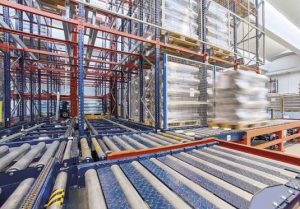
Cold storage operations present unique challenges compared to traditional warehouses. Employees often work in extremely cold environments, equipment must operate reliably under demanding conditions, and products must be handled carefully to maintain quality and safety standards.
Labor shortages, rising energy costs, and growing demand for faster order fulfillment have made automation a practical solution for many cold storage operators. Manual processes can be time-consuming and more vulnerable to errors, especially when facilities handle thousands of products every day.
Automation allows cold storage businesses to streamline repetitive tasks, improve inventory accuracy, and maintain consistent operating standards. By using advanced technology, companies can increase productivity while reducing the physical demands placed on workers.
Automated Storage and Retrieval Systems Improve Efficiency
Faster Product Movement and Better Space Utilization
One of the biggest advancements in cold storage automation is the use of automated storage and retrieval systems (AS/RS). These systems use computer-controlled machines to store and retrieve products without requiring employees to manually move inventory throughout the facility.
Traditional warehouses often require wide aisles to accommodate forklifts and workers. Automated systems can operate in narrower spaces and use vertical storage more effectively, allowing businesses to maximize available warehouse capacity.
This improved space utilization is especially valuable in cold storage facilities because refrigeration costs are high. By storing more products in the same footprint, companies can reduce the cost per unit of stored inventory while making better use of their refrigerated space.
Improved Inventory Accuracy
Inventory management is a major challenge in cold storage environments. Products may have specific expiration dates, temperature requirements, and handling instructions. Manual tracking can increase the risk of mistakes that lead to product loss or compliance issues.
Automated inventory systems use sensors, software, and real-time data tracking to monitor product locations and quantities. Employees can quickly identify where items are stored, how long they have been in the facility, and when they need to be shipped.
This level of visibility helps businesses reduce waste, improve order accuracy, and maintain better control over their supply chain.
Robotics Are Changing Cold Storage Operations
Automated Picking and Packing
Robotics are becoming increasingly common in cold storage facilities, particularly for picking, sorting, and packing operations. Robotic systems can move products efficiently while maintaining consistent performance throughout the day.
In freezer environments where temperatures can be uncomfortable or unsafe for extended periods, robots can handle repetitive tasks that would otherwise require employees to spend long hours in harsh conditions. This improves workplace safety while allowing human workers to focus on more complex responsibilities.
Robotic picking systems can also improve order accuracy by using sensors and software to identify products precisely. This is especially important for industries such as food distribution and pharmaceuticals, where incorrect shipments can create significant financial and safety concerns.
Autonomous Mobile Robots
Autonomous mobile robots (AMRs) are another technology transforming cold storage facilities. These robots can navigate warehouse spaces independently, transporting products between storage areas, loading zones, and processing stations.
Unlike traditional equipment that requires constant human operation, autonomous robots use cameras, sensors, and mapping technology to move safely around the facility. They can adjust their routes, avoid obstacles, and support continuous workflow improvements.
Smart Monitoring Systems Enhance Temperature Control
Maintaining precise temperatures is one of the most important responsibilities of any cold storage facility. Even small temperature fluctuations can damage products, create safety concerns, and result in costly losses.
Automation has improved temperature monitoring through smart sensors and connected systems. These technologies provide real-time information about conditions throughout the facility, allowing operators to identify problems before they become major issues.
Automated alerts can notify facility managers when temperatures move outside acceptable ranges. This allows teams to respond quickly and prevent spoilage or equipment damage.
Smart monitoring also creates valuable data that businesses can analyze to improve refrigeration performance, reduce energy consumption, and identify opportunities for operational improvements.
Artificial Intelligence and Data Analytics Drive Better Decisions
Artificial intelligence (AI) is helping cold storage operators make more informed decisions by analyzing large amounts of operational data. AI-powered systems can identify patterns, predict equipment problems, and recommend improvements.
For example, predictive maintenance technology can monitor refrigeration equipment and detect early warning signs of failure. Instead of waiting for equipment to break down, maintenance teams can address issues before they cause expensive disruptions.
AI can also improve demand forecasting by analyzing customer trends, seasonal changes, and inventory patterns. Better forecasting helps businesses manage stock levels more effectively and reduce unnecessary waste.
The Impact of Automation on Energy Efficiency
Energy consumption is one of the largest expenses associated with cold storage operations. Refrigeration systems must operate continuously, making efficiency a top priority.
Automation helps reduce energy usage by optimizing refrigeration systems, monitoring temperatures more accurately, and identifying inefficient processes. Smart controls can adjust equipment performance based on real-time conditions, preventing unnecessary energy consumption.
Automated lighting systems, efficient equipment scheduling, and data-driven energy management strategies can further reduce operating costs. These improvements not only benefit businesses financially but also support sustainability goals.
Improving Worker Safety and Productivity
Automation is not designed to replace every human role in cold storage facilities. Instead, it is changing how employees work by removing many physically demanding and repetitive tasks.
Workers can focus on areas that require decision-making, problem-solving, and specialized knowledge. Automation also reduces exposure to extreme temperatures, heavy lifting, and potentially hazardous warehouse activities.
With fewer manual tasks to complete, employees can become more productive and contribute to smoother overall operations.
The Future of Automated Cold Storage Facilities
The future of cold storage will likely involve even greater levels of connectivity and intelligence. As technology continues to develop, facilities will become more automated, adaptive, and efficient.
Advancements in robotics, artificial intelligence, machine learning, and smart infrastructure will allow cold storage operators to respond faster to changing market demands. Fully integrated facilities may eventually manage inventory, equipment, energy use, and shipping processes with minimal human intervention.
Businesses that adopt automation early will be better positioned to compete in an industry where speed, accuracy, and reliability are becoming increasingly important.
Conclusion
Automation is transforming cold storage facilities by improving efficiency, increasing accuracy, reducing costs, and creating safer working environments. From automated storage systems and robotics to smart temperature monitoring and artificial intelligence, technology is helping cold storage operations become more advanced than ever before.
As customer expectations and supply chain challenges continue to evolve, automation will remain a key factor in building resilient and efficient cold storage facilities. Companies that embrace these innovations can improve their operations while delivering higher-quality service in an increasingly competitive marketplace.
Recent Comments