
How IoT Improves Cold Storage Monitoring
Cold storage plays a vital role in preserving temperature-sensitive products across industries such as food and beverage, pharmaceuticals, healthcare, agriculture, and biotechnology. Maintaining precise temperatures throughout storage and transportation is essential for ensuring product quality, meeting regulatory requirements, and reducing waste. However, traditional monitoring methods that rely on manual checks and paper-based records are no longer sufficient in today’s fast-paced supply chains. How IoT Improves Cold Storage Monitoring
The Internet of Things (IoT) has transformed the way cold storage facilities operate by enabling real-time monitoring, automated alerts, and data-driven decision-making. IoT technology connects sensors, devices, and software through the internet, allowing businesses to monitor storage conditions continuously and respond quickly to any issues before they lead to costly product losses.
In this article, we’ll explore how IoT improves cold storage monitoring, the technologies involved, the benefits for businesses, and why connected monitoring systems are becoming the industry standard.
What Is IoT?
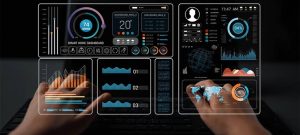
The Internet of Things (IoT) refers to a network of physical devices connected to the internet that collect, transmit, and analyse data automatically. These devices use sensors to monitor environmental conditions and communicate with cloud-based platforms, giving businesses access to real-time information from virtually anywhere.
In cold storage environments, IoT devices monitor critical factors such as:
* Temperature
* Humidity
* Air quality
* Equipment performance
* Door activity
* Energy consumption
* Product location
Instead of relying on periodic manual inspections, businesses receive continuous updates that help maintain optimal storage conditions.
Why Cold Storage Monitoring Matters
Many products stored in refrigerated or frozen environments have strict temperature requirements. Even small fluctuations can affect product safety, quality, and shelf life.
* Fresh fruit and vegetables
* Dairy products
* Frozen meals
* Meat and seafood
* Vaccines
* Blood products
* Medicines
* Laboratory samples
* Floral products
If temperatures rise above or fall below acceptable limits, products may spoil, lose effectiveness, or become unsafe for use.
Effective monitoring helps prevent these issues while supporting compliance with industry regulations.
Real-Time Temperature Monitoring
One of the greatest advantages of IoT is continuous temperature monitoring.
Traditional systems often require employees to manually check thermometers several times each day. Between inspections, temperature problems may go unnoticed for hours.
IoT sensors measure temperatures every few seconds or minutes, depending on system settings, providing an uninterrupted record of storage conditions.
Instant Alerts Reduce Product Loss
If temperatures move outside predefined limits, IoT systems immediately send alerts via:
* SMS
* Email
* Mobile apps
* Computer dashboards
Staff can respond immediately by inspecting refrigeration units, adjusting equipment, or relocating inventory before products become damaged.
This rapid response dramatically reduces spoilage and financial losses.
Humidity Monitoring Protects Sensitive Products
Temperature is only one part of effective cold storage management.
Humidity also affects product quality.
Fresh produce, flowers, pharmaceuticals, and some packaged foods require carefully controlled humidity levels to maintain freshness and prevent damage.
IoT humidity sensors continuously monitor moisture levels and alert staff when adjustments are needed.
Maintaining proper humidity helps prevent:
* Product dehydration
* Condensation
* Mould growth
* Packaging damage
* Reduced shelf life
Cloud-Based Monitoring Provides Complete Visibility
Modern IoT systems typically upload sensor data to secure cloud platforms.
This allows managers to monitor facilities remotely using smartphones, tablets, or computers.
Whether managing one warehouse or multiple cold storage locations, cloud technology provides instant access to live operating conditions.
Benefits include:
* Remote monitoring
* Centralised reporting
* Historical data storage
* Multi-site management
* Faster decision-making
* Improved collaboration
Cloud-based systems eliminate the need for manual logbooks while making information easily accessible.
Predictive Maintenance Prevents Equipment Failures
Refrigeration equipment rarely fails without warning.
IoT sensors can detect subtle changes in equipment performance long before complete breakdowns occur.
Sensors monitor factors including:
* Compressor performance
* Motor vibration
* Power usage
* Refrigerant pressure
* Fan operation
* Internal temperatures
By analysing these readings, maintenance teams can identify developing faults and schedule repairs before equipment fails.
Reducing Unexpected Downtime
Unexpected refrigeration failures can destroy thousands of dollars’ worth of inventory.
Predictive maintenance reduces emergency repairs while extending equipment lifespan and lowering maintenance costs.
Energy Efficiency Through Smart Monitoring
Cold storage facilities consume significant amounts of electricity.
IoT systems help businesses improve energy efficiency by monitoring power consumption alongside refrigeration performance.
Managers can identify:
* Inefficient equipment
* Excessive energy use
* Refrigeration units working harder than necessary
* Poor insulation
* Frequent door openings
These insights help reduce operating costs while supporting environmental sustainability goals.
Door Monitoring Improves Temperature Stability
Every time a cold room door opens, warm air enters the storage area.
Frequent or prolonged door openings can increase internal temperatures and place additional strain on refrigeration systems.
IoT door sensors monitor:
* Opening frequency
* Door open duration
* Unauthorised access
* Doors left open accidentally
Automatic alerts encourage staff to minimise unnecessary door openings and protect temperature stability.
Inventory Tracking with IoT
Many IoT systems integrate with inventory management software.
Combined with RFID tags or barcode technology, businesses can monitor the movement of products throughout storage facilities.
Benefits include:
* Faster inventory counts
* Improved stock accuracy
* Reduced product loss
* Better stock rotation
* Enhanced traceability
This improves warehouse efficiency while ensuring older stock is used before newer inventory.
Improved Regulatory Compliance
Industries handling food, pharmaceuticals, and medical products must comply with strict storage regulations.
Regulators often require documented evidence that products remained within approved temperature ranges throughout storage.
IoT systems automatically record temperature data 24 hours a day.
These digital records simplify compliance by providing:
* Accurate temperature logs
* Historical reports
* Audit-ready documentation
* Automated compliance reports
* Secure data storage
This reduces paperwork while improving confidence during inspections.
Data Analytics Supports Better Decisions
Continuous monitoring generates valuable operational data.
Advanced analytics platforms convert this information into meaningful insights.
Businesses can identify:
* Temperature trends
* Seasonal changes
* Equipment performance patterns
* Energy usage trends
* High-risk storage areas
* Maintenance requirements
These insights help managers optimise operations and improve long-term planning.
Remote Monitoring Supports Faster Response Times
Managers no longer need to be physically present to oversee cold storage operations.
Using mobile apps or web dashboards, authorised users can monitor facilities from virtually anywhere.
If alarms occur overnight, during weekends, or while travelling, managers receive immediate notifications and can coordinate a response quickly.
This significantly reduces the time between identifying a problem and resolving it.
Reducing Food Waste with IoT
Food waste remains one of the biggest challenges in global supply chains.
Poor temperature control is a leading cause of spoilage.
IoT monitoring reduces waste by ensuring refrigeration systems consistently maintain optimal conditions.
Early detection of temperature deviations allows businesses to correct problems before products become unsellable.
This improves profitability while supporting sustainability initiatives.
Strengthening Supply Chain Transparency
Customers increasingly expect visibility into how products are stored and transported.
IoT systems provide transparent records that demonstrate proper temperature management throughout the storage process.
For food manufacturers, supermarkets, healthcare providers, and pharmaceutical companies, this transparency builds trust while supporting product quality assurance.
Some businesses even provide customers with digital temperature reports for added confidence.
Challenges of Implementing IoT Monitoring
Although IoT offers significant advantages, successful implementation requires careful planning.
Businesses should consider:
* Initial equipment investment
* Internet connectivity requirements
* Cybersecurity measures
* Staff training
* System integration
* Ongoing maintenance
Despite these considerations, the long-term savings from reduced waste, improved efficiency, and fewer equipment failures often outweigh implementation costs.
The Future of IoT in Cold Storage
IoT technology continues to evolve rapidly.
Future innovations are expected to include artificial intelligence that predicts refrigeration issues before they occur, blockchain integration for improved supply chain traceability, autonomous warehouse systems, digital twins that simulate facility performance, and increasingly intelligent sensors capable of analysing multiple environmental conditions simultaneously.
As technology becomes more affordable, even smaller cold storage operators will gain access to advanced monitoring capabilities previously reserved for large enterprises.
Conclusion
The Internet of Things is revolutionising cold storage monitoring by providing continuous visibility into temperature, humidity, equipment performance, and inventory conditions. Real-time monitoring, automated alerts, predictive maintenance, cloud-based reporting, and advanced analytics enable businesses to protect temperature-sensitive products while improving operational efficiency.
As industries continue to demand higher standards of product safety, quality, and regulatory compliance, IoT has become an essential tool for modern cold storage operations. Businesses that invest in connected monitoring systems can reduce waste, lower operating costs, improve customer confidence, and create a more reliable, resilient supply chain that is prepared for future challenges.
Recent Comments