
Inside a Modern Cold Storage Facility: How It Really Works
Cold storage facilities are essential parts of today’s global supply chain. From fresh food and frozen products to pharmaceuticals and specialty materials, many industries rely on temperature-controlled environments to preserve quality, safety, and shelf life.
While a cold storage facility may appear to be a simple refrigerated warehouse from the outside, modern facilities use advanced technology, automated systems, and strict processes to maintain precise environmental conditions. Every stage, from receiving products to storing and shipping them, requires careful management.
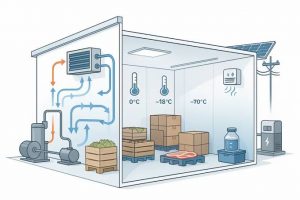
Understanding how a modern cold storage facility works provides insight into the technology and processes that keep temperature-sensitive products safe.
What Is a Modern Cold Storage Facility?
A modern cold storage facility is a specialized warehouse designed to store products at controlled temperatures. Unlike traditional warehouses, these facilities are built with advanced refrigeration systems, insulation materials, monitoring technology, and inventory management solutions.
Cold storage environments are commonly used for industries such as:
- Food and beverage production
- Agriculture and fresh produce distribution
- Pharmaceutical and healthcare supply chains
- Biotechnology and research industries
- Floral and specialty product storage
The primary purpose of a cold storage facility is to slow product deterioration by maintaining the ideal temperature, humidity, and air quality conditions required for each product type.
Different Temperature Zones in Cold Storage Facilities
Modern cold storage warehouses often contain multiple temperature-controlled zones. Different products require different storage conditions, so facilities are designed with separate areas for various temperature requirements.
Common temperature zones include:
- Chilled storage for fresh foods and beverages
- Frozen storage for long-term preservation
- Deep-freeze areas for products requiring extremely low temperatures
- Climate-controlled sections for sensitive materials
Having multiple zones allows businesses to store a wide range of products while maintaining the correct conditions.
The Receiving Process: How Products Enter a Cold Storage Facility
The cold storage process begins when products arrive at the facility. Receiving temperature-sensitive goods requires speed and accuracy because exposure to unsuitable conditions can affect product quality.
When shipments arrive, employees inspect products, check documentation, and verify temperatures before storage.
Temperature Checks and Quality Inspections
Before products are accepted, staff typically perform inspections that include:
- Checking product temperature upon arrival
- Inspecting packaging for damage
- Confirming shipment quantities
- Recording product information in inventory systems
These checks help prevent damaged or improperly stored products from entering the facility.
How Refrigeration Systems Keep Products Cold
The refrigeration system is the core of every cold storage facility. These systems are responsible for removing heat from storage areas and maintaining consistent temperatures.
Modern refrigeration systems use advanced equipment designed for reliability, efficiency, and precise control.
Key Components of a Cold Storage Refrigeration System
A typical refrigeration system includes:
- Compressors that circulate refrigerant
- Evaporators that remove heat from storage areas
- Condensers that release heat outside the facility
- Temperature control systems that regulate conditions
These components work together continuously to maintain stable temperatures, even when outside conditions change.
Energy Efficiency in Modern Refrigeration Systems
Because refrigeration requires significant energy, modern facilities focus heavily on efficiency. Businesses use advanced technologies such as variable-speed compressors, automated controls, and energy monitoring systems to reduce operating costs.
Efficient refrigeration systems help lower energy consumption while maintaining reliable temperature control.
The Role of Insulation and Facility Design
Maintaining cold temperatures requires more than powerful refrigeration equipment. The physical design of a cold storage facility plays a major role in preventing heat transfer.
Walls, floors, ceilings, and doors are constructed using specialized insulation materials that help maintain internal temperatures.
Important Cold Storage Design Features
Modern facilities often include:
- High-performance insulated panels
- Rapid-opening refrigeration doors
- Air circulation systems
- Moisture control solutions
- Temperature-resistant flooring
Proper facility design reduces energy loss and helps refrigeration systems operate more efficiently.
Technology Used in Modern Cold Storage Facilities
Technology has transformed cold storage operations. Today’s facilities use digital systems to monitor conditions, manage inventory, and improve efficiency.
Automation and data-driven tools allow businesses to maintain better control over their products and processes.
Real-Time Temperature Monitoring
Temperature monitoring systems continuously track conditions throughout the facility. Sensors placed in storage areas collect data and send alerts if temperatures move outside acceptable ranges.
These systems help businesses:
- Identify temperature issues quickly
- Prevent product spoilage
- Maintain regulatory compliance
- Create accurate storage records
Real-time monitoring is especially important for industries where temperature changes can result in significant financial losses.
Warehouse Management Systems
Many modern cold storage facilities use warehouse management systems (WMS) to organize inventory and improve operational efficiency.
These digital platforms help manage:
- Product locations
- Stock levels
- Expiration dates
- Order fulfillment
- Shipping schedules
By improving inventory visibility, warehouse management systems reduce waste and increase productivity.
Storage and Inventory Management Processes
Once products pass inspection, they are moved into designated storage areas. Efficient organization is essential because cold storage facilities often handle thousands of products at the same time.
Products are typically arranged based on factors such as temperature requirements, expiration dates, and shipping schedules.
Inventory Rotation Methods
Cold storage facilities commonly use inventory rotation methods such as:
- First-in, first-out (FIFO)
- First-expired, first-out (FEFO)
These systems ensure older products are shipped before newer inventory, reducing waste and preventing unnecessary losses.
The Shipping Process: Moving Products Out Safely
Shipping products from a cold storage facility requires careful planning. Just like receiving, the shipping process must minimize temperature exposure.
Employees prepare orders, verify product details, and move goods through controlled loading areas.
Maintaining the Cold Chain During Transportation
The cold chain refers to the continuous temperature-controlled process from production to final delivery.
To protect products during shipping, facilities use:
- Temperature-controlled loading docks
- Pre-cooled transportation vehicles
- Shipment monitoring technology
- Proper handling procedures
Maintaining the cold chain ensures products remain safe and effective throughout distribution.
Safety and Compliance Requirements
Cold storage facilities must follow strict safety and quality standards. Regulations vary depending on the industry, but businesses must often meet requirements related to food safety, pharmaceutical storage, and workplace safety.
Regular inspections, employee training, and accurate recordkeeping help facilities maintain compliance.
Why Compliance Matters
Following safety standards helps businesses:
- Protect customers
- Reduce product recalls
- Avoid penalties
- Maintain industry certifications
Compliance is a critical part of operating a successful cold storage facility.
Conclusion: The Technology Behind Modern Cold Storage
Modern cold storage facilities are highly advanced environments that combine refrigeration technology, automation, monitoring systems, and efficient processes. Every part of the operation, from receiving products to final delivery, is designed to maintain quality and protect temperature-sensitive goods.
As industries continue to rely on faster and more reliable supply chains, cold storage facilities will continue to evolve. Businesses that invest in modern cold storage solutions can improve efficiency, reduce waste, and ensure their products reach customers safely.
Recent Comments