
Reducing Energy Costs in Cold Storage with Tretight
Energy costs are one of the biggest ongoing expenses for businesses operating cold storage facilities. Refrigeration systems often need to run continuously to maintain the temperatures required for food, beverages, pharmaceuticals, fresh produce, and other temperature-sensitive products. As energy prices and operating costs continue to place pressure on businesses, finding practical ways to improve cold storage efficiency has become increasingly important.
Tretight can form part of an energy-efficiency strategy by helping businesses create a more controlled cold storage environment. When combined with effective refrigeration, insulation, doors, temperature monitoring, and regular maintenance, Tretight can help reduce unnecessary heat gain and support more efficient refrigeration performance.
Why Cold Storage Uses So Much Energy
Cold storage facilities require substantial energy because refrigeration equipment must continuously remove heat from the storage environment. The colder the required storage temperature, the greater the cooling demand can be.
Energy consumption is also influenced by factors such as facility size, insulation quality, ambient temperature, door usage, product loading, refrigeration equipment, and operating practices.
The Impact of Heat Gain
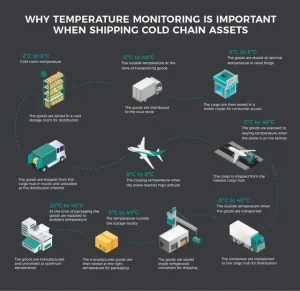
Heat entering a refrigerated area increases the workload placed on cooling equipment. Warm air can enter through doors, gaps, damaged seals, or other areas where the cold storage environment is not adequately controlled.
Every additional amount of heat that enters the facility needs to be removed by the refrigeration system. Reducing unnecessary heat gain can therefore be an important step towards improving energy efficiency.
Frequent Door Openings
Cold storage doors are essential for moving products and personnel, but every opening can allow warmer air into the refrigerated area. Facilities with frequent loading and unloading activity may experience significant air exchange throughout the day.
Effective door management, appropriate sealing, and suitable facility design can help reduce the impact of this activity on refrigeration performance.
How Tretight Can Help Reduce Energy Demand
Tretight can complement existing cold storage systems by supporting a more controlled environment. Instead of relying entirely on refrigeration equipment to compensate for heat entering the storage area, businesses can take steps to minimise unnecessary heat gain.
A more controlled environment can help refrigeration equipment maintain target temperatures without continually responding to avoidable temperature changes.
Supporting Better Temperature Control
Temperature stability is closely linked to energy efficiency. When temperatures fluctuate frequently, refrigeration systems may need to operate more intensively to restore the desired conditions.
Tretight can contribute to a strategy designed to minimise unnecessary changes in the cold storage environment. Combined with effective insulation and refrigeration equipment, this can support more consistent operating conditions.
Reducing Unwanted Air Movement
Uncontrolled air movement can transfer heat into a refrigerated space. Warm external air can increase the cooling load, particularly in facilities that experience frequent access or challenging environmental conditions.
By helping manage unwanted air movement, Tretight can complement other cold storage measures designed to improve energy efficiency.
The Connection Between Refrigeration and Energy Efficiency
Refrigeration equipment is often one of the largest energy consumers within a cold storage facility. Improving the conditions under which refrigeration systems operate can therefore have a meaningful effect on overall energy performance.
Reducing Refrigeration Workloads
When less heat enters a refrigerated environment, the cooling system has less work to do. This can potentially reduce the frequency or duration of refrigeration cycles, depending on the system and operating conditions.
Tretight should not be viewed as a replacement for refrigeration equipment. Instead, it can complement refrigeration by helping create conditions that support efficient operation.
Improving System Performance
Efficient refrigeration depends on more than the cooling equipment itself. Insulation, airflow, doors, seals, temperature settings, maintenance, and building conditions can all affect system performance.
Taking a whole-facility approach can help identify opportunities to reduce energy consumption without compromising required storage temperatures.
Combining Tretight With Insulation
Insulation is an essential component of cold storage construction because it reduces heat transfer between the refrigerated space and the surrounding environment.
Preventing Unnecessary Heat Transfer
Good insulation helps maintain the difference between the cold internal environment and warmer external conditions. If insulation becomes damaged or degraded, heat can enter more easily and increase refrigeration demand.
Tretight can complement insulation by addressing other aspects of environmental control. Together, these measures can contribute to a more efficient cold storage environment.
Cold Storage Doors and Energy Consumption
Doors are another important consideration when looking for ways to reduce energy costs. A busy cold storage facility may have doors opening and closing hundreds of times during normal operations.
Managing Air Exchange
When a cold storage door opens, warmer air can enter while cold air escapes. This exchange can increase the amount of work required from the refrigeration system.
Businesses can reduce the impact by using suitable door systems, maintaining seals, limiting unnecessary openings, and implementing efficient loading procedures.
Tretight can be considered as part of a broader strategy for managing the conditions around cold storage access points.
The Importance of Preventative Maintenance
Reducing energy costs is not only about installing new products or equipment. Regular maintenance is essential for ensuring that existing systems continue to operate efficiently.
Inspecting Seals and Insulation
Damaged seals and deteriorating insulation can allow heat to enter the cold storage environment. Regular inspections can help identify these issues before they lead to significant increases in energy consumption.
Maintaining Refrigeration Equipment
Refrigeration systems should also be serviced according to appropriate maintenance schedules. Dirty components, blocked airflow, worn parts, and other problems can reduce efficiency and increase operating costs.
Combining preventative maintenance with Tretight and other efficiency measures can provide a more comprehensive approach to energy management.
Monitoring Energy and Temperature Performance
Businesses cannot effectively manage what they do not measure. Monitoring energy consumption and storage temperatures can help operators identify unusual changes and assess the effectiveness of efficiency improvements.
Identifying Energy Consumption Trends
Tracking energy usage over time can reveal patterns that may indicate potential problems. A sudden increase in consumption could be associated with changes in operating conditions, equipment performance, insulation, door usage, or other factors.
Temperature monitoring can provide additional information about how effectively the facility is maintaining its required conditions.
Using Data to Improve Efficiency
Combining temperature and energy data can help operators make better-informed decisions. If energy consumption increases while temperature stability decreases, this may indicate that an aspect of the cold storage environment requires attention.
Tretight can form part of the physical infrastructure supporting these efficiency improvements, while monitoring systems provide the information needed to evaluate performance.
Long-Term Benefits of Reducing Cold Storage Energy Costs
Improving energy efficiency can provide benefits beyond reducing monthly electricity bills. Lower energy consumption can contribute to more predictable operating costs and improved overall facility performance.
Reducing Operating Expenses
Even small improvements in energy efficiency can become valuable when refrigeration systems operate continuously. Over months and years, reducing unnecessary cooling demand can contribute to lower operating expenses.
The actual savings achieved will depend on factors such as facility size, energy prices, refrigeration technology, insulation, operating practices, and the condition of the storage environment.
Supporting Sustainable Operations
Reducing energy consumption can also support businesses seeking to improve their environmental performance. Using energy more efficiently can reduce the resources required to operate temperature-controlled storage.
For businesses with sustainability objectives, improving refrigeration efficiency can therefore be an important part of a wider operational strategy.
Why Tretight Should Be Part of a Complete Strategy
The most effective way to reduce cold storage energy costs is to address the entire system. Tretight can be one component of that strategy, working alongside refrigeration equipment, insulation, doors, seals, monitoring systems, and maintenance procedures.
Taking a Whole-Facility Approach
Rather than focusing on one source of energy consumption, businesses should assess where heat enters the facility, how refrigeration equipment operates, how frequently doors are opened, and whether insulation and seals remain effective.
Addressing several areas simultaneously can provide a stronger foundation for long-term efficiency.
Conclusion
Reducing energy costs is a major priority for modern cold storage facilities. Refrigeration systems can consume significant amounts of energy, particularly when they must compensate for unwanted heat gain, air movement, poor insulation, or frequent temperature fluctuations.
Tretight can support energy-efficiency efforts by contributing to a more controlled cold storage environment. By helping manage unwanted air movement and supporting consistent conditions, it can complement refrigeration, insulation, doors, and other essential cold storage components.
For the best results, businesses should combine Tretight with regular maintenance, temperature monitoring, efficient refrigeration equipment, suitable insulation, and effective operating procedures. A whole-facility approach can help reduce unnecessary energy demand while maintaining the temperatures needed to protect valuable products.
Ultimately, improving cold storage efficiency is about making every part of the system work together. Tretight can be a useful component of that strategy, helping businesses work towards lower energy consumption, improved temperature control, and more efficient long-term cold storage operations.
Recent Comments