
What to Consider Before Starting a Cold Storage Construction Project
Starting a cold storage construction project requires careful planning, technical expertise, and a clear understanding of your business’s storage requirements. Unlike conventional warehouses, cold storage facilities must maintain controlled temperatures while managing energy consumption, moisture, refrigeration performance, and product safety. Every decision made during the early planning stages can influence construction costs, operational efficiency, and the facility’s long-term reliability. What to Consider Before Starting a Cold Storage Construction Project
Whether you are building a refrigerated warehouse, a frozen food storage facility, or a temperature-controlled distribution centre, establishing the right foundations is essential. Understanding the key considerations before construction begins can help minimise costly changes, improve project delivery, and ensure the finished facility meets your operational needs.
Here are the essential factors to evaluate before starting a cold storage construction project.
1. Define Your Cold Storage Requirements
Before developing a construction plan, identify what the facility will store and how it will operate. Different products require different storage conditions, and these requirements directly influence the building design, refrigeration capacity, and overall project budget.
For example, fresh produce may require carefully managed humidity and ventilation, while frozen products need consistently low temperatures. Pharmaceutical products may also require specific environmental controls, monitoring procedures, and documented temperature records.
Determine Storage Temperatures and Capacity
Establish the required temperature ranges, humidity levels, storage volumes, and expected inventory turnover. Consider whether the facility needs separate chilled, frozen, and ambient storage areas.
It is also important to calculate both current and anticipated storage capacity. Planning for future demand can help prevent the need for expensive expansions shortly after the facility becomes operational.
Understand Daily Operational Requirements
Consider how products will arrive, be inspected, stored, picked, and dispatched. The frequency of deliveries, expected vehicle movements, and storage rotation methods will influence the facility layout and equipment selection.
Defining these requirements early provides a clear direction for the design team and helps ensure the building supports actual business operations.
2. Choose the Right Site and Location
Site selection is a critical stage of cold storage construction because location affects transportation efficiency, infrastructure costs, and development feasibility.
A suitable site should provide convenient access to major roads, suppliers, customers, and distribution networks. Businesses handling perishable goods may benefit significantly from shorter transportation distances and efficient connections to other supply chain facilities.
Assess Land Conditions and Accessibility
Before committing to a site, investigate soil stability, drainage, flood exposure, groundwater conditions, and any potential environmental constraints. These factors can influence foundation design, earthworks, and overall construction costs.
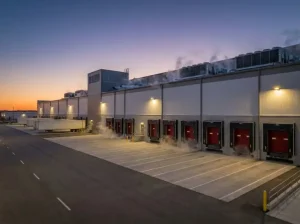
The property should also provide sufficient space for truck access, loading docks, parking, equipment installation, and potential future expansion. What to Consider Before Starting a Cold Storage Construction Project
Check Infrastructure Availability
Cold storage facilities can have substantial electricity requirements due to refrigeration equipment and supporting systems. Confirm that the available power supply can accommodate the expected demand and investigate the cost of any required upgrades.
Water, telecommunications, stormwater drainage, and other essential services should also be assessed before finalising the site.
3. Establish a Realistic Construction Budget
Developing an accurate budget before construction begins helps businesses understand the financial commitments involved and avoid unexpected expenses.
The total project cost extends beyond the building structure. It can include site preparation, foundations, insulated panels, refrigeration systems, electrical infrastructure, fire protection, racking, loading docks, and commissioning.
Account for Initial and Ongoing Costs
When preparing the budget, consider both capital expenditure and long-term operating costs. A lower initial construction price may not deliver the best value if the facility consumes excessive energy or requires frequent maintenance.
Evaluate the expected costs of electricity, servicing, equipment replacement, labour, and insurance. Comparing different design options through a whole-of-life cost assessment can help identify the most suitable investment.
Allow for Contingencies
Construction projects can encounter unexpected ground conditions, material price changes, equipment delays, or design modifications. Including a suitable contingency allowance helps protect the project budget against unforeseen expenses.
Obtain detailed quotations from qualified contractors and clarify what is included in each proposal before comparing prices.
4. Plan the Insulation and Building Envelope
The building envelope plays a major role in maintaining stable internal temperatures. Inadequate insulation or poorly sealed joints can allow unwanted heat to enter the facility, increasing refrigeration demand and operating expenses.
The walls, roof, floor, doors, and service penetrations should be designed as an integrated thermal system.
Choose Suitable Insulation Materials
Insulated sandwich panels are commonly used in cold storage construction because they provide thermal resistance and can support efficient installation. Panel specifications should reflect the operating temperature, building dimensions, fire requirements, and environmental conditions.
The correct insulation thickness depends on the facility’s design and performance targets. Working with experienced designers helps ensure materials are selected according to actual project requirements.
Address Air Leakage and Moisture Control
Air leakage can introduce warm, humid air into refrigerated spaces, contributing to condensation and frost formation. Vapour-control layers, sealed panel joints, and properly detailed building connections are therefore essential.
Careful detailing around doors, floors, roofs, and structural penetrations helps protect the building envelope and maintain refrigeration efficiency.
5. Select an Appropriate Refrigeration System
The refrigeration system is one of the most important investments in a cold storage construction project. Its performance affects temperature stability, product quality, energy consumption, and operational reliability.
Selecting equipment based solely on warehouse size can lead to poor performance. Refrigeration requirements should be calculated using a comprehensive cooling-load assessment.
Calculate the Required Cooling Capacity
The assessment should consider heat entering through walls and roofs, incoming product temperatures, lighting, machinery, personnel, door openings, and other internal heat sources.
The system should accommodate expected operating conditions without being unnecessarily oversized. Correct sizing can improve efficiency and help manage capital costs.
Consider Efficiency, Maintenance, and Reliability
Evaluate compressor performance, evaporator selection, control systems, refrigerant requirements, and opportunities for heat recovery. Qualified refrigeration specialists can help compare suitable technologies and determine which options meet the facility’s needs.
Maintenance access and contingency arrangements should also be incorporated into the design to reduce downtime and protect stored products.
6. Design an Efficient Facility Layout
An effective layout supports smooth product movement, maximises usable storage space, and reduces unnecessary handling. Poor planning can create congestion, increase labour costs, and compromise temperature control.
The layout should reflect the entire workflow, from receiving and inspection to storage, picking, packing, and dispatch.
Optimise Storage and Traffic Flow
Consider racking configurations, aisle widths, forklift movements, pedestrian routes, and loading dock locations. High-density storage may increase capacity, but the design must still provide suitable access, refrigeration airflow, and fire protection.
Loading docks should be positioned to support efficient vehicle movements while limiting the time refrigerated areas are exposed to external conditions.
Allow for Future Expansion
If the business expects to grow, consider whether the facility can accommodate additional storage zones, refrigeration equipment, or automated handling systems.
Planning for expansion at the beginning can reduce disruption and construction costs when additional capacity becomes necessary.
7. Understand Building Regulations and Safety Requirements
Before construction starts, confirm the approvals, building requirements, and safety obligations that apply to the proposed facility.
Requirements may cover structural engineering, fire protection, electrical installations, refrigeration plant, environmental management, workplace safety, and land use.
Engage Qualified Professionals Early
Architects, structural engineers, refrigeration specialists, fire safety consultants, and other relevant professionals should coordinate their work during the design stage.
In Australia, projects may need to satisfy applicable National Construction Code provisions, Australian Standards, state or territory regulations, and local planning requirements. The precise obligations depend on the project and should be confirmed with the relevant authorities and qualified advisers.
Early coordination helps identify compliance issues before they cause delays or expensive design changes.
8. Consider Energy Efficiency and Sustainability
Energy efficiency should be integrated into the project from the beginning rather than treated as an optional upgrade. Refrigeration equipment, lighting, doors, and the building envelope all contribute to total energy consumption.
Reduce Energy Demand Through Design
Consider high-performance insulation, airtight construction, efficient refrigeration equipment, LED lighting, automatic door controls, and suitable energy monitoring systems.
The building layout can also influence energy use. Reducing unnecessary door openings and separating different temperature zones can help minimise heat gain.
Evaluate Long-Term Environmental Performance
Depending on the project, opportunities may include lower-impact refrigerants, heat recovery, renewable electricity, and energy-efficient control systems.
Assess these options alongside installation costs, maintenance requirements, regulatory obligations, and expected operating savings to determine which measures provide practical long-term value.
9. Establish a Construction Timeline and Project Team
Cold storage construction involves multiple specialised trades and equipment suppliers. Coordinating these parties effectively is essential to keeping the project on schedule.
The timeline should account for design development, approvals, procurement, site preparation, structural works, refrigeration installation, commissioning, and operational handover.
Identify Long-Lead Equipment and Materials
Refrigeration equipment, electrical components, insulated panels, and specialised doors may have different procurement lead times. Confirm availability early and coordinate deliveries with the construction schedule.
Monitor Quality and Project Progress
Establish clear responsibilities, milestones, inspection procedures, and communication processes. Regular progress reviews can help identify problems before they affect critical activities.
Quality checks should include insulation installation, joint sealing, structural works, refrigeration installation, and system testing.
10. Plan for Commissioning and Ongoing Maintenance
Construction is not complete when the building structure is finished. The facility must be tested and prepared to operate under its intended conditions.
Commissioning verifies that refrigeration equipment, controls, monitoring systems, doors, and other critical components function as designed.
Test Systems Before Storing Products
Allow time for system testing, temperature stabilisation, control verification, alarm checks, and staff training. Documented procedures help ensure the facility is ready for normal operations.
Develop a Preventive Maintenance Plan
Plan regular inspections and servicing for refrigeration equipment, electrical systems, doors, drainage, and temperature monitoring devices. Preventive maintenance can reduce unexpected breakdowns, improve efficiency, and extend equipment life.
Clear maintenance responsibilities and accessible equipment locations should be established during the design stage.
Conclusion
Starting a cold storage construction project requires a comprehensive approach that balances operational needs, technical performance, regulatory compliance, and long-term costs. Defining storage requirements, selecting the right site, preparing a realistic budget, and coordinating insulation, refrigeration, and building design are essential steps before construction begins.
Businesses should also consider facility layout, energy efficiency, safety, construction scheduling, commissioning, and future expansion. Addressing these factors early helps reduce costly changes, improve project coordination, and create a facility suited to its intended purpose.
By working with experienced cold storage contractors, engineers, and refrigeration specialists, businesses can make informed decisions throughout the planning process. A well-prepared project provides a stronger foundation for reliable temperature control, efficient operations, product protection, and sustainable long-term performance.
Recent Comments