
Choosing the Right Site for a New Cold Storage Facility
Choosing the right site is one of the most important decisions when planning a new cold storage facility. The location affects construction costs, transportation efficiency, access to utilities, regulatory approvals, and the facility’s long-term operating expenses. A well-selected site can support efficient distribution, reliable temperature control, and future business growth, while an unsuitable location may create expensive challenges throughout the facility’s operational life.
Cold storage facilities have different requirements from conventional warehouses because they depend on reliable electricity, specialised building systems, suitable ground conditions, and efficient access for delivery vehicles. These factors must be evaluated before purchasing land or committing to a construction project.
Whether you are developing a refrigerated warehouse, a frozen food distribution centre, or a temperature-controlled storage facility, understanding the key site selection considerations can help you make an informed investment decision.
1. Evaluate the Location and Transport Accessibility
Location plays a significant role in the efficiency of cold storage operations. Facilities that are conveniently positioned near suppliers, customers, distribution centres, and major transport routes can reduce delivery times and improve supply chain performance.
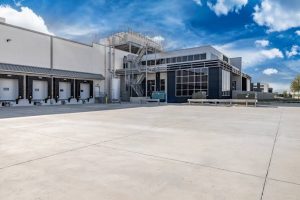
For businesses handling perishable products, transportation delays can affect product quality and increase logistics costs. Selecting a site with suitable road access is therefore an important part of the planning process.
Consider Proximity to Major Transport Routes
Assess the site’s distance from highways, arterial roads, freight terminals, ports, and other important distribution infrastructure. The most suitable location depends on the business model, delivery destinations, and the types of vehicles used.
A facility serving regional customers may require different transport connections from a distribution centre supplying metropolitan supermarkets or food processing businesses.
Assess Access for Heavy Vehicles
Cold storage operations often involve frequent deliveries by heavy vehicles. The site should provide sufficient space for truck entry, turning movements, loading docks, queuing, and safe vehicle circulation.
Check road restrictions, access limitations, and nearby traffic conditions before finalising the location. Efficient vehicle access can reduce delays and help improve daily warehouse productivity.
2. Investigate Land Size and Future Expansion Potential
The available land must accommodate more than the main storage building. Site planning should include loading docks, vehicle manoeuvring areas, parking, refrigeration plant, utilities, drainage infrastructure, and other operational requirements.
Choosing a site that is too small can limit storage capacity and make future expansion difficult.
Determine the Required Site Area
Estimate the building footprint based on storage capacity, operating temperatures, racking configurations, and expected product volumes. Include space for receiving, dispatch, equipment rooms, staff facilities, and supporting infrastructure.
Consider whether the facility will use automated storage systems or high-bay racking, as these can influence building dimensions and layout requirements.
Allow for Future Business Growth
Businesses should evaluate whether the site can support additional storage zones, refrigeration equipment, expanded loading docks, or a larger warehouse in the future.
Land with suitable expansion opportunities can provide greater flexibility as customer demand changes. Planning for growth during the initial site selection stage may also reduce the disruption and cost associated with relocating or redeveloping the facility later.
3. Assess Soil Conditions and Ground Stability
Ground conditions directly affect foundation design, site preparation, drainage, and construction costs. Before purchasing land, arrange appropriate geotechnical investigations to understand the site’s suitability for the proposed building.
Unexpected ground conditions can lead to additional excavation, specialised foundations, and construction delays.
Conduct Geotechnical Investigations
Soil testing can help determine bearing capacity, groundwater conditions, settlement risks, and the need for ground improvement. These findings allow engineers to develop suitable foundation and structural designs.
The investigation should reflect the proposed building size, anticipated storage loads, and the equipment that will operate within the facility.
Consider Frost Heave Risks
Freezer facilities require particular attention to ground freezing. If the floor and subfloor system are not designed appropriately, freezing moisture beneath the building can cause frost heave, resulting in floor movement and structural damage.
Depending on the facility’s design and ground conditions, suitable insulation and subfloor heating or ventilation systems may be necessary.
4. Confirm Electricity Supply and Utility Availability
Cold storage facilities can consume substantial amounts of electricity because refrigeration systems must maintain specific temperatures throughout operating hours. Reliable power infrastructure is therefore essential when selecting a site.
A property with insufficient electrical capacity may require costly network upgrades before the facility can operate.
Check Electrical Capacity and Reliability
Consult electrical engineers and relevant utility providers to determine whether the existing supply can support refrigeration equipment, lighting, material-handling systems, monitoring equipment, and future expansion.
Assess connection costs, upgrade requirements, expected demand, and the availability of suitable electrical infrastructure.
Power reliability should also be considered, particularly when the facility will store products that could be damaged by prolonged temperature deviations. Depending on operational needs, backup power arrangements or other contingency measures may be appropriate.
Evaluate Other Essential Services
Confirm the availability of water, sewerage, telecommunications, stormwater infrastructure, and other required services. Some refrigeration systems and cleaning processes may have specific water or drainage requirements.
Understanding service availability early helps improve budget accuracy and reduces the risk of unexpected infrastructure expenses.
5. Examine Planning Regulations and Environmental Restrictions
Not every industrial property is suitable for cold storage development. Zoning restrictions, building requirements, environmental conditions, and local planning controls may affect whether a proposed facility can be constructed and operated.
These issues should be investigated before committing to a site.
Confirm Zoning and Development Approvals
Check whether the proposed land use is permitted and identify any requirements relating to building height, site coverage, vehicle access, noise, operating hours, and loading dock placement.
In Australia, projects may need to comply with local planning schemes, applicable National Construction Code provisions, relevant Australian Standards, and state or territory regulations.
Engaging planning consultants and qualified building professionals early can help identify approval requirements and potential restrictions.
Assess Environmental and Neighbourhood Impacts
Consider nearby residential areas, protected land, flood-prone zones, contamination risks, and other environmental constraints. Refrigeration plant, truck movements, and loading activities may generate noise that needs to be addressed through site planning and appropriate design.
Early environmental assessments can help identify risks and reduce the likelihood of unexpected approval delays.
6. Evaluate Drainage and Flood Risk
Water management is an important consideration when selecting land for cold storage construction. Poor drainage can damage building components, disrupt vehicle access, and increase maintenance requirements.
Flood exposure can also threaten stored products, electrical equipment, refrigeration plant, and other critical infrastructure.
Investigate Flood Exposure
Review available flood mapping, local drainage information, and site elevation. Where necessary, obtain professional assessments to understand potential flood levels and associated risks.
The results may influence floor levels, site grading, equipment placement, and the location of critical electrical systems.
Plan Effective Stormwater Management
Assess whether the site can accommodate suitable stormwater drainage, surface grading, and any required detention or treatment systems. The design should prevent water from accumulating around foundations and loading areas.
A site with effective drainage can help protect the building structure and support safer operations during heavy rainfall.
7. Compare Construction and Operating Costs
The purchase price of land is only one part of the total site investment. A lower-priced property may require extensive earthworks, utility upgrades, drainage improvements, or access modifications that increase overall project costs.
Calculate Total Development Costs
Compare land prices alongside site preparation, foundations, utility connections, road upgrades, drainage, approvals, and other infrastructure requirements.
Request preliminary advice from engineers and contractors to identify major cost risks before making a final decision.
Consider Long-Term Operating Expenses
Evaluate the ongoing costs associated with electricity, transportation, maintenance, and access to service providers. A location that improves distribution efficiency or reduces infrastructure demands may offer better long-term value despite a higher initial land cost.
A whole-of-life financial assessment can help businesses compare sites based on the total cost of ownership rather than purchase price alone.
8. Review Labour Availability and Local Infrastructure
Cold storage facilities rely on skilled workers to manage warehouse operations, refrigeration equipment, maintenance, transport, and inventory systems.
A site’s proximity to an appropriate labour market can influence recruitment, staffing costs, and operational reliability.
Assess Workforce Accessibility
Consider public transport, road connections, employee parking, and the availability of workers with relevant warehouse, logistics, and technical skills.
The site’s location should support the facility’s planned operating hours and shift arrangements.
Check Access to Suppliers and Maintenance Services
Reliable access to refrigeration technicians, equipment suppliers, contractors, and logistics providers can help reduce downtime and simplify maintenance.
Nearby industrial services and established transport infrastructure may provide practical advantages throughout the facility’s operational life.
Conclusion
Choosing the right site for a new cold storage facility requires a comprehensive assessment of location, transport access, land size, ground conditions, utilities, regulations, drainage, and long-term costs. Each factor influences the feasibility, construction budget, and operational performance of the proposed development.
Businesses should evaluate both immediate construction requirements and future operational needs before purchasing land. A site that appears attractive initially may present challenges if it lacks sufficient electrical capacity, suitable drainage, expansion space, or convenient transport connections.
Working with experienced cold storage contractors, engineers, planning consultants, and utility providers can help identify potential issues before construction begins. By carefully assessing each site against the facility’s technical and commercial requirements, businesses can make better investment decisions and establish a strong foundation for efficient, reliable, and cost-effective cold storage operations.
Recent Comments