
Can Bi-Parting Hinged Doors Help Reduce Energy Loss in Cold Storage?
Energy efficiency is a major consideration for businesses operating cold storage facilities, refrigerated warehouses, food processing plants, and commercial refrigeration environments. Maintaining consistent temperatures requires refrigeration systems to work continuously, and even small amounts of unwanted heat entering a cold room can increase energy consumption and operating costs. One factor that can influence refrigeration efficiency is the type of door installed. Can Bi-Parting Hinged Doors Help Reduce Energy Loss in Cold Storage?
Bi-parting hinged doors are designed to provide convenient access while allowing a doorway to be divided into two independently opening sections, depending on the door system’s configuration. When appropriately designed, insulated, sealed, and installed, these doors can help limit unwanted air exchange and support temperature stability in cold storage environments.
But can bi-parting hinged doors genuinely help reduce energy loss? The answer depends on several factors, including insulation performance, sealing quality, usage frequency, installation standards, and the operating conditions of the facility.
Understanding Bi-Parting Hinged Doors for Cold Storage
What Are Bi-Parting Hinged Doors?
Bi-parting hinged doors are door systems configured to provide access through two opening sections. Depending on the design, both sections may open independently or operate together to accommodate different access requirements. They can be considered for applications where convenient movement between refrigerated areas and surrounding spaces is important.
In cold storage facilities, door selection must account for more than accessibility. The door assembly needs to help maintain the required internal temperature while withstanding repeated use and the conditions associated with refrigerated environments.
Insulated door panels, appropriate gaskets, durable hinges, and suitable frames all contribute to the overall performance of the system. The exact benefits depend on the specifications of the particular door rather than its configuration alone.
Why Door Performance Matters in Refrigerated Environments
Cold rooms rely on refrigeration equipment to remove heat and maintain a controlled temperature. Whenever a door opens, warmer air can enter the refrigerated space while cold air escapes. This exchange introduces additional heat that the refrigeration system must remove.
Poorly sealed doors can also allow air infiltration when they are closed. Over time, these losses may contribute to higher energy consumption, temperature fluctuations, condensation, and frost formation under suitable conditions.
Selecting a well-insulated door with effective perimeter sealing is therefore an important consideration when improving the energy efficiency of a cold storage facility.
How Bi-Parting Hinged Doors Can Help Reduce Energy Loss
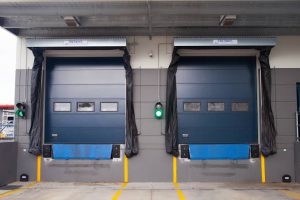
1. Effective Insulation Helps Limit Heat Transfer
Insulation is one of the most important characteristics of a cold storage door. Insulated panels help reduce heat transfer between the warmer surrounding environment and the refrigerated interior.
When a bi-parting hinged door incorporates suitable insulation, it can help maintain the temperature difference between the two spaces. This is particularly important in facilities that store temperature-sensitive products, including food ingredients, fresh produce, dairy products, and frozen goods.
However, insulation performance varies according to panel materials, thickness, construction, and thermal bridging through frames or hardware. Businesses should assess the complete door assembly and its rated thermal performance rather than relying on panel insulation alone.
2. Quality Seals Help Prevent Unwanted Air Leakage
Even a well-insulated door may perform poorly if air can pass through gaps around its edges. Worn gaskets, misaligned panels, damaged frames, and inadequate contact between the door sections can create opportunities for unwanted air movement.
Bi-parting hinged doors fitted with appropriate seals can help minimise these losses when the doors are correctly adjusted and maintained. Effective sealing is especially valuable in cold rooms where temperature stability is essential.
Regular inspections should check for cracked or compressed gaskets, loose hinges, damaged door edges, and gaps around the frame. Replacing worn sealing components can help restore performance without necessarily requiring the entire door system to be replaced.
3. Convenient Access Can Support Better Operational Practices
Door design can influence how employees move products, equipment, and materials through a cold storage facility. A suitable opening configuration may make access more convenient and help staff complete routine tasks efficiently.
Where the design allows only the required section to be opened, less doorway area may be exposed during certain activities. This can potentially reduce air exchange compared with opening a larger access area, provided the operating procedure and door configuration support that use.
Nevertheless, the actual energy benefit depends on how frequently the door is opened, how long it remains open, the size of the opening, and the temperature and humidity differences between adjacent spaces.
Additional Benefits for Cold Storage Facilities
Maintaining More Consistent Temperatures
Temperature stability is essential in many refrigerated storage applications. Repeated air exchange can place additional demands on refrigeration equipment and create local temperature variations near doorways.
A properly specified bi-parting hinged door can help limit unwanted heat transfer when closed, supporting more consistent conditions inside the cold room. This may be particularly beneficial for facilities handling temperature-sensitive products.
Businesses should still monitor temperatures and assess the entire refrigeration system, as door performance is only one part of effective temperature management.
Supporting Product Quality and Food Safety
Temperature fluctuations can affect product quality and, in some circumstances, increase food safety risks. Effective cold storage management combines suitable refrigeration equipment, appropriate operating procedures, temperature monitoring, and reliable access systems.
Doors that close securely and maintain effective seals can contribute to this overall approach. In food processing and distribution environments, the door materials and finishes should also suit the required cleaning procedures and hygiene standards.
For pharmaceutical and other temperature-sensitive applications, door selection should align with the facility’s documented storage requirements and applicable regulatory obligations.
Potentially Reducing Refrigeration System Workload
When less unwanted heat enters a refrigerated space, the refrigeration system may need to remove less heat. Depending on operating conditions, this can reduce refrigeration demand and contribute to lower electricity consumption.
However, energy savings cannot be guaranteed simply by installing a bi-parting hinged door. Results depend on the existing door’s condition, insulation levels, opening frequency, room temperature, refrigeration efficiency, and other factors affecting heat gain.
Businesses seeking measurable improvements should compare energy use and operating conditions before and after upgrades wherever practical.
Factors to Consider When Choosing Bi-Parting Hinged Doors
Insulation and Thermal Performance
Choose a door system designed for the temperature range and operating environment of the cold storage facility. Consider the insulation properties of the panels, frame construction, seals, and other components that may affect overall thermal performance.
Freezer applications may have different requirements from chilled storage rooms, so the specification should match the intended use.
Door Sealing and Installation Quality
Correct installation is essential for achieving the intended performance. Door sections should align properly, hinges should operate smoothly, and seals should make appropriate contact when closed.
Poor installation can create gaps that reduce the benefits of otherwise suitable materials. Professional installation and commissioning can help ensure that the door operates as intended.
Frequency of Use and Traffic Flow
Consider how often the door will open and close throughout the day. High-traffic facilities may experience greater air exchange than storage areas with limited access.
The opening configuration should suit the movement of employees, carts, pallets, or other equipment. Operational procedures that avoid unnecessarily prolonged openings can also help reduce energy loss.
Durability and Maintenance Requirements
Cold storage doors are exposed to repeated movement, cleaning, and sometimes moisture or frost. Durable hardware and accessible replacement components can help maintain reliable operation.
Establish a maintenance schedule covering hinges, seals, frames, closing mechanisms, and visible panel damage. Addressing minor issues early can help prevent deterioration in door performance.
Best Practices for Maximising Energy Efficiency
Inspect Doors Regularly
Routine inspections help identify damaged seals, alignment problems, and other defects that may allow unwanted air movement. Repairs should be completed promptly, particularly in facilities with strict temperature requirements.
Minimise Unnecessary Door Opening
Train employees to keep doors closed whenever access is not required. Organising storage layouts and delivery processes efficiently can reduce the time doors remain open and limit avoidable air exchange.
Monitor Energy Use and Temperature Conditions
Review refrigeration energy consumption alongside room temperatures, door usage, and maintenance records. This information can help identify recurring problems and establish whether a door upgrade is delivering the expected results.
Where energy savings are a priority, a qualified refrigeration professional can assess heat loads, air infiltration, and other contributors to energy consumption.
Conclusion
Bi-parting hinged doors can help reduce energy loss in cold storage facilities when they are designed for the application, properly insulated, effectively sealed, and correctly installed. Their potential contribution comes from limiting unwanted heat transfer while providing practical access for everyday operations.
However, the door configuration alone does not guarantee energy savings. Insulation quality, gasket condition, installation accuracy, opening frequency, and refrigeration system performance all influence the outcome.
For businesses looking to improve cold storage efficiency, selecting an appropriate door system should be part of a broader energy management strategy. Combining quality door construction with regular maintenance, efficient operating procedures, and temperature monitoring can help support reliable refrigeration performance, protect stored products, and manage long-term operating costs.
Ultimately, the best bi-parting hinged door solution is one that balances thermal performance, durability, hygiene, and accessibility with the specific needs of the cold storage facility.
Recent Comments