
The Long-Term Cost Benefits of Investing in Quality Cold Storage Doors
Introduction
Cold storage facilities play an essential role in industries such as food processing, hospitality, pharmaceuticals, and refrigerated logistics. These environments require reliable temperature control to protect stored products, maintain quality, and support daily operations. However, maintaining consistent temperatures can consume significant amounts of energy, making operating costs an important consideration for businesses. The Long-Term Cost Benefits of Investing in Quality Cold Storage Doors
While refrigeration equipment, insulation, and facility design all influence energy efficiency, cold storage doors are another important part of the equation. Poorly insulated doors, damaged seals, and unreliable closing mechanisms can allow cold air to escape and warm air to enter. This increases the workload on refrigeration systems and may contribute to higher electricity bills.
Investing in quality cold storage doors can provide long-term financial benefits by supporting temperature stability, reducing avoidable energy loss, and minimising maintenance requirements. Although the initial purchase price may be higher for some premium door systems, evaluating their performance over their expected service life can help businesses make more informed purchasing decisions.
Why Quality Cold Storage Doors Matter
Maintaining Consistent Temperatures
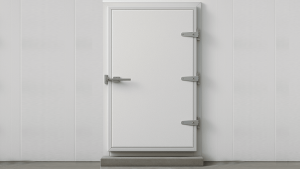
Cold storage facilities rely on refrigeration systems to maintain temperatures within specified ranges. Whenever heat enters the refrigerated space, the cooling equipment must remove it to restore the desired conditions.
Cold storage doors form part of the insulated barrier separating the refrigerated environment from surrounding areas. If a door has inadequate insulation or gaps around its edges, unwanted heat transfer can increase refrigeration demand.
Quality doors designed for the intended temperature range can help limit this transfer. Effective insulation, reliable seals, and suitable frame construction all contribute to maintaining consistent internal conditions.
For businesses storing temperature-sensitive products, this can support more reliable operations while helping reduce avoidable demands on refrigeration equipment.
Reducing Unwanted Air Leakage
Air leakage is a common issue when door seals deteriorate or door panels become misaligned. Warm air can enter through gaps, introducing additional heat and potentially bringing moisture into the cold room.
In humid environments, moisture entering refrigerated areas may contribute to condensation, frost, or ice formation under suitable conditions. These problems can affect door operation and increase maintenance requirements.
Quality cold storage doors with appropriate sealing systems can help minimise unwanted air movement when closed. Maintaining these seals is essential to preserving performance and avoiding unnecessary operating expenses.
Lower Energy Consumption and Refrigeration Costs
Improved Thermal Insulation
Insulation is one of the most important features to consider when selecting a cold storage door. Well-insulated panels help reduce heat transfer between the cold room and the surrounding environment.
The thermal performance of a door depends on its construction, insulation materials, panel thickness, frame design, and potential thermal bridging. Selecting a system suited to the facility’s operating temperature can help reduce unnecessary heat gain.
When less heat enters the refrigerated space, the refrigeration system may need to remove less heat to maintain the required temperature. Depending on operating conditions, this can contribute to lower electricity consumption over time.
Supporting Efficient Refrigeration Equipment
Refrigeration equipment is often required to operate for extended periods to maintain consistent storage temperatures. When doors allow excessive heat transfer or air infiltration, the cooling system may experience additional demand.
A properly specified and maintained door can help reduce this avoidable load. Although door improvements alone cannot eliminate all refrigeration losses, they can complement other energy efficiency measures, including insulated walls, effective temperature monitoring, and regular equipment servicing.
Businesses should assess the performance of their entire refrigeration system when identifying opportunities to reduce operating costs.
Lower Maintenance and Replacement Expenses
Durable Construction for Demanding Environments
Cold storage doors are exposed to repeated opening and closing, temperature changes, cleaning procedures, and sometimes moisture or frost. These conditions can place stress on door panels, hinges, handles, seals, and frames.
A quality door system designed for the intended environment can offer better durability and reliable operation. Robust components may help reduce the frequency of repairs, provided the door is correctly installed and maintained.
When comparing products, businesses should consider construction quality, hardware specifications, warranty conditions, and the availability of replacement components.
Reducing Unplanned Downtime
A damaged or malfunctioning cold storage door can disrupt normal operations. If the door fails to close correctly, staff may need to arrange urgent repairs, relocate products, or implement temporary measures to protect temperature-sensitive inventory.
These interruptions can create additional labour costs and operational challenges. Selecting a suitable door and maintaining it regularly can help reduce the likelihood of avoidable breakdowns.
Preventive maintenance remains important regardless of product quality. Inspecting hinges, seals, frames, and closing mechanisms helps identify problems before they become more serious.
Protecting Stored Products and Reducing Waste
Supporting Product Quality
Temperature stability is particularly important for businesses handling fresh produce, meat, dairy products, frozen foods, and other temperature-sensitive goods.
Unwanted heat entry can contribute to temperature fluctuations near doorways. Although product protection depends on the entire cold storage system, effective doors can help maintain the intended separation between refrigerated and surrounding environments.
Choosing doors suited to the required storage conditions can support product quality and help businesses meet their operational and storage requirements.
Minimising the Risk of Product Loss
Product spoilage or damage can create significant financial consequences, particularly in facilities storing large quantities of perishable goods.
Reliable door operation, effective sealing, and appropriate refrigeration management can help reduce some of the conditions that contribute to temperature instability. Businesses should also use suitable monitoring systems and established procedures to identify temperature deviations promptly.
Quality cold storage doors are therefore best viewed as one component of a broader strategy for protecting inventory and reducing avoidable waste.
Choosing the Right Cold Storage Door for Long-Term Value
Consider Insulated Hinged Doors
Insulated hinged doors are a practical option for many cold rooms that require straightforward access and dependable closure. Their suitability depends on the opening dimensions, traffic levels, temperature requirements, and construction specifications.
When appropriately selected, these doors can provide effective insulation and reliable access for routine operations.
Evaluate Bi-Parting Hinged Doors
Bi-parting hinged doors feature two opening sections and may be suitable for facilities where divided access supports the movement of personnel, equipment, or products.
Depending on the configuration, opening only the required section may help reduce the exposed opening area during certain tasks. However, the actual energy performance depends on the door’s insulation, sealing, installation, and operating practices.
Businesses should assess whether the configuration suits their workflow rather than assuming that one door type will always outperform another.
Compare Total Cost of Ownership
The purchase price is only one part of the overall cost of a cold storage door. Businesses should also consider installation, maintenance, expected service life, replacement parts, and potential energy performance.
A lower-priced door may be less economical over time if it requires frequent repairs or provides inadequate thermal performance. Conversely, a more expensive door is not automatically the better investment unless its specifications and durability suit the application.
Reviewing product documentation and obtaining professional advice can help businesses compare options more accurately.
Practical Ways to Maximise Your Investment
Schedule Regular Door Inspections
Inspect door seals, hinges, frames, and panels for damage or wear. Replace deteriorated gaskets and correct alignment issues promptly to help maintain effective closure.
Train Employees in Proper Door Use
Encourage staff to close doors promptly after accessing the cold room. Reducing unnecessary openings can help limit air exchange and support refrigeration efficiency.
Monitor Energy Consumption
Track electricity use, internal temperatures, and maintenance records to identify potential inefficiencies. When installing a new door, establish baseline measurements where practical and compare results while accounting for changes in operating conditions.
Conclusion
Investing in quality cold storage doors can provide long-term cost benefits by supporting effective insulation, reducing unwanted air leakage, and helping maintain stable temperatures. Durable construction and reliable components may also reduce maintenance demands and support more dependable daily operations.
For businesses handling temperature-sensitive products, appropriate door selection can contribute to better inventory protection and more efficient refrigeration management.
The best investment depends on the facility’s temperature requirements, traffic levels, door specifications, installation quality, and expected service life. By considering total ownership costs rather than purchase price alone, businesses can make more informed decisions.
Combining quality cold storage doors with regular maintenance, efficient operating practices, and temperature monitoring can help facilities manage refrigeration expenses and maintain reliable performance over the long term.
Recent Comments