
How High-Performance Loading Dock Doors Support Cold Chain Efficiency
Maintaining temperature consistency is one of the most important requirements in cold chain logistics. Businesses transporting and storing temperature-sensitive products, including fresh food, frozen goods, pharmaceuticals and beverages, rely on controlled environments to preserve product quality and meet industry requirements.
While refrigeration systems play a major role in maintaining these conditions, loading dock infrastructure is equally important. Loading docks are where refrigerated warehouses connect with transport vehicles, creating an area where temperature fluctuations and unwanted air exchange can easily occur.
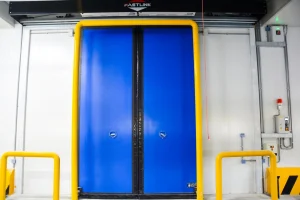
One of the most effective ways to address these challenges is by installing high-performance loading dock doors. Designed to provide insulation, improve access control and minimise exposure to external conditions, modern industrial doors can help cold storage facilities operate more efficiently.
In this article, we explore how high-performance loading dock doors support cold chain efficiency, the features businesses should consider and why choosing the right door system is important for refrigerated warehouse operations.
Why Loading Dock Doors Matter in Cold Chain Logistics
Cold chain logistics involves maintaining specific temperature conditions throughout the storage, handling and transportation of perishable products. Any significant temperature fluctuation can affect product quality, shelf life and, depending on the goods involved, safety.
Loading dock areas are particularly vulnerable because they experience frequent vehicle movements and door openings. Every time a loading dock door opens, warm external air can enter the facility while refrigerated air escapes.
This exchange places additional pressure on refrigeration systems and can make it more difficult to maintain consistent internal temperatures.
High-performance loading dock doors help reduce these challenges by providing a physical barrier between refrigerated storage areas and external environments.
When selected and installed correctly, they can contribute to:
Better temperature management.
Reduced unwanted air infiltration.
Improved refrigeration energy efficiency.
Faster loading and unloading operations.
Better protection against dust, moisture and external weather.
More controlled warehouse environments.
For facilities handling temperature-sensitive products, these benefits can make a significant difference to overall cold chain performance.
How High-Performance Loading Dock Doors Improve Cold Chain Efficiency
1. Maintaining Consistent Internal Temperatures
Temperature consistency is essential for protecting products throughout the cold chain. Refrigerated warehouses must maintain suitable conditions regardless of external weather or daily operational activity.
High-performance loading dock doors help create a barrier between internal storage areas and external temperatures.
Insulated industrial doors are particularly useful because they are designed to reduce heat transfer through the door structure. This helps minimise the impact of warmer external conditions on refrigerated environments.
By limiting unnecessary temperature changes, businesses can support more stable storage conditions and reduce the workload placed on refrigeration equipment.
This is especially important in facilities storing frozen products or goods that require tightly controlled temperature ranges.
2. Reducing Refrigeration Energy Consumption
Refrigeration systems require significant energy to maintain low temperatures. When loading dock doors are poorly insulated or remain open for extended periods, warm air can enter the facility and increase cooling demands.
High-performance doors help address this issue through improved insulation and faster operating speeds.
Insulated door panels reduce heat transfer, while rapid-opening systems minimise the time loading dock openings remain exposed.
These features can help reduce unnecessary refrigeration demand and support more efficient energy use.
For large cold storage warehouses with multiple loading bays, improving door performance across the facility may contribute to meaningful long-term operational savings.
3. Minimising Warm Air Infiltration
Air infiltration occurs when external air enters a building through gaps, openings or poorly sealed door systems.
In refrigerated facilities, warm air infiltration can affect internal temperatures and introduce moisture into colder environments.
High-quality loading dock doors are designed to provide effective sealing around the door perimeter when closed.
When combined with suitable dock shelters and dock seals, they can create a more controlled connection between the warehouse and refrigerated transport vehicles.
This integrated approach helps minimise unwanted air exchange during loading and unloading activities.
4. Improving Loading and Unloading Productivity
Cold chain operations often involve strict delivery schedules and high volumes of goods moving between warehouses and transport vehicles.
Slow or inefficient door systems can create unnecessary delays, particularly when forklifts and warehouse employees need to pass through loading dock openings frequently.
High-speed industrial doors help improve operational flow by opening and closing rapidly.
This reduces waiting times and allows employees and material-handling equipment to move goods more efficiently.
Faster door operation also means loading dock openings remain exposed for shorter periods, helping support temperature management while improving productivity.
5. Protecting Products from External Contaminants
Cold storage facilities must also protect goods from dust, moisture, insects and other external contaminants.
High-performance loading dock doors provide an additional physical barrier that helps separate internal storage environments from surrounding areas.
When combined with appropriate dock sealing equipment and hygiene procedures, industrial doors can help maintain cleaner loading and storage environments.
This is particularly valuable for food processing facilities, pharmaceutical warehouses and businesses handling products with strict hygiene requirements.
Types of Loading Dock Doors Suitable for Cold Storage Facilities
Different loading dock door systems offer different advantages. Choosing the right option depends on temperature requirements, loading frequency, available space and the overall warehouse design.
Insulated Sectional Overhead Doors
Insulated sectional overhead doors are commonly used in industrial warehouses and refrigerated distribution facilities.
They typically feature insulated panels designed to reduce heat transfer and provide protection against external weather conditions.
When closed, these doors create a physical barrier that helps maintain internal temperatures.
They are suitable for facilities where insulation and durability are important considerations, particularly when loading dock doors are not required to open continuously throughout the day.
High-Speed Roller Doors
High-speed roller doors are designed to open and close quickly, making them particularly useful in busy warehouse environments.
Their rapid operating speeds help minimise the time loading dock openings remain exposed to external conditions.
These doors are commonly used in facilities with frequent forklift movements and high loading volumes.
Depending on the application, high-speed doors can include automated controls, motion sensors and safety systems to improve operational efficiency.
Insulated High-Speed Doors
Insulated high-speed doors combine rapid operation with additional thermal performance.
They can be particularly beneficial in refrigerated facilities where both temperature management and frequent access are important.
By reducing heat transfer and limiting the duration of door openings, these systems help address two common challenges associated with cold chain operations.
The appropriate door specification will depend on the facility’s temperature requirements and operational conditions.
Important Features to Consider When Selecting Loading Dock Doors
Choosing the right loading dock door requires careful consideration of the facility’s operational requirements.
Insulation Performance
For refrigerated warehouses, insulation performance should be a major consideration.
Businesses should assess the door’s thermal properties and ensure the selected system is suitable for the temperatures maintained within the facility.
Effective perimeter sealing is also important because gaps around the door can reduce overall thermal performance.
Opening and Closing Speeds
Facilities with frequent loading activities may benefit from doors that operate quickly and reliably.
Faster operating speeds can improve workflow while reducing the time loading dock openings remain exposed.
However, door speed should be balanced with safety requirements and the needs of warehouse employees.
Durability and Operating Frequency
Industrial loading dock doors must withstand repeated opening and closing cycles, vehicle movements and demanding warehouse conditions.
Businesses should select systems designed for their expected operating frequency.
Durable materials, reliable components and accessible maintenance support can help reduce unexpected downtime.
Safety and Automation Features
Modern industrial doors can incorporate safety features such as motion sensors, light curtains, emergency stop controls and automatic reversing systems.
These features help protect employees, forklifts and other equipment during daily operations.
Automated opening systems can also reduce manual handling and improve traffic flow throughout the warehouse.
Integrating Loading Dock Doors with Other Cold Storage Solutions
High-performance loading dock doors deliver the greatest benefits when integrated with other loading dock equipment.
Dock Shelters and Dock Seals
Dock shelters and dock seals help minimise gaps between refrigerated transport vehicles and warehouse loading openings.
When combined with suitable industrial doors, they help create a more controlled environment during vehicle loading and unloading.
Dock Levellers
Dock levellers provide a smooth transition between the warehouse platform and the transport vehicle.
They improve the movement of forklifts and pallet trucks, helping employees transfer goods efficiently.
Combining dock levellers with high-performance doors supports a more streamlined loading dock operation.
Vehicle Restraint Systems
Vehicle restraint systems help secure trucks during loading and unloading activities.
They reduce the risk of unexpected vehicle movement and contribute to safer warehouse operations.
Integrating these systems with automated doors and other loading dock equipment can improve coordination across busy loading areas.
Maintaining Loading Dock Doors for Long-Term Performance
Regular maintenance is essential to ensure loading dock doors continue operating effectively.
Over time, repeated use can cause wear to seals, tracks, motors and other mechanical components. In refrigerated environments, moisture and temperature variations can create additional maintenance requirements.
Businesses should arrange regular inspections to identify damaged seals, unusual operating noises, inconsistent door movements and other potential issues.
Preventive maintenance helps maintain reliable operation, minimise unexpected downtime and protect the performance of the door system.
It is also important to ensure that safety features and automated controls are inspected and tested by qualified technicians.
Conclusion: Improve Cold Chain Efficiency with High-Performance Loading Dock Doors
High-performance loading dock doors play an important role in maintaining efficient cold chain operations. By helping control temperature fluctuations, reducing unwanted air infiltration and improving loading dock productivity, they support the overall performance of refrigerated warehouses.
From insulated sectional doors to high-speed roller systems, the right equipment can help businesses maintain controlled environments while accommodating the demands of modern transport and distribution operations.
When combined with dock shelters, dock seals, dock levellers and vehicle restraint systems, high-performance loading dock doors become part of a complete solution for managing refrigerated loading areas.
Ultimately, investing in suitable industrial door systems can help businesses improve energy efficiency, protect temperature-sensitive products and create more reliable cold chain operations for the long term.
Explore more: dock seals and loading docks
- Understanding Inflatable Dock Seals
- Dock Shelters vs. Dock Seals: Which Is Best for Cold Storage Facilities?
- How do you measure for loading dock seals?
- What are dock seals made of?
- How Inflatable Dock Seals Reduce Energy Costs Year-Round
- How Inflatable Dock Seals Help Meet Food Safety Standards
- Best Dock Sealing Solutions for Refrigerated Warehouses
- Why Cold Storage Facilities Need Inflatable Dock Seals
Planning a project? See our Tretight Inflatable Dock Seals page, or contact Commercial & General Coolrooms for advice and a quote.
Recent Comments