
Ensuring Food Safety through Effective Cold Storage Room Design
The Importance of Cold Storage in Food Safety
Cold storage rooms play a pivotal role in maintaining food safety by preserving the quality and extending the shelf life of perishable items. Properly designed and maintained cold storage facilities help prevent foodborne illnesses and ensure compliance with food safety regulations.
Regulatory Standards and Compliance
In Australia, food businesses are required to comply with the Food Standards Australia New Zealand (FSANZ) Safe Food Australia Standard 3.2.3, which outlines the requirements for food premises and equipment. This standard emphasizes the need for cold storage rooms to be designed and constructed to facilitate cleaning and maintenance, with appropriate drainage and shelving to allow air circulation .
Key Design Considerations for Cold Storage Rooms
Temperature Control
Maintaining the correct temperature is crucial for food safety. Cold storage rooms should be equipped with reliable refrigeration systems capable of maintaining temperatures that inhibit microbial growth. For example, frozen foods should be stored at temperatures below -18°C to halt bacterial activity entirely .
Humidity Control
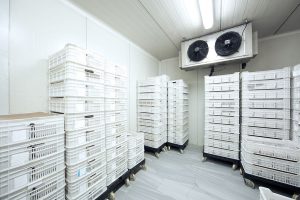
Excess moisture can lead to frost formation, damaging packaging and compromising food safety. Cold storage rooms should incorporate dehumidification systems to maintain optimal humidity levels, preventing ice build-up and ensuring safer working conditions .
Air Circulation
Proper air circulation is essential to maintain uniform temperatures and prevent moisture accumulation. Cold storage rooms should be designed with adequate ventilation systems to ensure even distribution of cold air and minimize the risk of mold and bacterial growth .
Hygienic Design and Maintenance
Easy-to-Clean Surfaces
Cold storage rooms should be constructed with materials that are durable and easy to clean, such as stainless steel or smooth, non-porous surfaces. This facilitates regular cleaning and reduces the risk of contamination .
Segregation of Food Categories
To prevent cross-contamination, cold storage rooms should have designated areas for different food categories. For instance, raw meats should be stored separately from ready-to-eat foods. This practice helps maintain food safety and quality .
Regular Maintenance and Inspections
Routine maintenance and inspections are vital to ensure the continued effectiveness of cold storage rooms. This includes checking refrigeration systems, cleaning air filters, and verifying temperature and humidity controls. Regular audits help identify potential issues before they compromise food safety .
Advanced Monitoring Systems
Real-Time Temperature and Humidity Tracking
Modern cold storage facilities utilize advanced monitoring technologies to track temperature and humidity levels in real-time. These systems provide alerts for any deviations from set parameters, allowing for prompt corrective actions to maintain food safety .
Data Logging and Compliance
Automated data logging systems record temperature and humidity data, facilitating compliance with food safety regulations. These records are essential for audits and help demonstrate adherence to food safety standards .
Emergency Preparedness and Backup Systems
Power Backup Solutions
Uninterrupted power supply is critical for maintaining the integrity of cold storage rooms. Facilities should be equipped with backup power systems, such as generators, to ensure continuous operation during power outages .
Emergency Response Plans
Developing and implementing emergency response plans is essential to address potential crises, such as equipment failures or natural disasters. These plans should include procedures for product recall, communication protocols, and coordination with regulatory authorities .
Conclusion
Effective cold storage room design is fundamental to ensuring food safety. By adhering to regulatory standards, implementing key design considerations, maintaining hygienic conditions, utilizing advanced monitoring systems, and preparing for emergencies, food businesses can safeguard the quality and safety of their products. Investing in proper cold storage infrastructure not only complies with regulations but also builds consumer trust and enhances operational efficiency.
For more detailed guidance on cold storage room design and compliance, refer to the Food Standards Australia New Zealand (FSANZ) Safe Food Australia Standard 3.2.3 .
Recent Comments