
When to Replace Cold Storage?
Cold storage facilities are critical for preserving perishable goods, pharmaceuticals, and other temperature-sensitive products. These facilities require significant investment, both in construction and maintenance, so knowing when to replace cold storage units is essential for operational efficiency and cost management. This article explores the key indicators that signal the need to replace a cold storage facility or its components, helping businesses make informed decisions that protect their assets and ensure consistent performance.
Understanding the Importance of Timely Replacement
Cold storage systems are designed to operate efficiently for many years, but over time, wear and tear, technological obsolescence, and changing operational needs can diminish their effectiveness. Delaying replacement can lead to costly breakdowns, increased energy consumption, and compromised product quality.
Risks of Delaying Replacement
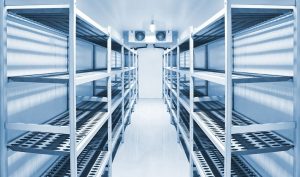
Increased Maintenance Costs: Aging facilities require more frequent repairs, often escalating maintenance expenses.
Energy Inefficiency: Older refrigeration systems consume more energy, driving up operating costs.
Product Loss: Inconsistent temperature control can spoil stored goods, resulting in significant financial loss.
Regulatory Non-Compliance: Outdated facilities may fail to meet current safety and environmental standards.
Signs That Indicate It’s Time to Replace Cold Storage
Identifying the right time to replace cold storage depends on several physical, operational, and financial indicators.
Frequent Equipment Failures
If refrigeration components like compressors, condensers, or evaporators break down repeatedly, it suggests the system is reaching the end of its useful life. Frequent repairs not only disrupt operations but also increase downtime and repair costs.
Temperature Instability
Consistent temperature maintenance is crucial. Fluctuations, even minor ones, can jeopardize product quality. If the cold storage unit cannot maintain target temperatures despite repairs, it’s a clear sign replacement should be considered.
Rising Energy Bills
Older refrigeration systems tend to lose efficiency, causing energy consumption to spike. If energy costs are steadily increasing without changes in usage patterns, it may be more cost-effective to replace the system with a modern, energy-efficient model.
Structural Damage
Physical deterioration of the facility—such as damaged insulation, corroded panels, or compromised seals—affects thermal performance. Extensive structural issues can be costly to repair and reduce the overall lifespan of the cold storage.
Obsolete Technology
Technological advancements in refrigeration and monitoring have significantly improved efficiency and reliability. If your cold storage uses outdated controls or lacks modern automation, upgrading or replacing the system can provide long-term savings and enhanced performance.
Compliance and Safety Concerns
Regulatory standards evolve, particularly concerning environmental impact and safety. Facilities that no longer comply with regulations may face fines or operational restrictions, making replacement necessary to meet current laws.
Factors to Consider Before Replacing Cold Storage
Replacing a cold storage facility or system is a major decision requiring careful analysis.
Cost-Benefit Analysis
Compare the ongoing maintenance and operational costs of the existing system against the investment required for replacement. Consider factors like energy savings, reduced downtime, and potential productivity improvements.
Facility Usage and Capacity Needs
Evaluate if the current facility size and capacity still meet your operational demands. Growth or changes in product lines may necessitate a larger or differently configured cold storage unit.
Technological Upgrades
New systems often feature enhanced energy efficiency, better temperature control, and advanced monitoring capabilities. Assess if these features align with your business goals and regulatory requirements.
Environmental Impact
Modern refrigeration technologies use environmentally friendly refrigerants and reduce greenhouse gas emissions. Replacing old systems can improve your company’s sustainability profile.
When to Replace Components vs. the Entire Facility
Not all replacements require a full facility overhaul. Sometimes, upgrading specific components can extend operational life.
Component Replacement
Refrigeration Units: Replacing compressors, condensers, or evaporators can boost efficiency and reliability.
Insulation Panels: Damaged or degraded insulation can be repaired or replaced to improve thermal performance.
Control Systems: Upgrading to automated monitoring and control can optimize energy use and reduce failures.
Complete Facility Replacement
Consider replacing the entire cold storage facility when:
Structural integrity is severely compromised.
Frequent and costly repairs become the norm.
The facility no longer meets operational needs or regulatory standards.
Energy inefficiency cannot be resolved through component upgrades.
Steps to Plan for Cold Storage Replacement
Proper planning ensures a smooth transition and minimizes disruption.
Conduct a Facility Audit
Perform a comprehensive assessment of equipment condition, energy consumption, structural health, and compliance status.
Engage Stakeholders
Involve management, operations, finance, and maintenance teams to gather input and align replacement goals with business needs.
Explore Financing Options
Cold storage replacement can be costly. Investigate grants, loans, or leasing options to support investment.
Select the Right Technology and Design
Choose energy-efficient refrigeration systems, high-quality insulation, and automation tools that meet current and future requirements.
Plan for Installation and Transition
Coordinate installation schedules to minimize downtime and develop contingency plans to protect stored products during replacement.
Conclusion
Knowing when to replace cold storage is essential to maintaining operational efficiency, product quality, and cost-effectiveness. Frequent equipment failures, temperature instability, rising energy costs, structural damage, obsolete technology, and compliance issues are all indicators that replacement should be considered. By carefully evaluating costs, operational needs, and technological advancements, businesses can make informed decisions that protect their investments and ensure reliable cold storage performance for years to come.
Recent Comments