
How Inflatable Dock Seals Reduce Energy Costs Year-Round
Energy efficiency has become a top priority for warehouses, distribution centers, and cold storage facilities. Rising utility costs, stricter environmental standards, and increased demand for temperature-controlled logistics have pushed operators to look for smarter ways to reduce energy consumption. One of the most effective but often underestimated solutions is the use of inflatable dock seals.
These systems significantly reduce energy loss at loading docks—the most vulnerable points in any temperature-controlled facility. By creating a tight barrier between indoor and outdoor environments, inflatable dock seals help maintain stable internal conditions and reduce the workload on heating and cooling systems throughout the year.
The Energy Challenge in Loading Dock Operations
Loading docks are one of the largest sources of energy loss in warehouses and cold storage facilities. Every time a dock door opens, conditioned air escapes and unconditioned air enters.
Air Exchange and Energy Waste
Air exchange occurs rapidly when dock doors are open. In summer, hot air infiltrates cooled interiors, forcing HVAC systems to work harder. In winter, cold air enters heated spaces, increasing heating demand.
This continuous cycle of air loss and recovery leads to significant energy waste over time, especially in facilities with high traffic volumes.
Impact on Refrigeration and HVAC Systems
Refrigeration and HVAC systems must compensate for temperature fluctuations caused by open docks. This increases energy consumption, accelerates equipment wear, and raises maintenance costs.
Without proper sealing systems in place, these energy losses can account for a substantial portion of overall operational expenses.
What Are Inflatable Dock Seals?
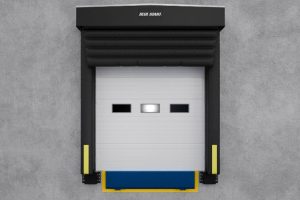
Inflatable dock seals are advanced sealing systems installed around loading dock doors. They use air-filled chambers that expand when activated, forming a tight seal around the back and sides of a parked trailer.
How They Function
When a truck backs into a dock, the inflatable system is triggered manually or automatically. Air is pumped into the seal chambers, causing them to expand and press firmly against the trailer. This creates a near-airtight enclosure that minimizes air leakage between the warehouse and the outside environment.
Once loading is complete, the air is released, and the seals retract, allowing the trailer to depart.
Adaptive Sealing for Different Trailers
Unlike fixed foam seals, inflatable dock seals adjust to different trailer sizes and positions. This adaptability ensures a consistent seal even when trucks are misaligned or vary in height and width.
How Inflatable Dock Seals Reduce Energy Costs
The primary way inflatable dock seals reduce energy costs is by limiting air exchange at loading docks. This has a direct impact on both heating and cooling efficiency.
Minimizing Heating and Cooling Losses
By sealing gaps around trailers, inflatable dock seals prevent conditioned air from escaping the facility. In warm climates, this reduces the loss of cooled air. In cold climates, it prevents heated air from escaping.
This stabilization reduces the need for HVAC systems to continuously compensate for temperature changes, resulting in lower energy consumption.
Reducing Refrigeration Load in Cold Storage
In refrigerated environments, temperature control is critical. Even small amounts of warm air infiltration can significantly increase the load on refrigeration systems.
Inflatable dock seals help maintain consistent internal temperatures, reducing the frequency and intensity of refrigeration cycles. This leads to substantial energy savings over time.
Year-Round Energy Efficiency Benefits
One of the key advantages of inflatable dock seals is that they provide energy savings throughout all seasons, not just during extreme weather conditions.
Summer Energy Savings
During hot weather, loading docks can become major entry points for heat. Inflatable dock seals block hot air from entering cooled environments, reducing the strain on air conditioning and refrigeration systems.
This helps maintain stable internal temperatures and prevents energy spikes caused by frequent cooling cycles.
Winter Energy Savings
In colder months, heated air inside warehouses can escape through open dock doors. Inflatable seals reduce this heat loss by forming a barrier around trailers, helping maintain internal warmth and reducing heating demand.
This results in lower heating costs and improved thermal efficiency.
Improving Operational Efficiency Alongside Energy Savings
Inflatable dock seals not only reduce energy costs but also improve overall operational efficiency.
Faster Dock Operations
Inflatable systems activate quickly and require minimal manual intervention. This speeds up loading and unloading processes, reducing the time that dock doors remain open and further limiting energy loss.
Reduced Equipment Strain
By stabilizing internal temperatures, inflatable dock seals reduce the workload on HVAC and refrigeration systems. This leads to fewer breakdowns, reduced maintenance requirements, and longer equipment lifespan.
Improved Workplace Comfort
Stable temperatures at loading docks create a more comfortable working environment for staff. Reduced exposure to extreme outdoor conditions can improve productivity and reduce fatigue.
Comparing Inflatable Dock Seals to Traditional Systems
Not all dock sealing solutions provide the same level of energy efficiency.
Foam Dock Seals
Foam dock seals provide basic insulation by compressing against trailers. However, they are less adaptable and can lose effectiveness when trailers are misaligned or vary in size. This can lead to air leakage and reduced energy efficiency.
Dock Shelters
Dock shelters offer more flexibility but do not provide a tight seal. They reduce exposure but still allow some air exchange, limiting their energy-saving potential in high-performance environments.
Inflatable Dock Seals
Inflatable dock seals provide the highest level of sealing performance. Their ability to conform tightly to trailers makes them the most effective option for reducing energy loss and improving efficiency year-round.
Financial Benefits of Reduced Energy Consumption
Energy savings translate directly into financial benefits for warehouse operators.
Lower Utility Bills
By reducing heating and cooling demand, inflatable dock seals help lower monthly utility costs. Over time, these savings can be substantial, especially in large-scale distribution or cold storage facilities.
Reduced Maintenance Costs
Lower strain on HVAC and refrigeration systems leads to fewer repairs and longer equipment lifespan. This reduces maintenance expenses and capital replacement costs.
Improved Return on Investment
While inflatable dock seals may require higher initial investment compared to basic systems, their long-term energy savings and operational benefits typically result in a strong return on investment.
Environmental and Sustainability Benefits
Energy efficiency is closely tied to environmental sustainability, and inflatable dock seals support both goals.
Reduced Carbon Emissions
Lower energy consumption means reduced greenhouse gas emissions from power generation. This helps facilities reduce their overall environmental footprint.
Supporting Corporate Sustainability Goals
Many companies are adopting sustainability targets that include energy reduction and carbon neutrality. Inflatable dock seals contribute directly to these objectives by improving thermal efficiency.
Best Practices for Maximizing Energy Savings
To get the most benefit from inflatable dock seals, facilities should follow best practices for installation and operation.
Proper Installation
Correct installation ensures optimal sealing performance. Poor alignment or improper setup can reduce efficiency and compromise energy savings.
Regular Maintenance
Routine inspections help ensure seals remain in good working condition. Checking for leaks, wear, or mechanical issues helps maintain performance over time.
Integration with Other Systems
Combining inflatable dock seals with high-speed doors, air curtains, and energy monitoring systems can further enhance efficiency and reduce energy costs.
Conclusion
Inflatable dock seals are one of the most effective solutions for reducing energy costs in warehouse and cold storage operations. By minimizing air exchange at loading docks, they help maintain stable internal temperatures, reduce HVAC and refrigeration workload, and deliver consistent savings throughout the year.
From lowering utility bills to improving operational efficiency and supporting sustainability goals, the benefits extend across every aspect of facility performance. For modern logistics operations, inflatable dock seals are not just an energy-saving tool—they are a strategic investment in long-term efficiency and cost control.
Recent Comments