
Can the Right Sectional Lift Door Reduce Refrigeration Costs?
Running a cold storage facility involves more than simply installing refrigeration equipment and maintaining low temperatures. Businesses must also consider how effectively their storage environment retains cold air and prevents unwanted heat from entering. From refrigerated warehouses and food processing facilities to pharmaceutical storage rooms, maintaining consistent temperatures is essential for protecting products and controlling operating expenses.
One area that can have a significant impact on refrigeration efficiency is the door system. Cold storage doors are frequently opened throughout the day to allow employees, forklifts and delivery equipment to move products. During these periods, warm air can enter while cold air escapes, increasing the workload placed on refrigeration systems.
Choosing the right sectional lift door can help minimise unnecessary energy loss and support better temperature control. With insulated panels, effective sealing systems and electric or manual operating options, sectional lift doors offer several advantages for temperature-controlled environments.
But can the right sectional lift door actually reduce refrigeration costs? Let’s explore how these door systems work and why they are worth considering for cold storage facilities.
1. Understanding the Relationship Between Cold Storage Doors and Refrigeration Costs
Refrigeration systems are designed to remove heat from enclosed environments and maintain specific temperature conditions. However, whenever warm air enters a cold storage room, the refrigeration system must work to remove that additional heat.
Doors are one of the most frequently used access points in a refrigerated facility, making their design and performance particularly important.
How Door Openings Affect Refrigeration Performance
Every time a cold storage door opens, there is an exchange of air between the refrigerated room and the surrounding environment.
The amount of heat entering depends on factors such as the temperature difference, opening size, duration and surrounding conditions.
In busy warehouses, repeated door openings can contribute to considerable additional refrigeration demand.
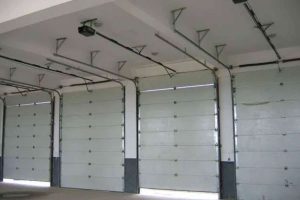
Common issues include:
Warm air entering through frequently opened doors.
Cold air escaping into surrounding areas.
Poor insulation allowing heat transfer through door panels.
Damaged seals creating gaps around the door opening.
Doors remaining open longer than necessary.
Addressing these problems can help improve the overall thermal performance of a cold storage facility.
2. Insulated Sectional Lift Doors Help Reduce Heat Transfer
One of the main benefits of insulated sectional lift doors is their ability to provide a thermal barrier between different temperature environments.
Unlike basic industrial doors, insulated sectional lift doors are constructed with panels designed to reduce the movement of heat through the door itself.
How Insulated Door Panels Work
Many sectional lift doors feature a sandwich panel construction, with an insulating core positioned between internal and external panel surfaces.
This insulating material helps slow heat transfer from warmer surrounding areas into the cold storage room.
The effectiveness of the insulation depends on the panel material, thickness, construction and overall thermal performance specifications.
For facilities that operate refrigerated storage areas, choosing panels with appropriate insulation properties can help reduce heat entering through the door.
Supporting Consistent Storage Temperatures
Maintaining stable temperatures is essential for businesses storing frozen products, fresh food, pharmaceuticals and other temperature-sensitive goods.
An insulated sectional lift door helps reduce one source of heat transfer, supporting more consistent internal conditions.
When less additional heat enters the storage area, the refrigeration system may have less work to do to maintain the required temperature.
3. Effective Door Seals Prevent Unnecessary Cold Air Loss
Even the most insulated sectional lift door can experience energy losses if it does not close properly.
Gaps around the edges of a door allow warm air to enter and cold air to escape. This can increase refrigeration demand and reduce the effectiveness of the overall insulation system.
Perimeter Sealing for Better Air Control
Quality sectional lift doors can incorporate sealing systems along the sides and top of the door opening.
These seals are designed to minimise gaps between the door and surrounding frame when closed.
By reducing unwanted air movement, perimeter seals help maintain the separation between the refrigerated environment and surrounding spaces.
Bottom Seals Help Close Floor Gaps
The bottom edge of the door is another important area to consider.
Uneven floors, worn rubber seals or incorrect door adjustments can create gaps that allow warm air infiltration.
A suitable bottom sealing system helps close the space between the door and floor, improving overall sealing performance.
Regular inspections are important to ensure these seals remain in good condition.
4. Electric Sectional Lift Doors Can Reduce Refrigeration Demand
For cold storage facilities with frequent access requirements, electric sectional lift doors can provide practical operational advantages.
Motorised operation allows employees to open and close doors conveniently, reducing the physical effort required and helping improve access efficiency.
Reducing Unnecessary Door Opening Times
The longer a cold storage door remains open, the greater the opportunity for warm air to enter and refrigerated air to escape.
Electric sectional lift doors can be configured with automatic closing functions and suitable operating controls to help reduce unnecessary opening periods.
This is particularly useful in busy warehouses where forklifts and pallet-handling equipment regularly move between refrigerated and non-refrigerated areas.
Reducing the time a door remains open can help limit air exchange and support more efficient temperature management.
Improving Daily Warehouse Productivity
Motorised doors can also improve workflow by allowing employees to operate larger doors without manual lifting.
Depending on the selected system, operation may be controlled using wall-mounted switches, remote controls or compatible access-control equipment.
For facilities with high levels of activity, this convenience can support smoother product movements and more consistent door operation.
5. Are Manual Sectional Lift Doors Also Energy Efficient?
Electric doors are not the only option for businesses looking to improve cold storage efficiency. Manual sectional lift doors can also provide effective thermal performance when designed and installed correctly.
The main difference between electric and manual systems is the operating method rather than the insulation capability.
Benefits of Manual Sectional Lift Doors
Manual sectional lift doors may be suitable for smaller cold storage rooms or areas that do not require frequent access.
Their advantages can include:
Simpler operating mechanisms.
Reduced dependence on electrical components.
Potentially lower initial equipment costs.
Practical operation in lower-traffic environments.
However, businesses should ensure that manual doors can be operated conveniently and closed securely after each use.
Choosing Between Electric and Manual Operation
The right operating system depends on the facility’s daily requirements.
Electric doors are generally more suitable for busy environments where convenient and frequent access is important. Manual doors may be sufficient for smaller facilities with less frequent movement.
Regardless of the operating method, insulation quality, sealing performance and correct installation remain essential for reducing refrigeration demand.
6. How Sectional Lift Doors Help Reduce Long-Term Operating Expenses
Refrigeration equipment can account for a significant portion of the energy consumption in cold storage facilities.
When unnecessary heat enters a refrigerated environment, cooling equipment must compensate by removing the additional thermal load.
An appropriately selected sectional lift door can help reduce some of this demand.
Reducing Additional Cooling Requirements
Insulated panels help reduce heat transfer through the door, while effective seals minimise unwanted air movement around the opening.
Together, these features can help maintain more stable internal temperatures and reduce unnecessary refrigeration workload.
The actual energy savings will depend on the facility’s operating conditions, door specifications, traffic levels and existing refrigeration system.
Supporting Equipment Efficiency
Reducing unnecessary heat entering the storage room can help refrigeration systems operate under more manageable conditions.
This may also reduce the frequency of additional cooling required to recover the desired temperature after door openings.
While a sectional lift door cannot eliminate all refrigeration costs, it can form part of a broader strategy to improve energy efficiency and manage long-term operating expenses.
7. Why Proper Installation and Maintenance Matter
Purchasing a high-quality sectional lift door is only part of the process. Correct installation and regular maintenance are equally important for ensuring the door performs as intended.
Poor installation can result in misalignment, ineffective sealing and operational problems that compromise thermal performance.
Professional Installation for Better Performance
During installation, the door must be correctly aligned with the opening, tracks and surrounding structure.
Important installation considerations include:
Correct panel positioning.
Proper track and roller alignment.
Effective perimeter sealing.
Suitable bottom seal contact.
Correct spring and operating mechanism adjustment.
Professional installation helps ensure the door closes securely and operates smoothly.
Routine Maintenance to Prevent Energy Loss
Over time, seals can deteriorate and mechanical components can wear down.
Regular inspections should include checking insulated panels, rubber seals, hinges, rollers, tracks and operating mechanisms.
For electric sectional lift doors, motors, control systems and safety devices should also be maintained according to manufacturer recommendations.
Promptly addressing damaged seals or closing problems can help prevent unnecessary air leakage and maintain reliable performance.
8. What to Consider When Choosing a Sectional Lift Door for Cold Storage
Not every industrial sectional lift door is designed for refrigerated environments. Businesses should carefully assess their requirements before selecting a suitable system.
Important Features to Look For
Consider the following factors when comparing sectional lift doors:
Insulation performance: Choose insulated panels with suitable thermal specifications for the intended cold storage application.
Sealing quality: Look for reliable side, top and bottom seals that minimise unwanted air movement.
Operating method: Decide whether electric or manual operation best suits your access frequency and workflow.
Door dimensions: Ensure the opening accommodates forklifts, pallet equipment and other handling requirements.
Durability: Select a door system designed for regular industrial use and the environmental conditions of the facility.
Maintenance support: Consider servicing requirements, replacement parts and access to qualified technicians.
Working with an experienced sectional lift door supplier can help ensure the selected product meets the facility’s operational and temperature-control requirements.
Conclusion: Can the Right Sectional Lift Door Reduce Refrigeration Costs?
Yes, choosing the right sectional lift door can contribute to lower refrigeration demand and improved energy efficiency in cold storage facilities.
Insulated panel construction helps reduce heat transfer, while effective sealing systems minimise unwanted air infiltration and cold air leakage. Electric operating systems can also help reduce unnecessary opening times in busy environments, while manual options provide a practical alternative for facilities with lower access requirements.
Although a sectional lift door alone cannot guarantee a specific reduction in electricity costs, selecting a suitable system can help address common sources of energy loss.
For businesses operating refrigerated warehouses, food storage facilities and temperature-controlled rooms, investing in a quality insulated sectional lift door is a practical step towards improving temperature stability, supporting refrigeration efficiency and managing long-term operating expenses.
Recent Comments