
Dock Shelters vs. Dock Seals: Which Is Best for Cold Storage Facilities?
Maintaining consistent temperatures is one of the biggest challenges for cold storage facilities. Whether handling frozen food, fresh produce, pharmaceuticals or other temperature-sensitive products, businesses must ensure that goods remain within the required temperature range throughout storage, loading and transportation.
One area that can significantly affect temperature control is the loading dock. Every time a refrigerated truck connects to a warehouse loading bay, gaps between the vehicle and the building can allow warm external air to enter while refrigerated air escapes. This can increase energy consumption, affect product quality and place additional pressure on refrigeration systems.
Dock shelters and dock seals are two common loading dock solutions designed to address this problem. Although both help minimise air infiltration and protect loading areas from external conditions, they operate differently and offer different advantages.
So, which option is best for cold storage facilities? Understanding the differences between dock shelters and dock seals can help businesses choose the right solution for their operational requirements.
Why Loading Dock Sealing Is Important in Cold Storage Facilities
Cold storage warehouses rely on effective insulation and refrigeration systems to maintain controlled internal temperatures. However, even a well-insulated facility can experience temperature fluctuations if loading dock openings are not properly managed.
When trucks reverse into loading bays, spaces can remain between the vehicle and the building. These gaps create opportunities for warm air, dust, moisture and external weather conditions to enter the warehouse.
This can lead to several operational challenges, including:
Increased refrigeration energy consumption.
Temperature fluctuations during loading and unloading.
Condensation and moisture accumulation.
Frost and ice formation in colder environments.
Reduced product protection.
Increased pressure on refrigeration equipment.
Installing suitable dock sealing equipment helps minimise these issues by creating a more controlled connection between the loading dock and transport vehicle.
What Are Dock Shelters?
Dock shelters are flexible structures installed around the perimeter of a loading dock opening. When a truck reverses into the loading bay, the shelter forms an enclosure around the rear of the vehicle.
They typically use durable fabric curtains, flexible frames and other materials designed to accommodate different vehicle dimensions.
Unlike dock seals, which rely on direct compression against the truck, dock shelters create a covered space around the vehicle while allowing the rear doors to open within the loading bay.
Key Benefits of Dock Shelters
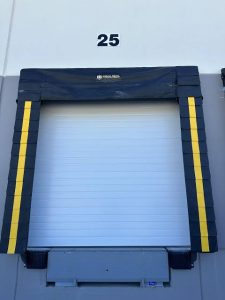
Dock shelters offer several advantages for cold storage facilities, particularly those handling different types of refrigerated transport vehicles.
1. Greater Vehicle Compatibility
Dock shelters can accommodate a wider range of truck and trailer dimensions. Their flexible design allows different vehicles to reverse into the loading bay without requiring the same level of direct compression against the vehicle body.
This makes them suitable for distribution centres and cold storage facilities that receive deliveries from multiple transport operators.
2. Improved Weather Protection
Dock shelters help protect loading activities from rain, wind and other external weather conditions.
By creating an enclosure around the vehicle, they can help prevent weather exposure from affecting goods and employees during loading and unloading.
3. Reduced Air Infiltration
Although they do not create a completely airtight connection, appropriately selected dock shelters can help reduce the exchange of warm and cold air around the loading bay.
This can support temperature management and reduce unnecessary refrigeration losses.
4. Flexible Loading Operations
Because dock shelters can accommodate different vehicle sizes, they offer flexibility for facilities with changing transport requirements.
This is particularly beneficial for warehouses handling frequent deliveries from multiple suppliers and logistics providers.
What Are Dock Seals?
Dock seals are designed to create a tighter connection between the loading dock opening and the rear of a transport vehicle.
They typically consist of foam-filled pads covered with durable protective materials. When a truck reverses into the loading bay, these pads compress against the rear of the vehicle to reduce gaps around the loading opening.
Dock seals are commonly used in facilities where vehicles have relatively consistent dimensions.
Key Benefits of Dock Seals
Dock seals can provide several advantages for refrigerated warehouses where temperature control is a major priority.
1. Tighter Sealing Performance
Dock seals use compression to create a close fit around the rear of a truck.
When correctly matched to vehicle dimensions, they can significantly reduce gaps between the vehicle and the loading dock opening.
This helps limit unwanted air exchange and supports more consistent temperature conditions.
2. Improved Thermal Efficiency
Reducing air infiltration can help minimise the amount of warm external air entering a refrigerated facility.
This may reduce the workload placed on refrigeration systems and contribute to improved energy efficiency.
3. Protection Against External Contaminants
Dock seals help limit the entry of dust, dirt, insects and other external contaminants during loading operations.
This can be particularly valuable for food processing, pharmaceutical storage and other facilities with strict hygiene requirements.
4. Suitable for Consistent Vehicle Fleets
Dock seals are particularly effective when a facility regularly handles vehicles with similar rear dimensions.
A consistent vehicle fleet makes it easier to select dock seals that provide an appropriate fit and reliable sealing performance.
Dock Shelters vs. Dock Seals: Understanding the Main Differences
Although both systems are designed to improve loading dock protection, their construction and operating methods make them suitable for different applications.
Design and Construction
Dock shelters generally feature flexible curtains supported by a frame surrounding the loading dock opening. They create an enclosure around the rear of the vehicle while allowing access to the truck doors.
Dock seals use compressible pads that make direct contact with the vehicle. Their effectiveness depends on achieving a suitable fit between the truck and the loading dock.
Vehicle Compatibility
Dock shelters are generally more flexible when accommodating different vehicle sizes and configurations.
Dock seals are usually better suited to facilities with a relatively consistent fleet because significant variations in vehicle dimensions can affect the sealing performance.
Temperature Control
Both systems help reduce air infiltration and support temperature management.
However, dock seals can provide a tighter connection when vehicles are correctly matched to the equipment. Dock shelters provide greater flexibility while still offering valuable protection against external conditions.
The best choice depends on the facility’s temperature requirements, vehicle fleet and loading dock configuration.
Operational Flexibility
Dock shelters are often preferred by distribution facilities that handle different types of trucks and trailers.
Dock seals are more suitable for facilities where vehicle dimensions remain relatively consistent and tighter sealing is a priority.
Which Is Best for Cold Storage Facilities?
There is no single solution that suits every refrigerated warehouse. The right choice depends on how the facility operates, the types of vehicles it receives and the level of temperature control required.
When to Choose Dock Shelters
Dock shelters may be the better option for facilities that:
Handle trucks and trailers with varying dimensions.
Receive deliveries from multiple transport operators.
Require flexibility across different loading bays.
Need protection against rain, wind and external weather.
Experience frequent changes in vehicle types.
For large distribution centres with diverse transport fleets, dock shelters can provide a practical balance between flexibility and environmental protection.
When to Choose Dock Seals
Dock seals may be the preferred option for facilities that:
Handle vehicles with consistent rear dimensions.
Require a tighter connection around loading dock openings.
Prioritise reducing warm air infiltration.
Operate under demanding refrigeration requirements.
Need additional protection against dust and external contaminants.
Facilities handling frozen products or other temperature-sensitive goods may benefit from dock seals where vehicle compatibility allows an effective fit.
Other Factors to Consider Before Choosing a Dock Sealing System
Selecting between dock shelters and dock seals involves more than comparing their basic features. Businesses should assess several operational factors before making an investment.
Temperature Requirements
Consider whether the facility handles chilled goods, frozen products or multiple temperature-controlled product categories.
Different applications have different thermal requirements, so the selected system should complement the warehouse’s overall refrigeration and insulation strategy.
Vehicle Dimensions and Loading Frequency
Review the dimensions of trucks and trailers regularly using the facility. Vehicle height, width and rear door configurations can influence the effectiveness of a dock shelter or seal.
Loading frequency is also important. Busy loading bays may require equipment constructed from durable materials that can withstand repeated vehicle contact.
Maintenance and Durability
Both dock shelters and dock seals experience regular wear due to vehicle movements and environmental exposure.
Businesses should consider material quality, ease of inspection, replacement requirements and ongoing maintenance costs.
Regular inspections can help identify damaged curtains, worn pads and other issues that may reduce sealing performance.
Integration with Other Loading Dock Equipment
Dock shelters and seals work best when considered alongside other loading dock components.
Insulated industrial doors, high-speed doors, dock levellers and vehicle restraint systems can complement dock sealing equipment to create a more efficient and controlled loading environment.
An integrated approach helps address temperature management, vehicle positioning, material handling and workplace safety.
Conclusion: Choosing the Right Dock Solution for Better Cold Storage Performance
Both dock shelters and dock seals offer valuable benefits for cold storage facilities. However, the best option depends on the specific requirements of the warehouse and its refrigerated transport operations.
Dock shelters provide greater flexibility for facilities handling different vehicle sizes, while dock seals offer a closer fit for businesses working with more consistent truck dimensions.
For cold storage operators, the priority should be selecting a solution that minimises unwanted air exchange, supports temperature consistency and accommodates daily loading requirements.
By assessing vehicle compatibility, refrigeration needs, loading frequency and equipment durability, businesses can make a more informed investment.
Ultimately, the right dock sealing solution can help improve cold chain efficiency, reduce unnecessary energy losses and create a more controlled environment for temperature-sensitive products.
Explore more: dock seals and loading docks
- Understanding Inflatable Dock Seals
- How do you measure for loading dock seals?
- What are dock seals made of?
- How Inflatable Dock Seals Reduce Energy Costs Year-Round
- How Inflatable Dock Seals Help Meet Food Safety Standards
- Best Dock Sealing Solutions for Refrigerated Warehouses
- Why Cold Storage Facilities Need Inflatable Dock Seals
- Choosing the Right Loading Dock Solutions for Refrigerated Transport Facilities
Planning a project? See our Tretight Inflatable Dock Seals page, or contact Commercial & General Coolrooms for advice and a quote.
Recent Comments