
Chill Smart: Why Insulated Curtains Matter in Cold Storage Rooms
In modern cold storage applications—from food warehouses to pharmaceutical freezers—maintaining precise and consistent temperature control is essential. One effective, yet often overlooked, tool in the preservation toolkit is the insulated curtain. Used as flexible barriers at doorways and zone interfaces, these curtains provide robust temperature control, hygiene enhancement, and operational efficiency. This comprehensive guide explores why insulated curtains are a smart investment for cold storage rooms.
What Are Insulated Curtains for Cold Storage?
Definition and Construction
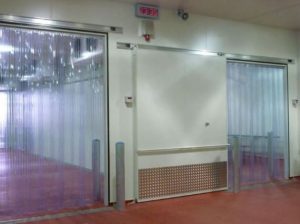
Insulated curtains, also referred to as cold room curtains or freezer flaps, are flexible barrier systems made of materials like PVC, vinyl, laminated fabrics, or foam cores. They come in various types—PVC strip doors for frequent access, heavily insulated foam-backed curtains for deep freeze environments, and multi-layer industrial curtain walls with high R‑values like R‑25
Designed to act as secondary seals, these curtains are installed across door openings or internal partitions to prevent thermal bridging and air exchange without disrupting workflow
Key Types of Cold Storage Curtains
PVC Strip Curtains: Flexible strips overlap to reduce thermal exchange. Ideal for moderate cold rooms and high-traffic applications
Insulated Fabric or Foam Curtains: Thicker curtains with multi-layer insulation or foam cores provide superior temperature retention—even for freezer-level applications
Industrial Insulated Curtain Walls: Modular panels designed for warehouse use, offering R-values ranging from R‑4 to R‑25 and capable of handling large temperature differences
Why They Matter in Cold Storage Rooms
1. Energy Efficiency & Cost Reduction
Every opening of a cold storage door leads to warm air entering and cooled air escaping—forcing chillers to work harder. Insulated curtains cut this thermal exchange dramatically. Depending on the model and environment, they can reduce energy consumption by 25–40%
This energy saving translates to lower utility bills and delayed wear on refrigeration systems—further reducing downtime and maintenance costs
2. Temperature Stability and Quality Control
Cold storage often carries strict requirements: meat, dairy, vaccines, and pharmaceuticals must remain within tightly regulated temperature bands. Insulated curtains help maintain these bands by creating a “cold lock” that minimizes temperature fluctuations, preserving product integrity
High-performance industrial curtain walls offer R-values up to R‑25, capable of maintaining internal temperatures even during frequent door activity
3. Hygiene and Contamination Control
Cold storage facilities are often subject to dust, pests, and airborne pathogens. Insulated curtains form physical barriers against these contaminants. Many options use food-grade materials and meet hygiene standards like HACCP or FDA—making them suitable for food, pharma, and laboratory use
4. Workflow Efficiency and Safety
Unlike rigid steel doors, insulated curtains allow quick, unhindered access for forklifts, carts, and personnel. Vinyl strips and sliding curtain walls can be traversed quickly, boosting productivity and reducing delays. Many industrial systems feature vision panels to improve visibility and reduce collision risks
Additional Advantages
Reduced Wear on Refrigeration Equipment
Frequent temperature fluctuations force chillers to cycle on and off more often, increasing mechanical stress. By stabilizing internal temperatures, insulated curtains help prolong the lifespan of refrigeration compressors and fans
Condensation and Ice Control
Warm, humid air brings moisture into cold environments, which condenses and freezes—causing slippery surfaces and potential hazards. Curtains limit air penetration, reducing condensation and ice buildup
Modular Design & Adaptability
Industrial curtain walls like FlexTherm® and AmCraft’s modular panels allow facilities to reconfigure zones quickly—ideal for seasonal changes or shifts in workflow—without requiring permanent construction
Durability and Longevity
These curtains are designed for industrial wear. Products like MT Cold Stop® can last 5–6 times longer than standard PVC strip curtains, reducing long-term replacement costs. High-grade vinyl and aluminum hardware resist chemicals, UV, and abrasion
Choosing the Right Insulated Curtain
1. Match Curtain Type to Environment
PVC Strips: Best for moderate cooled rooms with high traffic.
Polar-Grade PVC: Flexible in freezers down to –40 °C
Foam-Insulated or Panel Curtains: Ideal for deep freeze applications or high R-value needs
2. Prioritize R-Value and Climate Separation
Choose higher R-values (up to R‑25) for environments with larger temperature differentials, keeping energy efficiency and internal stability in mind
3. Consider Installation and Maintenance
Ensure precise fit for effective sealing. PVC strips should overlap by at least 50mm. Foam curtains may require sliding hardware. Regularly inspect for wear and perform replacements as needed
4. Health, Safety, and Compliance
Use food-grade materials and specify anti-microbial or anti-static versions for pharmaceutical or electronics use. Look for certifications like HACCP, FDA, or EN/ISO standards
5. Visibility and Worker Safety
Incorporate transparent panels or tinted PVC to improve sightlines and safety—crucial in busy loading zones .
Real-World Examples and Best Practices
MT Cold Stop® Insulated Curtain
MT Cold Stop® curtains offer 25–33% energy savings, slide freely, and outlast strip curtains by 5–6×; they include clear panels to enhance safety .
FlexTherm® Panel Walls
These modular curtain panels offer R-values from 5.0 to 9.5, feature AstroFoil bubble insulation, and can be reconfigured seasonally without permits .
AmCraft’s R‑16 Semi-Rigid Curtain Walls
With R‑16 performance (50–55 °F differential), these semi-rigid barriers replicate the insulation of freezer walls while remaining movable .
Installation & Maintenance Tips
Ensure Proper Sizing and Fit
Curtains must tightly span from ceiling to floor with adequate overlap on both sides of the opening to form a thermal seal .
Maintain Daily Hygiene
Clean strips and panels routinely with mild detergent to prevent buildup, haze, and compromised insulation .
Inspect and Replace Worn Components
Establish routine inspections. Replace PVC strips or worn hardware promptly—especially in high-traffic zones—to maintain efficiency .
Consider Complementary Enhancements
Pair curtains with air curtains or HVAC controls to reduce drafts further. Air curtains reduce up to 85% of air infiltration in open entrances .
Conclusion
Insulated curtains are more than just entryway flexiblity—they are powerful tools for energy efficiency, product integrity, hygiene control, and operational safety in cold storage environments. Whether simple PVC strips or modular, multi-panel curtain systems, the right curtain can save up to 40% in energy costs, extend chiller life, and improve workplace workflow.
For any facility handling perishables or temperature-sensitive goods, investing in insulated curtains is a smart move. By selecting the correct type, ensuring proper installation, and maintaining them diligently, you’ll keep your storage “chill smart” and your bottom line healthier over the long term.
Recent Comments