
Reducing Energy Consumption in Cold Storage Operations
Cold storage facilities are among the most energy-intensive buildings in the logistics and supply chain sector. Unlike ambient warehouses, refrigeration systems must operate continuously to maintain strict temperature ranges for frozen foods, fresh produce, pharmaceuticals, and other temperature-sensitive goods. With energy costs rising and sustainability goals becoming more urgent, reducing energy consumption in cold storage operations is no longer optional—it is a strategic necessity.
By improving equipment efficiency, optimizing facility design, leveraging smart technology, and implementing operational best practices, warehouse operators can significantly reduce energy use while maintaining product integrity and regulatory compliance.
Understanding Where Energy Is Consumed
Before reducing energy consumption, operators must understand where and how energy is used within a cold storage facility.
Refrigeration Systems
Refrigeration accounts for the largest share of energy usage—often 60–75% of total facility consumption. Compressors, condensers, evaporators, and fans operate around the clock to maintain temperature stability.
Air Infiltration
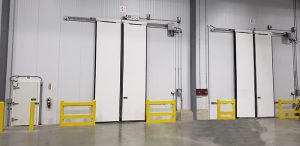
Every time a door opens, warm air enters the facility. This forces refrigeration systems to work harder to restore the desired temperature. Loading docks and high-traffic areas are particularly vulnerable to infiltration.
Lighting and Equipment
Although lighting consumes less energy than refrigeration, inefficient systems can still contribute significantly to overall costs. Material handling equipment and battery charging stations also add to total energy demand.
Conducting a detailed energy audit provides a baseline and helps identify priority areas for improvement.
Upgrade Refrigeration Systems for Maximum Efficiency
Refrigeration technology has advanced significantly in recent years. Modernizing equipment can yield substantial energy savings.
Variable Speed Compressors
Traditional compressors operate at full capacity even when demand fluctuates. Variable speed compressors adjust output based on cooling requirements, reducing unnecessary energy consumption during low-load periods.
High-Efficiency Evaporators and Condensers
Upgrading to high-efficiency heat exchange systems improves thermal transfer and reduces compressor workload. Regular cleaning of condenser coils also enhances performance and lowers energy use.
Adopt Natural Refrigerants
Natural refrigerants such as ammonia or CO₂ can improve energy efficiency while reducing environmental impact. Many modern cold storage facilities are transitioning to sustainable refrigerant options to meet regulatory and ESG goals.
Improve Insulation and Building Envelope Integrity
A well-sealed building envelope minimizes thermal loss and reduces strain on refrigeration systems.
High-Performance Insulated Panels
Insulated wall and ceiling panels with high R-values reduce heat transfer. Regular inspections ensure panels remain intact and vapor barriers are not compromised.
Floor Insulation and Vapor Barriers
In frozen facilities, inadequate floor insulation can lead to frost heave and energy loss. Proper vapor barriers prevent moisture infiltration, which can degrade insulation over time.
Seal Gaps and Joints
Small cracks or poorly sealed joints can allow warm air infiltration. Routine maintenance of seals, especially around doors and dock areas, preserves thermal integrity.
Minimize Air Infiltration
Air infiltration is one of the most preventable causes of energy waste in cold storage operations.
High-Speed Doors
Install high-speed insulated doors that open and close quickly to limit exposure time. Automated closing mechanisms prevent doors from remaining open longer than necessary.
Air Curtains and Strip Curtains
Air curtains create an invisible barrier of high-velocity air that reduces warm air entry. Strip curtains provide a cost-effective solution for internal doorways and partitioned areas.
Dock Seals and Shelters
Properly fitted dock seals prevent temperature exchange during loading and unloading. Regular inspections ensure seals remain tight and effective.
Optimize Lighting Systems
Lighting upgrades are one of the simplest and most cost-effective ways to reduce energy use.
Switch to LED Lighting
LED lights perform exceptionally well in low-temperature environments and consume significantly less energy than traditional lighting. They also produce less heat, reducing refrigeration load.
Install Motion Sensors
In low-traffic areas, motion sensors ensure lights are only on when needed. This prevents unnecessary energy use in aisles and storage zones with limited activity.
Use Smart Lighting Controls
Smart systems can adjust lighting levels based on occupancy or time of day, further improving efficiency.
Leverage Automation and Smart Technology
Technology plays a crucial role in reducing energy consumption.
Energy Management Systems (EMS)
An EMS monitors energy use in real time, identifying inefficiencies and enabling data-driven decisions. Operators can track peak demand, equipment performance, and temperature deviations from a centralized dashboard.
Warehouse Management System Integration
Integrating energy management with warehouse management systems allows optimized product placement and workflow planning. Faster product retrieval reduces door openings and refrigeration load.
Predictive Maintenance Tools
IoT sensors can detect early signs of equipment failure, such as abnormal vibration or temperature changes. Addressing issues proactively prevents energy spikes and costly downtime.
Adopt Operational Best Practices
Daily operational decisions significantly influence energy efficiency.
Implement Temperature Zoning
Segment the warehouse into zones based on product requirements. Avoid overcooling areas that do not require lower temperatures.
Practice First-In, First-Out (FIFO)
Efficient inventory rotation reduces storage time and minimizes door openings. Faster turnover decreases refrigeration demand over time.
Schedule Loading and Unloading Strategically
Consolidate shipments to reduce the frequency of dock door openings. Coordinated scheduling reduces peak cooling loads and improves overall efficiency.
Maintain Equipment Regularly
Poor maintenance increases energy consumption and shortens equipment lifespan.
Routine Inspections
Inspect compressors, fans, and motors regularly. Lubricate moving parts and replace worn components promptly.
Defrost Management
Inefficient defrost cycles can waste energy. Optimize defrost schedules based on actual frost buildup rather than fixed timers.
Clean Evaporator and Condenser Coils
Dirty coils reduce heat transfer efficiency, forcing compressors to work harder. Scheduled cleaning improves system performance.
Train Staff and Foster an Energy-Conscious Culture
Employees play a vital role in energy management.
Energy Awareness Training
Educate staff on the impact of leaving doors open or bypassing procedures. Simple behavioral changes can result in measurable energy savings.
Establish Accountability
Assign responsibility for monitoring energy performance. Regular reporting and performance reviews encourage adherence to best practices.
Incentivize Efficiency
Consider reward programs for teams that meet energy reduction targets. Engagement fosters long-term commitment to sustainability goals.
Explore Renewable Energy Solutions
Some facilities can further reduce their carbon footprint through renewable energy integration.
Solar Panel Installations
Large warehouse roofs provide ideal space for solar arrays. On-site generation offsets electricity costs and reduces reliance on grid power.
Energy Storage Systems
Battery storage allows facilities to manage peak demand charges and store excess renewable energy for later use.
Utility Incentives and Rebates
Many regions offer financial incentives for upgrading to energy-efficient equipment. Exploring available programs can significantly reduce capital investment costs.
Conclusion
Reducing energy consumption in cold storage operations requires a comprehensive approach that combines technology, infrastructure improvements, operational discipline, and employee engagement. By upgrading refrigeration systems, improving insulation, minimizing air infiltration, leveraging smart monitoring tools, and adopting efficient workflows, operators can achieve substantial cost savings without compromising product safety.
As sustainability becomes a defining factor in supply chain performance, energy-efficient cold storage facilities gain a competitive edge. Lower operational costs, reduced environmental impact, and enhanced reliability position forward-thinking operators for long-term success in an increasingly energy-conscious market.
Recent Comments