
Cold Storage Facility Life Span Explained
Cold storage facilities play a crucial role in preserving perishable goods, pharmaceuticals, and other temperature-sensitive products. Understanding the life span of these facilities is essential for businesses that rely on them for efficient inventory management and product quality. This article delves into the factors affecting the durability of cold storage facilities, how long they typically last, and ways to extend their operational life.
What Defines the Life Span of a Cold Storage Facility?
The life span of a cold storage facility refers to the period during which the facility can effectively operate while maintaining required temperature controls, structural integrity, and energy efficiency. This life span depends on multiple factors, including the quality of construction, materials used, maintenance routines, and technological upgrades.
Construction Quality and Materials
One of the most significant determinants of longevity is the quality of the building materials and construction methods. Cold storage facilities typically use insulated panels made of polyurethane or polystyrene foam sandwiched between steel or aluminum sheets. High-quality insulation reduces heat transfer, helping the facility maintain consistent temperatures with less energy consumption.
The structural framework must also withstand environmental stresses such as wind, snow loads, and seismic activity, depending on the location. Facilities built with robust foundations and corrosion-resistant materials tend to last longer.
Equipment and Technology
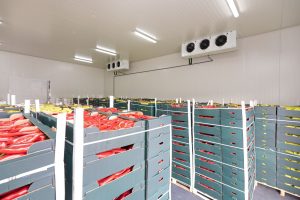
The refrigeration system and temperature control equipment are critical to the facility’s function. The life span of compressors, condensers, evaporators, and control systems can significantly impact the overall durability of the cold storage.
Technological advancements can also improve energy efficiency and reliability. Facilities that incorporate smart sensors and automated control systems often experience fewer breakdowns and more consistent performance, thereby extending their usable life.
Typical Life Span of Cold Storage Facilities
Cold storage facilities generally have a life span ranging from 20 to 40 years. However, this is a broad range influenced by various internal and external factors.
Short-Term Life Span (Up to 20 Years)
Facilities constructed with budget materials, minimal insulation, or older refrigeration technologies often fall into this category. Lack of regular maintenance or exposure to harsh environmental conditions can also shorten the life span.
Medium-Term Life Span (20 to 30 Years)
Most well-built cold storage facilities fall within this range. They usually incorporate standard insulation, modern refrigeration equipment, and benefit from regular upkeep. These facilities can maintain optimal performance if periodic upgrades and repairs are undertaken.
Long-Term Life Span (30 to 40+ Years)
With premium construction materials, advanced technology, and rigorous maintenance schedules, some cold storage facilities last 30 years or more. They often undergo renovations or retrofits during their operational life to replace aging components and improve energy efficiency.
Factors Affecting Cold Storage Facility Longevity
Multiple factors can either extend or reduce the life span of a cold storage facility. Understanding these can help facility managers make informed decisions about maintenance and upgrades.
Environmental Conditions
Climate plays a significant role. Facilities in harsh weather conditions—extreme heat, cold, humidity, or coastal environments with salty air—experience more wear and tear. For instance, coastal facilities require corrosion-resistant materials and frequent inspections to prevent rust and damage.
Maintenance Practices
Regular inspection, cleaning, and preventive maintenance are vital. Refrigeration equipment, seals, insulation, and structural elements must be checked frequently. Neglecting these can lead to energy inefficiency, temperature fluctuations, and eventual breakdowns.
Usage Patterns
How the facility is used also matters. Facilities with high turnover rates, frequent loading and unloading, or those storing corrosive substances may experience faster degradation. Proper handling procedures and employee training can mitigate some of these impacts.
Technological Upgrades
Periodic upgrades to refrigeration technology, insulation materials, and automation systems can significantly extend the operational life. Retrofitting an older facility with modern equipment often improves energy efficiency and reduces the risk of sudden failures.
Signs That a Cold Storage Facility Is Nearing the End of Its Life
Recognizing early signs of aging can help prevent costly failures and downtime.
Frequent Equipment Breakdowns
If compressors or cooling units fail more often, it’s a sign the refrigeration system is aging and may need replacement.
Inconsistent Temperature Control
Fluctuating temperatures can spoil stored goods and indicate insulation degradation or control system malfunctions.
Increased Energy Consumption
Rising energy bills without increased usage often point to inefficiencies caused by aging components.
Structural Wear and Tear
Visible cracks, rust, or damage to panels and foundations suggest the facility’s structural integrity is compromised.
How to Extend the Life Span of Your Cold Storage Facility
With proper care and investment, you can maximize your cold storage’s operational life.
Implement a Regular Maintenance Schedule
Routine inspections and preventive maintenance on refrigeration units, insulation, and structural components help detect and fix issues early.
Invest in Upgrades
Upgrade to energy-efficient compressors, modern insulation materials, and automated control systems to enhance performance and reduce wear.
Protect Against Environmental Damage
Use corrosion-resistant coatings, weatherproof seals, and design features suited to your local climate.
Train Staff Properly
Ensure employees understand proper loading, unloading, and handling to minimize physical damage to the facility.
Conclusion
The life span of a cold storage facility is influenced by multiple factors, including construction quality, equipment technology, maintenance practices, and environmental conditions. While most facilities last between 20 and 40 years, regular upkeep and timely upgrades can extend their operational life significantly. Understanding these dynamics enables facility managers to plan better, avoid unexpected failures, and protect their investments.
Recent Comments