
How to Save Money When Renting Cold Storage Facilities
Renting cold storage facilities is essential for many businesses handling perishable goods such as food, pharmaceuticals, and chemicals. However, the costs associated with cold storage can be substantial due to specialized equipment, energy consumption, and strict regulatory requirements. For businesses looking to optimize expenses, saving money on cold storage rentals is crucial. This article offers practical strategies and insights on how to save money when renting cold storage facilities without compromising on quality or compliance.
Understanding Cold Storage Rental Costs
Before exploring ways to save money, it’s important to understand what factors drive the costs of renting cold storage facilities. Rental fees typically include base rent, energy surcharges, handling fees, and sometimes additional charges for specialized services.
Key Cost Drivers in Cold Storage Rentals
- Temperature Requirements: Facilities maintaining lower temperatures (e.g., frozen storage) generally cost more due to higher energy consumption and equipment needs.
- Space and Volume: Larger space requirements or higher volume of goods stored often increase rental costs, but may offer some discounts through economies of scale.
- Location: Warehouses in high-demand or urban areas usually command higher rents than those in less central locations.
- Duration of Rental: Long-term contracts may come with discounted rates, whereas short-term or flexible rentals might cost more per unit of time.
- Additional Services: Handling, packaging, and value-added services such as inventory management or order fulfillment often add to overall expenses.
Effective Strategies to Save Money When Renting Cold Storage
With a clear understanding of cost drivers, businesses can adopt several strategies to reduce their cold storage rental expenses effectively.
1. Choose the Right Temperature Zone
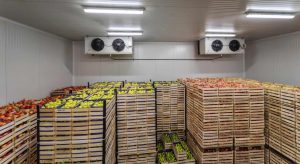
One of the simplest ways to save on cold storage rental costs is to carefully evaluate the temperature requirements of your products. For example, chilled storage (2°C to 8°C) typically costs less than frozen storage (-18°C or lower). Renting space in the appropriate temperature zone rather than unnecessarily opting for colder conditions can reduce energy surcharges and rental fees.
Tip: Conduct a product temperature audit to classify your inventory accurately and avoid overpaying for colder storage than needed.
2. Optimize Your Storage Space Usage
Maximizing the use of rented space can lower overall costs. Instead of renting more square footage than necessary, businesses should focus on efficient storage solutions.
- Use Vertical Space: Invest in pallet racking or shelving systems that utilize vertical height effectively to store more products within the same footprint.
- Regularly Review Inventory Levels: Avoid overstocking by maintaining just-in-time inventory strategies that reduce storage duration and space requirements.
3. Negotiate Flexible Lease Terms
Many cold storage providers offer flexible leasing options, especially if you’re open to longer commitments or seasonal fluctuations.
- Long-Term Contracts: Negotiate discounts by committing to longer lease terms.
- Seasonal Flexibility: For businesses with seasonal peaks, negotiate options to scale space up or down to avoid paying for unused capacity.
- Bundled Services: Bundle warehousing with transportation or handling services to negotiate better overall rates.
4. Choose Location Wisely
Location impacts rental costs significantly. Facilities located near major transport hubs or urban centers typically charge more due to convenience, but depending on your logistics needs, opting for warehouses slightly further away can reduce costs.
Considerations: Balance cost savings with transportation expenses—sometimes cheaper storage further away can lead to higher shipping costs.
5. Leverage Technology and Automation
Some cold storage providers use advanced warehouse management systems (WMS) and automation to optimize space utilization and reduce labor costs. Partnering with such providers can indirectly save money by reducing handling fees and improving inventory accuracy.
Tip: Inquire about the provider’s technology capabilities and whether those can lead to cost reductions for your business.
Additional Tips to Lower Cold Storage Rental Expenses
Monitor Energy Efficiency
Energy costs are a major component of cold storage expenses. While you may not directly control the facility’s energy consumption, selecting warehouses with energy-efficient refrigeration systems can lower surcharges.
- Ask providers about their energy-saving measures, such as LED lighting, high-quality insulation, and variable speed drives on refrigeration units.
- Consider facilities with renewable energy integration, which may offer lower or more stable rates.
Plan Inventory Turnover Carefully
The longer products stay in cold storage, the higher your rental and energy costs. Improving inventory turnover by better demand forecasting and supply chain coordination can reduce storage time and associated expenses.
Utilize Third-Party Logistics (3PL) Providers
3PL providers often have multiple cold storage locations and can negotiate better rental rates due to volume. Outsourcing cold storage needs to a 3PL can reduce costs related to direct facility rental, staffing, and maintenance.
Regularly Review Your Contract and Usage
Business needs evolve, and so should your cold storage strategy. Regularly review your rental contract and storage utilization to identify opportunities for renegotiation or downsizing.
Common Mistakes to Avoid When Renting Cold Storage
Overestimating Storage Needs
Renting excessive space “just in case” can lead to unnecessarily high costs. Accurate forecasting and inventory planning help avoid overpayment.
Ignoring Hidden Fees
Always read contracts carefully to identify extra fees for energy surcharges, handling, security, or temperature monitoring. These can significantly add to your total costs.
Neglecting Facility Condition and Compliance
Choosing a facility solely based on cost can backfire if it doesn’t meet regulatory or quality standards, leading to product losses or penalties.
Conclusion
Renting cold storage facilities involves various costs, but with strategic planning, businesses can significantly reduce expenses. Key approaches include choosing the right temperature zone, optimizing storage space, negotiating flexible lease terms, selecting locations wisely, and leveraging technology. Additionally, focusing on energy efficiency, inventory turnover, and partnering with 3PL providers can create further savings. Avoid common pitfalls like overestimating space and overlooking hidden fees to ensure cost-effective and reliable cold storage solutions. By applying these best practices, companies can maintain product quality while optimizing their cold storage budgets.
Recent Comments