
Smart Temperature Control Systems for Modern Cold Storage Rooms
Cold storage rooms play a critical role in preserving perishable goods across industries such as food and beverage, pharmaceuticals, agriculture, and logistics. As product value and regulatory pressure increase, maintaining precise and consistent temperatures is no longer optional—it is essential. Smart temperature control systems have emerged as a game-changing solution, combining automation, real-time monitoring, and data intelligence to meet the demands of modern cold storage operations. Smart Temperature Control Systems for Modern Cold Storage Rooms
This article explores how smart temperature control systems work, their core components, benefits, and why they are becoming the standard for modern cold storage rooms.
The Importance of Temperature Control in Cold Storage
Temperature is the single most important factor affecting product integrity in cold storage environments. Even minor fluctuations can lead to spoilage, reduced shelf life, safety risks, and regulatory non-compliance.
Consequences of Poor Temperature Control
Inadequate temperature control can cause a range of operational and financial issues, including:
Product degradation or spoilage
Increased energy consumption
Equipment strain and premature failure
Regulatory violations and failed audits
Loss of customer trust and brand reputation
Traditional temperature control methods often rely on manual checks or basic thermostats, which are insufficient for today’s complex storage requirements. This is where smart temperature control systems provide a major advantage.
What Are Smart Temperature Control Systems?
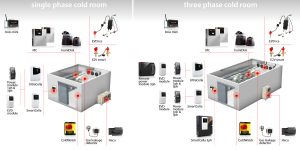
Smart temperature control systems use advanced sensors, automation, connectivity, and software analytics to maintain precise environmental conditions inside cold storage rooms. Unlike conventional systems, they actively adapt to changing conditions in real time rather than reacting after problems occur.
Core Features of Smart Systems
Smart temperature control systems typically include:
High-accuracy temperature sensors
Automated control algorithms
Real-time data collection and monitoring
Remote access and alerts
Integration with refrigeration and building management systems
Together, these components create a responsive and intelligent temperature management ecosystem.
Key Components of Smart Temperature Control Systems
Understanding the core components helps explain why these systems are more reliable and efficient than traditional solutions.
Advanced Temperature Sensors
Modern cold storage rooms rely on digital sensors capable of detecting minute temperature changes across different zones. These sensors are strategically placed to eliminate blind spots and ensure uniform cooling throughout the space.
Central Control Units
The control unit acts as the brain of the system. It collects sensor data, compares it to predefined setpoints, and makes automated adjustments to refrigeration equipment, airflow, and defrost cycles.
Connectivity and IoT Integration
Internet of Things (IoT) connectivity allows smart temperature control systems to transmit data to cloud-based platforms. This enables remote monitoring, system updates, and centralized management across multiple facilities.
Software and Analytics Platforms
Software dashboards provide operators with real-time visibility, historical data, and performance analytics. These insights help identify inefficiencies, predict failures, and optimize temperature control strategies.
Benefits of Smart Temperature Control in Cold Storage Rooms
The adoption of smart systems offers both operational and strategic advantages.
Improved Temperature Accuracy and Stability
Smart systems maintain tighter temperature tolerances, reducing fluctuations that can damage sensitive products. This is especially critical for pharmaceuticals, frozen foods, and biologics.
Reduced Energy Consumption
By adjusting cooling output based on real-time demand, smart temperature control systems reduce unnecessary energy use. Optimized compressor cycles, fan speeds, and defrost timing translate directly into lower utility costs.
Real-Time Monitoring and Alerts
Continuous monitoring allows facility managers to respond instantly to deviations. Automated alerts notify teams of potential issues before they escalate into costly failures.
Enhanced Compliance and Traceability
Many industries require detailed temperature records for audits and inspections. Smart systems automatically log data, simplifying compliance with food safety standards, pharmaceutical regulations, and quality assurance programs.
Smart Temperature Control and Automation
Automation is a defining feature of modern cold storage rooms.
Adaptive Control Algorithms
Smart systems use algorithms that learn from operating conditions, such as door openings, product load changes, and external temperatures. This allows them to proactively adjust settings rather than relying on static configurations.
Integration with Refrigeration Systems
Smart temperature control systems can integrate directly with compressors, evaporators, and variable-speed drives. This ensures coordinated operation, improved efficiency, and reduced mechanical stress.
Remote Management and Multi-Site Control
For companies operating multiple cold storage facilities, centralized control is a major advantage.
Cloud-Based Dashboards
Operators can monitor temperatures, energy usage, and system health across multiple locations from a single interface. This reduces the need for on-site inspections and improves response times.
Predictive Maintenance Capabilities
By analyzing performance trends, smart systems can identify early warning signs of equipment failure. Predictive maintenance reduces downtime, repair costs, and unexpected disruptions.
Challenges and Considerations
While smart temperature control systems offer significant benefits, successful implementation requires careful planning.
Initial Investment Costs
Smart systems typically involve higher upfront costs than traditional controls. However, energy savings, reduced waste, and improved efficiency often deliver a strong return on investment over time.
System Integration and Training
Facilities must ensure compatibility with existing refrigeration equipment and provide adequate training for staff. User-friendly interfaces and proper onboarding help maximize system effectiveness.
The Future of Smart Temperature Control in Cold Storage
As technology continues to evolve, smart temperature control systems will become even more powerful.
Artificial Intelligence and Machine Learning
AI-driven systems will further enhance predictive capabilities, optimizing temperature control based on usage patterns, weather forecasts, and operational schedules.
Sustainability and Environmental Impact
Improved efficiency and reduced energy consumption support sustainability goals. Smart temperature control systems help facilities lower carbon emissions while maintaining high performance standards.
Conclusion
Smart temperature control systems are transforming modern cold storage rooms by delivering precision, efficiency, and reliability. Through advanced sensors, automation, real-time monitoring, and data-driven insights, these systems address the limitations of traditional temperature management methods.
As cold storage demands grow and regulations become more stringent, investing in smart temperature control is no longer just an upgrade—it is a strategic necessity. Facilities that adopt these technologies position themselves for improved product quality, reduced operational costs, and long-term operational resilience.
Recent Comments