
Cost Breakdown of Building a Cold Storage Warehouse in 2026
Building a cold storage warehouse in 2026 is a major infrastructure investment that requires careful planning, budgeting, and long-term operational forecasting. As global demand for temperature-sensitive goods continues to rise—especially in food distribution, pharmaceuticals, and e-commerce—the need for efficient cold storage facilities is stronger than ever. However, the cost of building and operating these facilities is significantly higher than traditional warehouses due to specialized construction, refrigeration systems, and energy requirements.
This article breaks down the major cost components involved in developing a cold storage warehouse in 2026, helping investors, developers, and operators understand where the money goes and how to plan effectively.
1. Land Acquisition and Site Preparation
The first major cost in building a cold storage warehouse is securing and preparing the land. Location plays a critical role in determining both upfront and long-term operational costs.
Land purchase or lease costs
Land prices vary widely depending on proximity to urban centers, transport hubs, and industrial zones. Facilities closer to ports, highways, or major cities are more expensive but offer significant logistical advantages. In 2026, industrial land prices continue to rise in high-demand logistics corridors, making location strategy a key financial decision.
Site preparation and groundworks
Cold storage warehouses require reinforced foundations to support heavy insulation panels, refrigeration systems, and racking structures. Groundworks may include leveling, soil stabilization, drainage systems, and utility connections. These preparatory steps can account for a substantial portion of initial capital expenditure.
Zoning and permits
Depending on the region, developers may need to obtain zoning approvals, environmental clearances, and construction permits. These regulatory processes can add both time and cost to the project, especially in regions with strict environmental regulations.
2. Building Structure and Insulation Costs
The physical structure of a cold storage warehouse is significantly more expensive than a standard warehouse due to insulation and temperature control requirements.
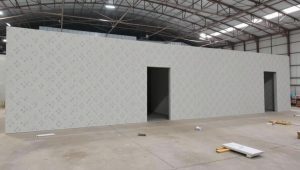
Specialized insulation materials
Cold storage facilities require high-performance insulated panels for walls, ceilings, and floors. These materials are designed to minimize heat transfer and maintain stable internal temperatures. The thicker and more efficient the insulation, the higher the cost—but also the lower long-term energy consumption.
Reinforced structural design
Because cold storage warehouses often support heavy refrigeration systems and racking for dense storage, they require reinforced steel or concrete structures. These materials increase durability but also significantly raise construction costs.
Thermal flooring systems
Floors in cold storage facilities often include heating systems to prevent freezing and cracking. Installing these systems adds complexity and expense but is essential for maintaining structural integrity and operational safety.
3. Refrigeration Systems and Temperature Control
Refrigeration is the heart of any cold storage warehouse and typically represents one of the largest cost categories.
Industrial refrigeration units
Large-scale compressors, evaporators, and condensers are required to maintain consistent temperatures across multiple zones. The size and complexity of these systems depend on storage capacity and temperature requirements (e.g., chilled vs frozen storage).
Multi-zone temperature control
Modern warehouses often require multiple temperature zones to store different products such as dairy, meat, pharmaceuticals, and frozen goods. Each zone requires independent cooling systems, increasing installation and maintenance costs.
Backup and redundancy systems
To prevent product loss during power outages or system failures, facilities invest in backup generators and redundant cooling systems. While expensive, these systems are essential for risk mitigation and compliance with industry standards.
4. Automation and Warehouse Technology
In 2026, automation plays a growing role in improving efficiency and reducing labor costs in cold storage operations.
Automated storage and retrieval systems (AS/RS)
AS/RS technology allows for high-density storage and automated handling of goods. While the initial investment is high, it significantly improves space utilization and reduces manual labor requirements.
Warehouse management systems (WMS)
Digital platforms are used to track inventory, monitor temperature conditions, and optimize logistics. These systems require software licensing, integration, and ongoing maintenance costs.
IoT sensors and real-time monitoring
Temperature and humidity sensors placed throughout the facility ensure compliance and product safety. These devices feed data into centralized systems, allowing operators to respond quickly to any fluctuations.
5. Labor and Construction Costs
Labor is another significant factor in cold storage warehouse construction, especially due to the specialized nature of the work.
Skilled construction workforce
Building a cold storage facility requires contractors experienced in refrigeration systems, insulation installation, and industrial construction. Skilled labor commands higher wages than standard construction workers.
Project management and engineering
Architects, mechanical engineers, and project managers play a crucial role in designing efficient layouts and ensuring compliance with industry standards. Their expertise adds to overall project costs but is essential for operational success.
Construction timeline impact
Delays in construction can significantly increase costs due to extended labor contracts, material price fluctuations, and financing expenses. Efficient project scheduling is critical to controlling budgets.
6. Energy Systems and Sustainability Investments
Energy efficiency is both a cost driver and a long-term savings opportunity in cold storage warehouse construction.
Electrical infrastructure upgrades
Cold storage facilities require high-capacity electrical systems to power refrigeration units, lighting, and automation systems. Upgrading or installing new infrastructure can be costly, especially in remote locations.
Renewable energy integration
Many new warehouses incorporate solar panels or energy-efficient systems to reduce long-term operating costs. While upfront installation is expensive, these investments can improve sustainability and reduce reliance on grid electricity.
Energy-efficient design features
Features such as LED lighting, heat recovery systems, and advanced insulation materials help reduce long-term operational costs. However, these technologies increase initial construction expenses.
7. Compliance, Safety, and Certification Costs
Meeting regulatory requirements is essential for cold storage facilities, particularly those handling food or pharmaceuticals.
Food safety and pharmaceutical compliance
Facilities must meet strict standards regarding temperature control, hygiene, and documentation. Achieving certification often involves audits, inspections, and system upgrades.
Fire safety and emergency systems
Cold storage warehouses require specialized fire suppression systems that function effectively in low-temperature environments. These systems are more complex and costly than standard warehouse safety systems.
Ongoing compliance monitoring
Maintaining compliance requires continuous monitoring, reporting, and system validation. These operational processes contribute to both initial setup and long-term running costs.
Conclusion
The cost of building a cold storage warehouse in 2026 is influenced by multiple interconnected factors, including land acquisition, construction materials, refrigeration systems, automation, and regulatory compliance. While initial investment costs are high, these facilities play a critical role in global supply chains and offer strong long-term value when designed and operated efficiently.
By understanding each cost component in detail, developers and investors can make informed decisions, optimize budgets, and build facilities that are both cost-effective and future-ready in an increasingly temperature-sensitive global economy.
Recent Comments