
When to Replace Your Cold Storage Plastic Curtains
Cold storage plastic curtains are essential for maintaining temperature stability, improving energy efficiency, and supporting hygiene in refrigerated environments such as warehouses, food processing facilities, and freezer rooms. While they are designed to be durable and long-lasting, they do not last forever. Over time, exposure to temperature fluctuations, constant traffic, and environmental wear reduces their effectiveness.
Knowing when to replace your cold storage plastic curtains is critical. Delaying replacement can lead to higher energy costs, reduced hygiene standards, and operational inefficiencies. This guide explains the key signs that indicate replacement is needed, along with practical advice on how to evaluate curtain condition and maintain optimal performance.
Understanding the Lifespan of Cold Storage Plastic Curtains
Before identifying replacement signs, it is important to understand how long PVC strip curtains typically last and what affects their durability.
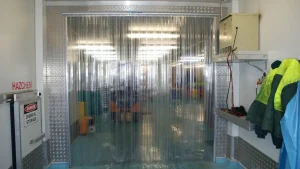
Average Lifespan
The lifespan of cold storage plastic curtains depends on usage and environment:
Light-use environments: 3–5 years
Moderate-use cold rooms: 2–3 years
High-traffic warehouses: 1–2 years
Freezer environments with extreme conditions: 1–3 years
These estimates vary based on maintenance practices and material quality.
Key Factors Affecting Durability
Several conditions influence how quickly PVC strips degrade:
Temperature extremes (especially freezing conditions)
Frequency of door usage
Exposure to forklifts or heavy equipment
Cleaning methods and chemical exposure
Humidity and condensation levels
Understanding these factors helps predict when replacement may be necessary.
Visible Signs of Wear and Damage
One of the easiest ways to determine if replacement is needed is through visual inspection.
Cracks, Tears, and Splits
Over time, PVC strips can develop physical damage such as:
Small surface cracks
Full-depth splits
Torn edges from repeated impact
These issues reduce the curtain’s ability to maintain a proper thermal barrier and should not be ignored.
Warping and Deformation
If strips begin to:
Curl at the edges
Lose their straight hanging shape
Bend permanently after impact
This indicates material fatigue and reduced flexibility.
Cloudiness and Discoloration
Clear PVC strips are designed for visibility, but they can become:
Foggy or opaque
Yellowed due to UV or chemical exposure
Stained from grease or contaminants
Loss of clarity can affect safety and visibility in busy work environments.
Reduced Temperature Control Efficiency
A key function of cold storage curtains is to maintain internal temperatures. When they start failing, performance issues become noticeable.
Increased Energy Consumption
If refrigeration systems are working harder than usual, it may be due to:
Air leakage through worn strips
Gaps between overlapping curtains
Reduced sealing effectiveness
A sudden increase in energy bills can be an early warning sign.
Temperature Fluctuations
Inconsistent internal temperatures indicate poor insulation performance. This can lead to:
Product spoilage
Reduced shelf life
Compliance issues in regulated industries
Loss of Flexibility and Material Hardening
PVC strips are designed to remain flexible, even in cold environments. When they lose this property, replacement is necessary.
Brittleness in Cold Conditions
Over time, exposure to low temperatures can cause:
Hardening of the PVC material
Cracking when strips are bent or moved
Reduced ability to return to position after use
This is especially common in freezer-grade environments.
Stiff or Non-Responsive Strips
Healthy PVC strips should:
Swing freely when pushed
Return smoothly to their original position
Overlap correctly without resistance
If they remain stiff or fail to move properly, they are no longer effective.
Hygiene and Contamination Issues
In food storage and pharmaceutical environments, cleanliness is a critical factor.
Persistent Dirt and Stains
Even after cleaning, strips may:
Retain grease buildup
Hold onto stains permanently
Develop embedded contamination
This makes proper sanitation difficult or impossible.
Mold or Odor Development
In high-moisture environments, old PVC strips can:
Develop mold growth
Retain unpleasant odors
Become a breeding ground for bacteria
At this stage, replacement is often the only safe solution.
Physical Gaps and Poor Overlap Performance
Proper overlap between strips is essential for maintaining insulation.
Permanent Gaps Between Strips
Over time, strips may:
Stretch unevenly
Fail to align properly
Create visible gaps in coverage
These gaps allow air exchange, reducing system efficiency.
Strips No Longer Returning to Position
A properly functioning curtain should close automatically after passage. If strips:
Stay open after movement
Do not overlap correctly
Require manual adjustment
This indicates material failure or mounting issues.
Frequent Repairs and Maintenance Costs
When maintenance becomes too frequent, replacement may be more cost-effective.
Increasing Replacement of Individual Strips
If you find yourself replacing strips regularly, it may indicate:
Overall system degradation
Poor material durability
End-of-life curtain system
At this stage, full replacement is often more economical.
Rising Maintenance Labor
If maintenance requires:
Frequent inspections
Constant adjustments
Repeated hardware tightening
It may be more efficient to install a new system.
Damage from Equipment and High Traffic
Industrial environments often involve heavy usage and mechanical impact.
Forklift and Pallet Jack Damage
Repeated contact from equipment can cause:
Deep cuts in PVC strips
Misalignment of hanging systems
Structural weakening of mounting rails
If damage becomes widespread, replacement is necessary.
High Pedestrian Traffic Wear
In busy areas:
Strips wear out faster
Edges become frayed
Overlap consistency is lost
This reduces both safety and efficiency.
Outdated or Incompatible Curtain Systems
Sometimes replacement is needed not due to damage, but due to system upgrades.
Changes in Temperature Requirements
If your facility upgrades:
From chilled to frozen storage
Or increases insulation requirements
Existing curtains may no longer be suitable.
Improved PVC Technology
Newer curtain materials offer:
Better cold resistance
Higher durability
Improved clarity and flexibility
Upgrading can improve performance and reduce long-term costs.
Inspection Checklist for Replacement Decision
A structured inspection can help determine whether replacement is needed.
Key Questions to Ask
Are there visible cracks or tears?
Is airflow noticeable through the curtain?
Are strips stiff or non-flexible?
Is cleaning still effective?
Are energy costs increasing?
If multiple answers are “yes,” replacement should be considered.
Benefits of Timely Replacement
Replacing cold storage curtains at the right time offers several advantages.
Improved Energy Efficiency
New curtains restore proper sealing, reducing refrigeration load and lowering electricity costs.
Better Hygiene Standards
Fresh PVC strips help maintain cleanliness and compliance in regulated industries.
Enhanced Workplace Safety
Clear, flexible curtains improve visibility and reduce accident risks.
Reduced Long-Term Costs
Timely replacement prevents escalating repair expenses and system inefficiencies.
Conclusion
Cold storage plastic curtains are essential components of temperature-controlled environments, but they do not last indefinitely. Recognizing the signs of wear—such as cracks, stiffness, poor overlap, contamination, and reduced energy efficiency—is crucial for maintaining optimal performance.
Recent Comments