
Insulation 101: How Curtains Help Keep Rooms Thermally Stable
Maintaining a consistent indoor temperature is crucial for comfort, energy efficiency, and preserving the integrity of stored goods in various environments. Insulated curtains have emerged as an effective solution to achieve thermal stability. This article delves into the science behind how curtains contribute to thermal regulation, their applications, and the benefits they offer.
Understanding Thermal Insulation in Curtains
What Are Thermal Insulated Curtains?
Thermal insulated curtains are window treatments designed to reduce heat transfer between indoor and outdoor environments. They typically consist of multiple layers, including an insulating core material sandwiched between decorative fabrics. This construction helps to trap air, providing a buffer that slows down the movement of heat. The effectiveness of these curtains is often measured by their R-value, which indicates the material’s resistance to heat flow.
How Do They Work?
Insulated curtains function by addressing the four primary modes of heat transfer: conduction, convection, radiation, and infiltration.
Conduction: Insulated curtains reduce heat transfer through direct contact by providing a barrier that slows down the flow of heat between surfaces.
Convection: By creating an air gap between the window and the room, these curtains minimize the movement of warm air rising and cold air descending, stabilizing the indoor temperature.
Radiation: The reflective layers in insulated curtains can bounce radiant heat back into the room during winter, and reflect outdoor heat away in summer, maintaining a balanced thermal environment.
Infiltration: Properly installed insulated curtains can seal gaps around windows, preventing drafts and reducing the infiltration of outside air.
Applications of Insulated Curtains
Residential Use
In homes, insulated curtains help maintain a comfortable indoor climate by reducing the workload on heating and cooling systems. They are particularly beneficial in rooms with large windows or poor insulation. By minimizing heat loss in winter and blocking heat in summer, these curtains contribute to energy savings and enhanced comfort.
Commercial and Industrial Use
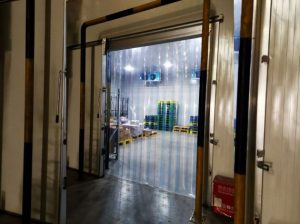
In commercial settings, such as offices and retail spaces, insulated curtains can create thermal zones, directing airflow and reducing energy costs. In industrial environments, especially in cold storage areas, insulated curtains are used to maintain specific temperature zones, ensuring the quality and safety of perishable goods. For instance, insulated curtain walls like FlexTherm® from Chase Doors provide flexible temperature control in cold storage warehouses .
Benefits of Using Insulated Curtains
Energy Efficiency
By reducing the need for constant heating or cooling, insulated curtains lower energy consumption, leading to cost savings and a reduced carbon footprint. This is particularly advantageous in climates with extreme temperatures.
Enhanced Comfort
These curtains help maintain a consistent indoor temperature, eliminating cold drafts in winter and keeping rooms cooler in summer. This creates a more comfortable living or working environment.
Protection of Furnishings
Insulated curtains can protect furniture, flooring, and artwork from UV damage and fading by blocking a significant amount of sunlight. This prolongs the life of interior decor items.
Noise Reduction
The dense materials used in insulated curtains can also dampen external noise, providing a quieter indoor environment. This is beneficial in noisy urban areas or near busy streets.
Choosing the Right Insulated Curtains
Material Composition
Look for curtains made with high-quality insulating materials such as foam, polyester, or cotton blends. The thickness and density of the material contribute to the curtain’s R-value and overall effectiveness.
Proper Fit
Ensure that the curtains cover the entire window area, including any gaps around the edges. A snug fit prevents heat loss and improves thermal performance.
Additional Features
Some insulated curtains come with added features like blackout capabilities, which can further enhance energy efficiency and provide better light control.
Conclusion
Insulated curtains are an effective and versatile solution for maintaining thermal stability in various environments. By addressing multiple modes of heat transfer, they contribute to energy efficiency, comfort, and the protection of interior spaces. Whether for residential, commercial, or industrial applications, investing in quality insulated curtains can lead to significant benefits in terms of temperature control and cost savings.
Recent Comments