
Extending the Lifespan of Cold Room Interior Walls
Cold room interior walls are constantly exposed to extreme temperature differences, moisture pressure, mechanical impact, and continuous operational stress. Whether used in food storage, pharmaceuticals, or industrial refrigeration, these environments demand wall systems that remain durable, airtight, and energy efficient over many years.
Extending the lifespan of cold room interior walls is not just about choosing the right materials—it also depends on installation quality, maintenance practices, environmental control, and operational discipline. This article explains how to maximise the durability of cold room wall systems and reduce long-term repair and replacement costs.
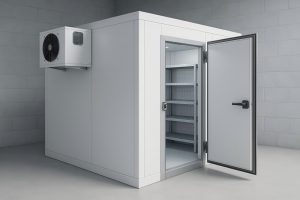
Why Cold Room Interior Walls Wear Out Over Time
Cold room walls operate in harsh conditions where both internal and external factors contribute to gradual deterioration.
Temperature Cycling Stress
Cold rooms frequently experience temperature fluctuations during operation, especially when doors are opened or products are loaded and unloaded. These cycles cause materials to expand and contract, which over time can lead to:
Joint separation
Panel warping
Seal degradation
Repeated stress is one of the main causes of long-term structural wear.
Moisture and Condensation Damage
Moisture is another major factor affecting wall lifespan. When warm air enters a cold environment, it condenses on cold surfaces. If not properly controlled, this can lead to:
Ice buildup inside wall joints
Corrosion of metal surfaces
Insulation performance loss
Structural weakening over time
Mechanical Impact and Wear
Cold rooms are often high-traffic environments. Forklifts, trolleys, and storage systems can damage wall surfaces through repeated impact. Over time, this leads to:
Surface dents and punctures
Seal damage at panel joints
Exposure of insulation materials
Choosing Durable Wall Materials for Long Lifespan
Material selection plays a major role in determining how long cold room interior walls will last.
PIR Insulated Panels – High Durability Standard
PIR (polyisocyanurate) panels are widely used in modern cold storage due to their durability and thermal efficiency.
Key benefits include:
Strong structural stability under temperature changes
Low moisture absorption
High resistance to thermal degradation
Long service life in deep freeze environments
PIR panels are often the preferred choice for facilities focused on long-term performance.
PUR Panels – Balanced Performance Option
PUR (polyurethane) panels offer good durability at a lower cost.
Characteristics include:
Reliable insulation performance
Moderate resistance to moisture and wear
Suitable for chill rooms and standard cold storage
Slightly lower lifespan than PIR in extreme conditions
Mineral Wool Panels – Fire Safety Focus
Mineral wool panels are durable in terms of fire resistance but less efficient in moisture protection.
They offer:
Excellent fire resistance
Good structural stability
Higher risk of moisture absorption if not properly sealed
These are often used in facilities where fire safety is the primary concern.
Proper Installation for Long-Term Wall Performance
Even high-quality materials will fail prematurely if installation is not done correctly.
Airtight Panel Assembly
One of the most important factors in extending wall lifespan is ensuring airtight construction. Poor sealing allows:
Moisture infiltration
Air leakage
Thermal inefficiency
This increases stress on both insulation and structural components.
Correct Joint Alignment
Misaligned panels can create weak points that deteriorate faster over time. Proper alignment ensures:
Even load distribution
Reduced mechanical stress
Improved insulation continuity
Use of High-Quality Sealants
Sealants play a critical role in protecting panel joints. Over time, low-quality sealants degrade, allowing moisture and air to enter the system. High-performance sealants help maintain long-term durability.
Environmental Control to Protect Interior Walls
Managing the internal environment of a cold room is essential for extending wall lifespan.
Controlling Humidity Levels
High humidity increases the risk of condensation, which accelerates material degradation. Effective humidity control helps:
Reduce ice formation
Prevent corrosion
Maintain insulation efficiency
Managing Door Openings
Frequent door openings allow warm air to enter the cold room. This creates thermal stress on interior walls. Reducing unnecessary door cycles helps maintain stable conditions.
Proper Air Circulation Systems
Well-designed air circulation systems prevent temperature inconsistencies inside cold rooms, reducing stress on wall surfaces.
Preventing Mechanical Damage to Interior Walls
Physical damage is one of the most preventable causes of reduced wall lifespan.
Protective Wall Guards
Installing protective barriers such as:
Bumper rails
Corner guards
Impact-resistant panels
can significantly reduce damage from forklifts and equipment.
Designated Traffic Routes
Controlling movement inside cold rooms reduces accidental impacts. Clear pathways help protect wall surfaces from repeated contact.
Storage System Planning
Proper placement of shelving and storage systems prevents direct pressure on wall panels, reducing long-term wear.
Maintenance Practices That Extend Wall Lifespan
Regular maintenance is essential for preserving cold room interior walls.
Routine Inspections
Regular inspections help identify early signs of damage such as:
Seal deterioration
Panel deformation
Moisture ingress
Surface corrosion
Early detection allows for low-cost repairs before major damage occurs.
Seal Replacement and Repairs
Seals naturally degrade over time due to temperature stress. Replacing worn seals helps maintain:
Airtight conditions
Energy efficiency
Moisture protection
Surface Cleaning and Hygiene Control
Regular cleaning prevents the buildup of contaminants that can damage wall coatings. In food and pharmaceutical environments, hygiene control is especially important.
Thermal Efficiency and Its Impact on Wall Longevity
Energy efficiency is closely linked to structural durability.
Reduced Thermal Stress
Efficient insulation reduces temperature fluctuations within wall structures, decreasing expansion and contraction cycles.
Lower Refrigeration Load
When walls perform efficiently, refrigeration systems work less intensely, reducing overall environmental stress inside the cold room.
Stable Internal Conditions
Stable temperatures and humidity levels reduce the risk of condensation and material fatigue.
Upgrading and Retrofitting Cold Room Walls
In older cold rooms, upgrading wall systems can significantly extend operational life.
Adding Additional Insulation Layers
Retrofitting insulation improves thermal performance and reduces strain on existing wall structures.
Replacing Damaged Panels
Selective replacement of damaged panels helps restore structural integrity without requiring full reconstruction.
Improving Vapor Barriers
Upgrading vapor barrier systems helps reduce moisture infiltration and improves long-term durability.
Common Mistakes That Reduce Wall Lifespan
Avoiding common mistakes is essential for long-term performance.
Poor Installation Quality
Improper installation is one of the leading causes of early wall failure.
Ignoring Minor Damage
Small cracks or seal failures can quickly escalate into major structural issues if not addressed early.
Inadequate Maintenance Scheduling
Neglecting regular maintenance leads to gradual performance loss and higher repair costs.
Best Practices for Maximising Cold Room Wall Lifespan
To ensure long-lasting performance, several best practices should be followed.
Use High-Quality Insulated Panels
Selecting durable materials such as PIR panels provides the strongest foundation for long-term performance.
Ensure Professional Installation
Expert installation ensures airtight sealing, correct alignment, and long-term structural integrity.
Implement Preventive Maintenance
Regular inspections and early repairs help prevent costly damage and extend system lifespan.
Conclusion
Extending the lifespan of cold room interior walls requires a combination of high-quality materials, precise installation, controlled environmental conditions, and ongoing maintenance. While materials like PIR and PUR panels provide strong long-term durability, their performance depends heavily on how well they are installed and maintained.
By managing moisture, reducing mechanical damage, and maintaining airtight conditions, cold storage operators can significantly increase the service life of interior wall systems. Ultimately, proactive care and smart design choices are the key to achieving long-lasting, energy-efficient, and reliable cold room performance.
Recent Comments