
The Technology Powering Today’s Cold Storage Industry
The cold storage industry has evolved significantly over the years, moving from basic refrigerated warehouses to highly advanced, technology-driven facilities. As demand increases for fresh food, pharmaceuticals, and temperature-sensitive products, businesses are relying on innovative solutions to improve efficiency, safety, and reliability. The Technology Powering Today’s Cold Storage Industry
Modern cold storage facilities are powered by a combination of automation, artificial intelligence, Internet of Things (IoT) systems, advanced refrigeration technology, and data analytics. These technologies are transforming how products are stored, monitored, and transported throughout the supply chain.
With growing pressure to reduce costs, improve sustainability, and maintain strict quality standards, technology has become an essential part of successful cold storage operations.
The Evolution of Cold Storage Technology
Traditional cold storage facilities depended heavily on manual processes, including temperature checks, inventory tracking, and equipment monitoring. While these methods provided basic functionality, they were often time-consuming and vulnerable to human error.
Today’s cold storage facilities use connected systems that provide real-time visibility into every aspect of warehouse operations. Digital monitoring tools allow operators to track temperatures, manage inventory, optimize energy use, and respond quickly to potential issues.
This shift toward smarter technology has created more efficient cold storage environments capable of handling complex supply chain demands.
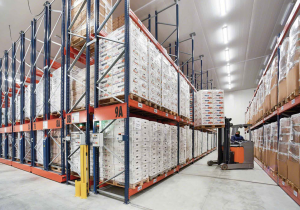
From Refrigerated Warehouses to Smart Facilities
The modern cold storage facility is no longer just a temperature-controlled building. It is an interconnected ecosystem where machines, sensors, software, and employees work together to improve performance.
Smart facilities use advanced technology to automate routine tasks and provide valuable operational insights. This allows businesses to reduce waste, increase productivity, and maintain better control over their stored products.
Internet of Things (IoT) and Real-Time Monitoring
One of the most important technologies transforming cold storage is the Internet of Things (IoT). IoT systems use connected sensors and devices to collect and share information throughout the facility.
In cold storage environments, IoT sensors can monitor temperature, humidity, air quality, equipment performance, and energy consumption. This data is continuously collected and analyzed, providing operators with a complete view of facility conditions.
Improving Temperature Control and Product Safety
Temperature control is critical in cold storage operations. Small temperature changes can affect product quality, reduce shelf life, and create safety concerns.
IoT-enabled monitoring systems provide real-time alerts when temperatures move outside acceptable limits. Instead of discovering problems during manual inspections, facility managers can receive immediate notifications and take action before products are affected.
This technology is especially valuable for industries such as food distribution and pharmaceuticals, where maintaining precise conditions is essential.
Remote Facility Management
Connected monitoring systems also allow managers to oversee cold storage operations remotely. Whether checking equipment performance or reviewing temperature data, operators can access important information from anywhere.
Remote management improves response times and helps businesses maintain consistent operating standards across multiple facilities.
Automation and Robotics in Cold Storage Operations
Automation has become a major driver of efficiency in the cold storage industry. Many facilities are adopting automated systems to improve productivity, reduce labor demands, and increase accuracy.
Cold environments can be challenging workplaces, and automation helps reduce the amount of time employees spend performing repetitive or physically demanding tasks.
Automated Storage and Retrieval Systems
Automated storage and retrieval systems (AS/RS) are changing how products are stored and accessed. These computer-controlled systems use robotic equipment to place and retrieve inventory with minimal human involvement.
AS/RS technology allows facilities to store more products in less space by using vertical storage solutions and reducing the need for large aisles.
For cold storage operators, this creates significant advantages because refrigerated space is expensive to build and maintain. Better space utilization helps reduce operational costs while increasing storage capacity.
Robotic Picking and Material Handling
Robotics are also improving order fulfillment processes. Automated machines can move products, organize inventory, and assist with picking and packing operations.
These systems increase accuracy and speed while reducing the risk of errors. As e-commerce and direct-to-consumer food delivery continue to grow, robotics will play an increasingly important role in meeting customer expectations.
Artificial Intelligence and Data Analytics
Artificial intelligence (AI) and data analytics are helping cold storage operators make smarter decisions. These technologies analyze large amounts of operational information to identify trends, predict problems, and improve efficiency.
AI systems can evaluate everything from energy usage patterns to equipment performance, helping businesses optimize their operations.
Predictive Maintenance Technology
Refrigeration equipment is one of the most important components of any cold storage facility. Equipment failures can lead to product loss, costly repairs, and operational disruptions.
Predictive maintenance technology uses sensors and AI algorithms to identify early warning signs of equipment problems. Instead of waiting for a breakdown, maintenance teams can address issues before they become serious.
This proactive approach reduces downtime, extends equipment lifespan, and improves overall reliability.
Smarter Inventory Management
Data analytics also improves inventory management by providing detailed information about product movement, storage conditions, and demand patterns.
Businesses can use these insights to reduce waste, improve stock rotation, and ensure products are shipped at the right time.
Advanced Refrigeration Systems
Refrigeration technology continues to be a key area of innovation within the cold storage industry. Modern refrigeration systems are designed to provide better temperature control while using less energy.
Advanced systems use improved compressors, smart controls, and environmentally friendly refrigerants to increase efficiency and reduce environmental impact.
Energy-Efficient Cooling Solutions
Energy costs represent a major expense for cold storage facilities. New refrigeration technologies help businesses reduce energy consumption while maintaining reliable cooling performance.
Smart refrigeration controls can automatically adjust cooling levels based on facility conditions, product requirements, and operating schedules.
These improvements help reduce costs while supporting sustainability goals.
Cloud-Based Cold Storage Management Systems
Cloud technology has become an important part of modern cold storage operations. Cloud-based platforms allow businesses to store, analyze, and access operational data from a centralized location.
These systems provide improved visibility across facilities and help managers coordinate activities more effectively.
Improved Data Access and Collaboration
Cloud-based solutions allow different teams to access the same information, improving communication and decision-making.
Managers, maintenance teams, and supply chain partners can work with accurate, up-to-date information, creating a more connected and efficient operation.
The Future of Cold Storage Technology
The future of the cold storage industry will continue to be shaped by innovation. Emerging technologies such as advanced robotics, artificial intelligence, machine learning, and autonomous systems will further improve warehouse efficiency and reliability.
Future cold storage facilities are expected to become increasingly automated and intelligent, with systems capable of managing inventory, energy use, and equipment performance with minimal human intervention.
Businesses that invest in modern technology will be better prepared to meet changing market demands and maintain a competitive advantage.
Conclusion
Technology is transforming the cold storage industry by making facilities smarter, safer, and more efficient. From IoT monitoring and automation to artificial intelligence and advanced refrigeration systems, these innovations are helping businesses improve operations while protecting valuable products.
As supply chains continue to become more complex, technology will remain at the center of cold storage success. Companies that embrace these advancements can reduce costs, improve sustainability, and deliver higher-quality service in an increasingly demanding marketplace.
Recent Comments