
A Complete Guide to Cold Storage Facility Operations
Cold storage facilities are a critical part of modern supply chains, helping businesses protect temperature-sensitive products and maintain quality throughout storage and distribution. Industries such as food production, pharmaceuticals, agriculture, and healthcare depend on efficient cold storage operations to prevent product loss and meet customer expectations.
Running a successful cold storage facility involves much more than maintaining low temperatures. It requires careful planning, advanced technology, proper inventory management, equipment maintenance, and trained employees. Every stage of operation must work together to ensure products remain safe and storage processes remain efficient.
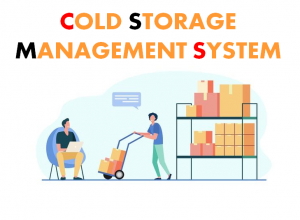
This complete guide explores the key elements of cold storage facility operations and explains how businesses can improve performance, reduce costs, and create more reliable supply chains.
Understanding Cold Storage Facility Operations
A cold storage facility is a specialized warehouse designed to store products under controlled temperature conditions. Unlike traditional warehouses, these facilities use advanced refrigeration systems, insulation, and monitoring technology to maintain specific environmental requirements.
The primary goal of cold storage operations is to preserve product quality while ensuring safe handling from receiving to shipping.
Common Industries That Use Cold Storage Facilities
Cold storage operations support a wide range of industries, including:
- Food and beverage manufacturers
- Fresh produce suppliers
- Frozen food distributors
- Pharmaceutical companies
- Medical and biotechnology organizations
- Agricultural businesses
Each industry may have different temperature, humidity, and handling requirements, making proper facility management essential.
The Receiving Process in Cold Storage Operations
The first stage of cold storage operations begins when products arrive at the facility. Receiving procedures must be carefully managed because temperature-sensitive goods can quickly lose quality if exposed to unsuitable conditions.
Employees must inspect shipments, verify documentation, and ensure products meet storage requirements before they enter the facility.
Key Steps During Product Receiving
A professional receiving process typically includes:
- Checking product temperatures upon arrival
- Inspecting packaging for damage
- Confirming shipment quantities
- Recording inventory information
- Assigning storage locations
Accurate receiving procedures help prevent damaged products from entering storage and improve inventory tracking.
Temperature Control and Refrigeration Management
Temperature management is the foundation of every cold storage facility. Maintaining consistent conditions ensures products remain safe and reduces the risk of spoilage.
Modern facilities use advanced refrigeration systems designed to maintain precise temperatures across different storage zones.
Types of Cold Storage Temperature Zones
Cold storage facilities often include multiple temperature-controlled areas, such as:
- Chilled storage for fresh products
- Frozen storage for long-term preservation
- Ultra-low temperature storage for specialized materials
- Climate-controlled areas for sensitive products
Each zone must be carefully monitored to ensure products are stored under the correct conditions.
Importance of Temperature Monitoring Systems
Reliable monitoring systems allow facility operators to track conditions continuously. Sensors placed throughout the warehouse collect data and alert staff when temperatures move outside acceptable ranges.
Real-time monitoring helps businesses:
- Prevent product damage
- Identify equipment problems quickly
- Maintain accurate records
- Support regulatory compliance
Consistent monitoring is essential for maintaining product safety and operational reliability.
Cold Storage Inventory Management
Efficient inventory management is one of the most important parts of cold storage operations. Poor organization can result in wasted products, storage delays, and inaccurate stock information.
Successful facilities use structured systems to track products from arrival through shipment.
Inventory Rotation Methods
Cold storage facilities commonly use inventory rotation strategies such as:
- First-in, first-out (FIFO)
- First-expired, first-out (FEFO)
These methods ensure products are shipped in the correct order, reducing waste and helping businesses maintain product freshness.
Technology Used for Inventory Control
Many modern cold storage facilities use warehouse management systems to improve inventory accuracy.
These systems help operators manage:
- Product locations
- Stock levels
- Expiration dates
- Order fulfillment
- Shipment scheduling
Digital inventory systems improve visibility and reduce manual errors.
Equipment Maintenance and Facility Management
Cold storage facilities rely on complex equipment that must operate continuously. Refrigeration systems, compressors, insulation, and monitoring devices require regular maintenance to prevent failures.
Unexpected equipment breakdowns can lead to product losses, operational delays, and expensive repairs.
Preventive Maintenance Best Practices
Effective maintenance programs include:
- Regular refrigeration inspections
- Checking door seals and insulation
- Testing monitoring equipment
- Replacing damaged components
- Reviewing system performance data
Preventive maintenance improves reliability, extends equipment lifespan, and reduces unexpected downtime.
Energy Management in Cold Storage Facilities
Energy consumption is one of the largest expenses associated with cold storage operations. Refrigeration systems require continuous power, making energy efficiency a major focus for facility operators.
Improving energy management helps businesses reduce operating costs while supporting sustainability goals.
Ways to Improve Cold Storage Energy Efficiency
Facilities can reduce energy usage by:
- Using energy-efficient refrigeration equipment
- Maintaining proper insulation
- Installing LED lighting
- Reducing unnecessary door openings
- Monitoring energy consumption
Small efficiency improvements can create significant savings over time.
Employee Training and Safety Procedures
Employees play an essential role in successful cold storage operations. Proper training ensures workers understand how to handle products, operate equipment, and follow safety procedures.
Cold storage environments can present unique challenges, including low temperatures and specialized equipment requirements.
Important Areas of Employee Training
Training programs should cover:
- Safe product handling
- Temperature control procedures
- Equipment operation
- Emergency response processes
- Workplace safety requirements
A trained workforce helps reduce mistakes, improve productivity, and maintain consistent operational standards.
The Shipping and Distribution Process
The final stage of cold storage operations is preparing products for shipment. Like receiving, shipping requires careful coordination to protect products and maintain the cold chain.
Products must be selected, prepared, and transported without unnecessary temperature exposure.
Maintaining Cold Chain Integrity During Shipping
Successful shipping procedures include:
- Preparing orders efficiently
- Using temperature-controlled loading areas
- Checking transportation conditions
- Monitoring shipments during transit
Maintaining cold chain integrity ensures products arrive at their destination safely and meet quality expectations.
Compliance and Quality Control Requirements
Cold storage facilities must follow industry regulations related to product safety, documentation, and operational standards. Compliance requirements vary depending on the products being stored and the industry served.
Strong quality control procedures help businesses avoid costly mistakes and protect customer trust.
Building Effective Quality Control Systems
Quality control practices include:
- Maintaining accurate temperature records
- Conducting regular inspections
- Following sanitation procedures
- Documenting operational processes
Consistent quality management supports safer products and more reliable operations.
Conclusion: Building Efficient Cold Storage Operations
Cold storage facility operations require careful management of technology, equipment, employees, and processes. From receiving and temperature control to inventory management and shipping, every step contributes to overall supply chain performance.
Businesses that invest in modern systems, preventive maintenance, employee training, and efficient procedures can improve reliability and reduce operational costs.
As demand for temperature-controlled storage continues to increase, well-managed cold storage facilities will remain essential for protecting products, supporting customers, and creating stronger supply chains.
Recent Comments