
Planning a Cold Storage Facility
Planning a cold storage facility for food and beverages requires careful consideration of temperature control, storage capacity, workflow, energy efficiency, and food safety. Unlike a standard warehouse, a cold storage facility must create and maintain controlled environmental conditions while supporting the movement of products, staff, vehicles, and equipment.
A well-planned facility can help protect product quality, reduce operational costs, improve efficiency, and support future business growth. Whether you are building a new facility or expanding an existing operation, understanding the key stages of the planning process can help you make informed decisions from the beginning.
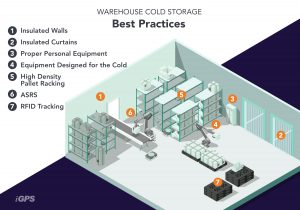
Define Your Cold Storage Requirements
The first step in planning a cold storage facility is understanding exactly what the building needs to achieve. Food and beverage businesses can have significantly different storage requirements depending on the products they handle.
Consider the types of products that will be stored, their required temperature ranges, expected storage volumes, shelf life, packaging, and how frequently products will enter and leave the facility.
Determine Temperature Requirements
Different food and beverage products may require different storage conditions. Chilled products, frozen foods, fresh produce, dairy products, meat, seafood, and beverages can all have specific temperature requirements.
Establishing these requirements early helps determine the appropriate refrigeration systems, insulation, storage areas, doors, and temperature monitoring equipment. If products require different conditions, the facility may need multiple temperature-controlled zones.
Plan the Facility Layout
The layout of a cold storage facility has a direct impact on operational efficiency. A well-designed layout should allow products to move through the facility smoothly, from receiving and inspection through storage, picking, and dispatch.
Consider the movement of employees, forklifts, pallet jacks, delivery vehicles, and other equipment when planning the space. The aim should be to minimise unnecessary movement while maintaining safe and practical access to stored products.
Consider Receiving and Dispatch Areas
Loading and unloading areas require particular attention because opening doors can allow warm air to enter temperature-controlled spaces. This can increase refrigeration demand and make it more difficult to maintain consistent temperatures.
Consider incorporating appropriately positioned loading docks, insulated doors, staging areas, and other features that help limit unnecessary temperature changes. The receiving and dispatch areas should also provide enough space to manage busy periods without disrupting storage operations.
Calculate Required Storage Capacity
Determining how much storage space is required is another important part of the planning process. Businesses should consider both current requirements and expected future demand.
Calculate the number of pallets, cartons, containers, or other units that need to be stored. Consider stock turnover rates and whether products will require dedicated storage areas.
Plan for Future Growth
Building a facility that only meets today’s requirements can create problems as the business expands. Where possible, planning should allow for increased inventory, additional customers, new product lines, or changes in distribution volumes.
Future expansion could involve additional storage space, new refrigeration equipment, or additional temperature-controlled zones. Considering these possibilities during the initial design stage can make future upgrades easier and potentially more cost-effective.
Choose the Right Insulation
Insulation is a critical component of cold storage construction. Effective insulation helps prevent heat transfer between the controlled environment and surrounding areas, allowing refrigeration systems to operate more efficiently.
The appropriate insulation solution will depend on factors such as the required temperature, facility design, environmental conditions, and intended use of the building.
Consider Doors and Openings
Cold storage doors are another important consideration. Frequently opened doors can allow warm air and moisture into temperature-controlled areas, increasing the workload on refrigeration systems.
Consider where doors will be located and how frequently they will be used. High-use areas may benefit from solutions designed to reduce temperature loss while still allowing efficient movement of products and personnel.
Design an Efficient Refrigeration System
Refrigeration is central to the operation of a cold storage facility. The system needs to provide sufficient cooling capacity while maintaining the temperatures required for stored products.
When planning refrigeration, consider the size of the facility, temperature requirements, product volumes, door openings, heat generated by equipment, and expected operating conditions.
Focus on Energy Efficiency
Energy consumption can represent a significant ongoing cost for food and beverage cold storage facilities. Energy efficiency should therefore be considered during the planning and design stages rather than after construction is complete.
Effective insulation, efficient refrigeration equipment, appropriate door systems, temperature controls, and good facility design can all contribute to reducing unnecessary energy consumption.
Consider Food Safety and Hygiene
Food and beverage storage facilities must be designed with product safety and hygiene in mind. The materials, surfaces, drainage systems, storage arrangements, and cleaning processes should support a clean and controlled environment.
The facility layout should also help separate incoming products, stored goods, waste, and outgoing orders where necessary.
Plan for Cleaning and Maintenance
Cleaning and maintenance should be considered before construction begins. Workers need suitable access to floors, walls, equipment, drains, refrigeration components, and other areas requiring regular attention.
Selecting durable materials and designing accessible areas can make routine cleaning and maintenance more straightforward. This can help support hygiene standards while reducing disruption to daily operations.
Plan Temperature Monitoring
Reliable temperature monitoring is essential for protecting food and beverage products. The facility should have appropriate systems for monitoring temperatures across storage areas and identifying potential problems.
Temperature monitoring requirements will depend on the products being stored and the operating conditions of the facility.
Prepare for Equipment Failure
A strong cold storage plan should also consider what happens if refrigeration equipment fails or there is a power interruption. Contingency planning can help reduce the risk of product loss during unexpected events.
Depending on the facility, this may involve backup power, alarm systems, emergency procedures, additional refrigeration capacity, or arrangements for transferring products to another suitable storage location.
Consider Safety and Workflow
Cold storage facilities can involve forklifts, heavy pallets, refrigeration equipment, insulated environments, and frequent vehicle movements. Safety should therefore be incorporated into the design from the beginning.
Plan clear routes for employees and equipment, appropriate access points, suitable lighting, and practical working areas. The layout should allow staff to complete their tasks efficiently without creating unnecessary hazards.
Separate People and Equipment Where Possible
Where forklifts and pedestrians operate in the same facility, consider how their movements can be managed safely. Clearly defined pathways and appropriate separation can help reduce the risk of collisions and improve workflow.
Work With Experienced Cold Storage Specialists
Planning a food and beverage cold storage facility involves many interconnected decisions. Working with experienced cold storage construction specialists can help ensure that the design considers refrigeration, insulation, building requirements, workflow, hygiene, safety, and long-term operational needs.
A specialist can also help identify potential challenges before construction begins and coordinate the different elements involved in delivering a temperature-controlled facility.
Start Planning Early
The earlier the planning process begins, the more opportunity there is to evaluate different layouts, equipment options, storage capacities, and construction approaches. Early planning can also help identify potential issues with site requirements, services, access, and future expansion.
Build a Facility Designed for Long-Term Performance
Planning a cold storage facility is about more than creating a temperature-controlled space. For food and beverage businesses, the facility needs to support product quality, food safety, efficient operations, energy management, and future growth.
By defining storage requirements, planning an efficient layout, selecting suitable insulation and refrigeration systems, considering hygiene and safety, and preparing for future needs, businesses can create a facility that is practical and reliable.
Most importantly, working with experienced cold storage professionals can help turn these requirements into an effective design and construction plan. With careful preparation from the outset, a cold storage facility can provide the controlled environment needed to protect products while supporting efficient day-to-day operations for years to come.
Recent Comments