
Cold Storage Door Efficiency
Cold storage facilities rely on controlled temperatures to protect products, maintain quality, and support efficient operations. While refrigeration systems play a major role in temperature management, cold storage doors are equally important. Every time a door opens, refrigerated air can escape and warmer air can enter, creating additional demands on the cooling system.
Choosing an efficient cold storage door can help businesses manage temperature fluctuations, improve workflow, and support the overall performance of a refrigerated facility. From insulated construction and effective seals to suitable door designs and regular maintenance, several factors contribute to cold storage door efficiency.
Why Cold Storage Door Efficiency Matters
Cold storage doors are used throughout many industries, including food processing, hospitality, supermarkets, logistics, pharmaceuticals, and refrigerated distribution. In these environments, doors may be opened and closed repeatedly throughout the day.
An inefficient or poorly maintained door can create unnecessary air exchange between the cold storage area and surrounding environment. This may make it harder for refrigeration equipment to maintain the desired temperature.
Efficient doors can help minimise these challenges by providing an effective barrier when closed while allowing convenient access when required.
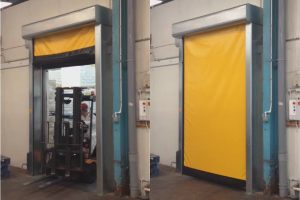
Key Factors Affecting Cold Storage Door Efficiency
Several elements influence how effectively a cold storage door performs. The door’s construction, seals, operating frequency, installation, and maintenance should all be considered.
Insulated Door Construction
Insulation is one of the most important features of a cold storage door. An insulated panel helps reduce heat transfer between the refrigerated environment and surrounding areas.
The appropriate insulation depends on the application. A chilled storage room may have different requirements from a low-temperature freezer. Door thickness, insulation material, room temperature, and facility design should therefore be considered when selecting a door.
A well-insulated door can help create a stronger thermal barrier and support consistent internal conditions.
Effective Door Seals
Seals play an important role in cold storage door efficiency. When a door is closed, the seal helps minimise gaps around the edges and reduce unwanted air movement.
Even a well-insulated door can become less effective if its seals are damaged, compressed, or incorrectly positioned. Regular inspections can help identify problems before they become more significant.
Seals should be selected for the operating temperature and environment to ensure they can provide reliable performance over time.
Frequency of Door Openings
The more frequently a cold storage door is opened, the more opportunities there are for warm air to enter and cold air to escape. High-traffic facilities should therefore pay particular attention to door design and operating procedures.
Businesses can improve efficiency by encouraging staff to minimise unnecessary door openings and ensuring doors are closed promptly after access.
Choosing the Right Cold Storage Door Design
Different facilities have different access requirements. The right door configuration should balance accessibility with temperature management.
Bi-Parting Hinged Doors
Bi-parting hinged doors consist of two panels that open from the centre. They can provide convenient access for facilities with regular movement of people, carts, and products.
This configuration can be particularly useful in busy cold rooms and food processing environments. When combined with appropriate insulation and seals, bi-parting hinged doors can provide a practical balance between access and temperature control.
Traditional Hinged Doors
Single-panel hinged doors can be suitable for smaller cold rooms and areas with lower traffic levels. They provide a straightforward access solution and can be manufactured with insulated panels and suitable sealing systems.
The ideal configuration will depend on factors such as doorway dimensions, available clearance, traffic frequency, and operating temperature.
Sliding Cold Storage Doors
Sliding doors can provide another option for larger openings or facilities where swing clearance is limited. They move horizontally rather than swinging into the surrounding area.
As with other cold storage door types, insulation, seals, hardware, and maintenance are important considerations when evaluating efficiency.
How Door Seals Support Efficiency
A properly functioning seal helps separate the refrigerated environment from warmer surrounding areas. When the door is closed, the seal should create a consistent contact point around the door perimeter.
Inspecting Seals
Facility operators should inspect seals regularly for cracking, gaps, deterioration, or other damage. If a seal no longer sits correctly against the frame, it may need adjustment or replacement.
Maintaining Proper Closure
A cold storage door should close fully after each use. Misaligned hinges, damaged hardware, or obstructions can prevent proper closure.
A door that remains partially open can allow continuous air exchange, potentially affecting the internal temperature and increasing the workload placed on refrigeration equipment.
Reducing Unnecessary Temperature Loss
Cold storage efficiency is not simply about selecting an insulated door. Operational behaviour also plays an important role.
Keep Doors Closed When Not in Use
Employees should avoid leaving cold storage doors open while completing other tasks. Closing the door promptly after entering or exiting can help reduce unnecessary air exchange.
Organise Storage Areas
Efficient storage layouts can make it easier for employees to locate products quickly. If workers spend less time searching inside a cold room, doors may not need to remain open for extended periods.
Plan Product Movement
Where possible, businesses can organise loading, unloading, and stock movement to reduce unnecessary door cycles. Efficient workflows can complement the performance of the cold storage door.
Maintenance and Cold Storage Door Efficiency
Regular maintenance is essential for maintaining door performance. Even high-quality doors can become less efficient if components are neglected.
Inspect Hinges and Hardware
Hinges should operate smoothly and support proper door alignment. Damaged or worn hinges may cause the door to sit incorrectly or prevent it from closing properly.
Handles, latches, tracks, and other hardware should also be inspected as part of routine maintenance.
Check Door Panels
Door panels should be examined for damage, impact marks, or deterioration. Structural damage can affect the door’s overall performance and may compromise insulation.
Clean the Door and Surrounding Area
Dirt, debris, ice, and other materials can interfere with door operation and sealing. Regular cleaning can help keep the door functioning correctly, particularly in food storage and processing environments.
Cold Storage Doors and Energy Management
Refrigeration systems consume energy to maintain controlled temperatures. When warm air enters a refrigerated space, the system may need to work harder to restore the desired conditions.
An efficient cold storage door can form part of an overall energy management strategy by helping reduce unnecessary air exchange. However, door efficiency should be considered alongside other factors, including refrigeration equipment, insulation throughout the building, room layout, operating procedures, and maintenance.
Businesses should avoid viewing the door as an isolated component. Instead, it should form part of a broader approach to maintaining an efficient cold storage environment.
How to Improve Cold Storage Door Efficiency
Businesses looking to improve performance can begin by reviewing how their doors are used and maintained.
Assess Existing Doors
Look for signs of damaged seals, poor alignment, worn hardware, or doors that do not close correctly. These issues can indicate that maintenance or replacement may be required.
Consider Traffic Levels
If a door is being used far more frequently than originally anticipated, it may be worth assessing whether its current configuration remains appropriate.
Select Suitable Materials
Door materials, insulation, seals, and hardware should all be appropriate for the operating environment. The requirements of a freezer room can differ significantly from those of a standard chilled room.
Train Employees
Staff should understand the importance of closing cold storage doors after use. Simple changes in operating habits can help reduce unnecessary temperature fluctuations.
When Should You Replace a Cold Storage Door?
A cold storage door may eventually reach a point where ongoing repairs are no longer the most practical solution. Frequent breakdowns, damaged panels, deteriorated seals, poor alignment, or difficulty maintaining proper closure can all indicate that replacement should be considered.
When replacing a door, businesses should reassess their current requirements rather than simply replacing the existing model with an identical one. Changes in traffic, room temperature, equipment, storage practices, or facility layout may mean that a different configuration would provide better performance.
Conclusion
Cold storage door efficiency is an important part of maintaining a reliable and effective temperature-controlled facility. Insulation, sealing, door configuration, hardware, maintenance, and everyday operating practices can all influence performance.
Choosing a door that matches the facility’s temperature requirements and traffic levels can help support efficient access while reducing unnecessary air exchange. Regular maintenance can further protect performance by ensuring seals, hinges, panels, and other components remain in good condition.
For businesses operating cold rooms, freezer facilities, warehouses, and refrigerated processing areas, investing in suitable cold storage doors can support both operational efficiency and effective temperature management. A well-designed and properly maintained door is an essential component of a dependable cold storage environment.
Recent Comments