
How Cold Storage Helps Australian Food Producers Reduce Waste
Food waste is a significant challenge for Australian food producers. From fresh fruit and vegetables to meat, seafood and dairy products, many foods have a limited shelf life and can deteriorate quickly when they are exposed to unsuitable temperatures. For producers, this can result in lost stock, reduced profits and unnecessary pressure on the wider food supply chain. How Cold Storage Helps Australian Food Producers Reduce Waste
Cold storage provides an important solution by creating controlled environments that help protect perishable products after harvest, production or processing. By maintaining appropriate temperatures, managing inventory and supporting efficient distribution, cold storage can help Australian food producers extend product life and reduce avoidable waste.
Why Food Waste Is a Challenge for Australian Producers
Food waste can occur at almost every stage of the food supply chain. Products may be damaged during handling, rejected because of quality issues, spoiled during storage or lost because they cannot reach customers before their shelf life expires.
For Australian producers, geographic distances can make these challenges more significant. Food may need to travel long distances from farms and processing facilities to warehouses, retailers and consumers.
Perishable Products Require Careful Handling
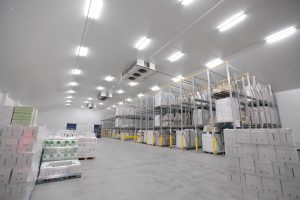
Fresh produce, meat, seafood and dairy products are particularly sensitive to temperature. If these products are stored in unsuitable conditions, their quality can decline rapidly.
Cold storage provides a controlled environment that helps slow deterioration and gives producers more time to move products through the supply chain.
How Cold Storage Reduces Food Waste
The primary way cold storage helps reduce waste is by maintaining the environmental conditions required to protect temperature-sensitive products. Consistent refrigeration can help slow natural deterioration and preserve products for longer.
Extending Product Shelf Life
Appropriate temperatures can slow processes that contribute to spoilage. This can give food producers additional time to organise transportation, fulfil orders and distribute products before they reach the end of their usable life.
Even relatively small improvements in shelf life can make a meaningful difference when large quantities of food are being produced and distributed.
Protecting Product Quality
Food waste is not always caused by food becoming unsafe. Products may also be discarded because their appearance, texture, freshness or overall quality no longer meets customer expectations.
Consistent cold storage can help preserve these qualities and reduce the number of products rejected because of avoidable deterioration.
Supporting the Australian Cold Chain
Cold storage is a critical component of the cold chain. The cold chain includes all the processes involved in maintaining suitable conditions for temperature-sensitive products from production through to their final destination.
Reducing Temperature Fluctuations
Temperature fluctuations can compromise product quality and shorten shelf life. A reliable cold storage facility helps maintain stable conditions while products are waiting to be transported or processed.
However, cold storage works most effectively when it is integrated with temperature-controlled transportation and appropriate handling procedures.
Creating a Reliable Link Between Production and Distribution
Food producers do not always have direct access to customers or retailers. Cold storage facilities can provide an important buffer between production and distribution.
Instead of having to move products immediately, producers can temporarily store inventory under appropriate conditions and coordinate deliveries according to demand.
Reducing Waste Through Better Inventory Management
Poor inventory management can contribute significantly to food waste. Producers may have difficulty knowing exactly how much stock they have, where it is located or when products need to be dispatched.
Modern cold storage facilities can help address these challenges through organised storage systems and digital inventory management.
Using Stock Rotation
Stock rotation helps ensure products are dispatched in an appropriate order. First-in, first-out systems can be useful for many food products, while expiry-based systems may be more appropriate for goods with specific use-by dates.
Better stock rotation reduces the likelihood of older products remaining in storage until they can no longer be sold.
Improving Inventory Visibility
Digital inventory systems can provide producers with information about stock levels, storage locations and product movements.
Greater visibility makes it easier to identify slow-moving products and prioritise inventory that needs to be distributed sooner.
Managing Seasonal Food Production
Many Australian food producers experience seasonal fluctuations in production. Fruit and vegetable producers, for example, may have periods when large quantities of products become available within a relatively short timeframe.
Cold storage can help businesses manage these peaks.
Storing Products During Periods of High Supply
Rather than relying entirely on immediate sales, producers can use temperature-controlled storage to hold suitable products for longer. This can provide greater flexibility when supply temporarily exceeds demand.
The ability to store products can help producers avoid unnecessary disposal during periods of high production.
Balancing Supply and Demand
Cold storage can also help businesses better align supply with customer demand. Products can be held until orders are ready for dispatch, helping producers manage fluctuations without putting unnecessary pressure on their distribution network.
Reducing Losses During Transportation
Cold storage facilities can also support more efficient transportation. Products can be consolidated, organised and prepared for dispatch before being loaded onto refrigerated vehicles.
Improving Delivery Planning
Having products stored in a central, temperature-controlled location can make it easier to coordinate deliveries. Businesses can organise orders and group shipments based on destination, timing and customer requirements.
More efficient transportation can reduce delays and help minimise the amount of time products spend in transit.
Maintaining Temperature Control
Products should remain within their required temperature range during loading, transportation and delivery. Poor temperature control can result in unnecessary spoilage even when products were initially stored correctly.
Cold storage providers can work alongside refrigerated transport operators to support a more consistent cold chain.
Using Temperature Monitoring to Prevent Waste
Technology is becoming increasingly important in modern cold storage operations. Temperature monitoring systems can provide businesses with greater visibility over storage conditions.
Real-Time Temperature Alerts
Automated sensors can continuously monitor temperatures and alert operators when conditions move outside predetermined limits.
Early warnings can allow businesses to investigate refrigeration problems and take corrective action before large quantities of food are affected.
Analysing Temperature Data
Historical temperature information can also help producers identify recurring problems. If a particular storage area regularly experiences fluctuations, for example, the business can investigate the cause and improve its processes.
Data-driven monitoring can therefore help prevent future losses rather than simply responding to problems after they occur.
Choosing the Right Cold Storage Facility
Not every cold storage facility will provide the same capabilities. Food producers should consider their products, volumes and distribution requirements when selecting a storage provider.
Consider Temperature Requirements
Different foods require different storage conditions. Producers should ensure the facility can consistently maintain the appropriate temperature range for their products.
Businesses handling several product categories may benefit from facilities offering multiple temperature-controlled zones.
Consider Capacity and Flexibility
Storage requirements can change throughout the year. A facility should ideally be capable of accommodating seasonal fluctuations and changes in production volumes.
Flexible storage capacity can help producers avoid having too much or too little refrigerated space.
Reducing Waste While Improving Business Efficiency
Reducing food waste can have benefits beyond environmental responsibility. It can also improve a producer’s financial and operational performance.
Every product that is discarded represents resources that have already been invested in production, processing, packaging, transportation and storage.
Lowering Product Losses
Reducing spoilage means more of the food produced can potentially be sold. This can help improve inventory utilisation and reduce the financial impact of wasted stock.
Improving Supply Chain Efficiency
Effective cold storage can also improve coordination between producers, distributors, transport providers and retailers. Better planning and inventory visibility can reduce unnecessary movement, delays and handling.
The Environmental Benefits of Reducing Food Waste
Food production requires significant resources, including land, water, energy, packaging and transportation. When food is wasted, these resources have effectively been used without delivering their intended benefit.
By helping producers keep more food within the supply chain, cold storage can contribute to more efficient use of these resources.
Supporting a More Sustainable Food Industry
Reducing avoidable spoilage can form part of a broader sustainability strategy. Businesses can combine effective cold storage with energy-efficient refrigeration, optimised transportation, responsible packaging and improved inventory management.
The Future of Cold Storage and Food Waste Reduction
Technology and logistics practices will continue to shape the future of cold storage in Australia. More advanced temperature monitoring, automated inventory systems, energy-efficient refrigeration and data-driven supply chain management can give producers greater control over their products.
As consumers and businesses place greater emphasis on sustainability, reducing food waste will remain an important priority across the Australian food industry.
Conclusion
Cold storage plays an important role in helping Australian food producers reduce waste. By maintaining consistent temperatures, extending product shelf life, protecting quality and supporting better inventory management, temperature-controlled facilities can help prevent avoidable product losses.
For producers dealing with seasonal supply, long-distance transportation or highly perishable products, reliable cold storage can provide valuable flexibility throughout the supply chain.
When combined with temperature monitoring, efficient transportation and strong inventory management, cold storage can help Australian food producers create a more efficient, reliable and sustainable food supply chain while making more of the food they produce available to consumers.
Recent Comments