
Understanding Temperature-Controlled Warehousing in Australia
Temperature-controlled warehousing plays an essential role in Australia’s food, pharmaceutical, agriculture and logistics industries. Many products cannot be stored safely or effectively in standard warehouses because they require specific environmental conditions throughout storage and handling.
From fresh produce and dairy products to meat, seafood, frozen foods and temperature-sensitive pharmaceuticals, maintaining consistent conditions can help protect product quality, safety and shelf life. For Australian businesses, understanding how temperature-controlled warehousing works and what to consider when choosing a facility can help create a more reliable and efficient supply chain.
What Is Temperature-Controlled Warehousing?
Temperature-controlled warehousing refers to specialised storage facilities where environmental conditions are carefully managed to meet the requirements of stored products. These warehouses use refrigeration, insulation, monitoring systems and specialised equipment to maintain specific temperature ranges.
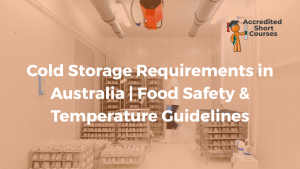
Unlike conventional warehouses, temperature-controlled facilities are designed to minimise temperature fluctuations and provide consistent conditions throughout the storage area.
How Does Temperature-Controlled Warehousing Work?
A temperature-controlled warehouse uses refrigeration systems to regulate the internal environment. Depending on the products being stored, a facility may contain multiple temperature zones.
These can include chilled areas, frozen storage and other controlled environments. Sensors and monitoring systems can continuously measure temperatures and alert operators when conditions move outside predetermined ranges.
Why Is Temperature Control Important?
Temperature control is essential for products that can deteriorate, spoil or become unsuitable when exposed to inappropriate conditions.
Protecting Product Quality
Maintaining suitable temperatures can help preserve the freshness, texture, appearance and overall quality of perishable products. Fresh produce, meat, seafood and dairy products can all be affected by temperature fluctuations.
Consistent storage conditions can help businesses maintain products in better condition until they are ready for processing, distribution or sale.
Supporting Product Safety
For certain foods, temperature control is an important part of managing food safety risks. Maintaining appropriate storage conditions can help limit the conditions that allow harmful microorganisms to multiply.
Businesses handling temperature-sensitive products should have appropriate procedures for monitoring and managing storage temperatures.
Which Industries Use Temperature-Controlled Warehousing?
Temperature-controlled warehousing is used across a variety of Australian industries.
Food and Beverage
The food industry is one of the largest users of refrigerated warehousing. Meat, seafood, dairy, fruit, vegetables, frozen foods and prepared meals may all require controlled storage conditions.
Cold storage facilities allow producers, manufacturers, wholesalers and retailers to store products safely between different stages of the supply chain.
Pharmaceuticals and Healthcare
Some pharmaceuticals and healthcare products also require carefully controlled temperatures. Maintaining appropriate conditions can be critical for protecting product integrity throughout storage and distribution.
Facilities handling these products may require specialised monitoring, procedures and infrastructure.
Agriculture and Horticulture
Australian agricultural producers rely on temperature-controlled storage to help manage perishable products after harvesting or processing.
Cold storage can provide producers with additional time to organise transportation, manage supply fluctuations and distribute products to customers.
Different Types of Temperature-Controlled Storage
Not every product requires the same temperature. Temperature-controlled warehouses can therefore provide different storage environments.
Chilled Storage
Chilled storage is commonly used for products that need to remain refrigerated without being frozen. Examples can include fresh meat, dairy, seafood and certain fruit and vegetables.
Maintaining stable temperatures can help slow deterioration and extend product shelf life.
Frozen Storage
Frozen storage is designed for products that need to remain frozen. Frozen foods generally require much lower temperatures than chilled products and therefore need specialised refrigeration infrastructure.
Consistent temperatures are important to help maintain product quality throughout storage.
Multi-Temperature Warehousing
Businesses handling multiple product categories may benefit from facilities with several temperature zones. This allows different products to be stored under conditions appropriate to their individual requirements.
Multi-temperature facilities can provide greater flexibility and may reduce the need for businesses to use multiple storage providers.
Temperature Monitoring and Technology
Technology is a key part of modern temperature-controlled warehousing. Businesses need reliable information about storage conditions to identify potential problems quickly.
Real-Time Temperature Monitoring
Automated sensors can monitor temperatures continuously and provide alerts when conditions fall outside acceptable limits.
Real-time monitoring can help operators respond quickly to refrigeration problems and reduce the risk of significant product losses.
Digital Data and Reporting
Temperature data can be recorded and analysed over time. This information can help businesses identify recurring fluctuations, evaluate equipment performance and improve warehouse procedures.
Digital reporting can also provide greater visibility throughout the supply chain.
The Importance of Warehouse Insulation
Effective insulation is essential for maintaining controlled temperatures. A well-insulated facility helps prevent unwanted heat transfer between the refrigerated environment and the outside environment.
Maintaining Stable Conditions
Good insulation can help refrigeration systems maintain consistent temperatures more efficiently. It can also reduce the amount of energy required to keep storage areas cold.
Doors, loading areas, walls and ceilings should all be appropriately designed to minimise temperature loss.
Energy Efficiency in Temperature-Controlled Warehousing
Refrigeration can be one of the largest sources of energy consumption in a temperature-controlled facility. Improving energy efficiency is therefore important for managing operating costs and reducing environmental impact.
Efficient Refrigeration Equipment
Modern refrigeration systems can provide improved efficiency compared with older equipment. Regular maintenance is also important for keeping refrigeration systems operating effectively.
Businesses should consider energy performance when assessing a temperature-controlled storage provider.
Reducing Unnecessary Energy Use
Simple operational practices can also make a difference. Minimising unnecessary door openings, improving loading procedures and maintaining appropriate storage layouts can help reduce temperature loss.
Temperature-Controlled Warehousing and the Australian Cold Chain
Temperature-controlled warehousing is one part of Australia’s broader cold chain. The cold chain includes production, processing, transportation, storage and distribution.
Maintaining Temperature From Origin to Destination
A temperature-controlled warehouse can only protect products while they are inside the facility. Products must also remain within their required conditions during loading, transportation and delivery.
This means businesses need to consider the entire supply chain when developing temperature-control procedures.
Reducing Temperature Excursions
A temperature excursion occurs when a product is exposed to conditions outside its required temperature range. These events can affect product quality and may lead to product losses.
Careful handling procedures, reliable equipment and continuous monitoring can help reduce the risk of temperature excursions.
Benefits of Outsourcing Temperature-Controlled Warehousing
Not every business has the resources or space to build and operate its own temperature-controlled facility. Outsourcing can provide access to specialised infrastructure without requiring a large upfront investment.
Access to Specialist Facilities
Third-party providers can offer refrigerated storage, monitoring technology, warehouse management systems and trained personnel.
This allows businesses to access capabilities that may otherwise be expensive or complicated to establish internally.
Flexible Storage Capacity
Outsourcing can also provide greater flexibility. Businesses with seasonal products or changing inventory volumes can adjust their storage requirements as demand changes.
This can be particularly useful for growing businesses that do not want to commit to a permanent warehouse too early.
Choosing a Temperature-Controlled Warehouse
Businesses should carefully evaluate potential storage providers before making a decision.
Consider Temperature Capabilities
The facility should be able to maintain the temperatures required for the products being stored. Businesses should also ask about temperature monitoring, alarm systems and contingency procedures.
Consider Location and Distribution
Location can affect transportation costs and delivery times. A facility close to major roads, ports, production areas or distribution centres may provide logistical advantages.
Consider Capacity and Scalability
Storage requirements can change over time. Choosing a facility with flexible capacity can make it easier to accommodate seasonal peaks, business growth or changes in product volumes.
How Temperature-Controlled Warehousing Can Reduce Waste
One of the major benefits of effective temperature-controlled storage is its potential to reduce product waste.
Extending Shelf Life
Maintaining appropriate temperatures can slow product deterioration and provide businesses with more time to sell or distribute inventory.
This can be particularly valuable for highly perishable products with limited shelf lives.
Improving Inventory Management
Digital inventory systems can help businesses track stock, manage expiry dates and improve stock rotation. Better inventory visibility can reduce the likelihood of products being forgotten or left in storage for too long.
The Future of Temperature-Controlled Warehousing in Australia
Demand for temperature-controlled warehousing is expected to remain important as Australia’s food, pharmaceutical and logistics industries continue to evolve.
Smarter and More Sustainable Facilities
Future facilities are likely to place increasing emphasis on automation, real-time monitoring, energy efficiency and data-driven management.
Businesses will increasingly look for storage partners that can provide reliable temperature control while helping them improve operational efficiency and sustainability.
Conclusion
Understanding temperature-controlled warehousing in Australia is essential for any business handling products that require specific storage conditions. From food and agriculture to pharmaceuticals and healthcare, reliable temperature control helps protect product quality, safety and shelf life.
The right facility should provide appropriate temperature zones, reliable refrigeration, continuous monitoring, effective insulation and flexible capacity. Location, technology, energy efficiency and distribution capabilities should also be considered.
By choosing the right temperature-controlled warehousing solution and managing the wider cold chain effectively, Australian businesses can reduce waste, improve efficiency and provide customers with products that arrive in the condition expected.
Recent Comments