
Why Businesses Need Reliable Cold Storage Facilities
For businesses that handle perishable products, maintaining the right temperature is essential. Food, beverages, pharmaceuticals, fresh produce, meat, dairy products, and other temperature-sensitive goods can quickly lose their quality when they are exposed to unsuitable conditions. This is why reliable cold storage facilities play such an important role in modern business operations.
A dependable cold storage facility does more than simply keep products cold. It helps businesses protect inventory, maintain product quality, reduce waste, meet safety requirements, and improve supply chain efficiency. For companies dealing with temperature-sensitive goods, investing in reliable cold storage can have a direct impact on profitability and customer satisfaction.
Protecting Product Quality and Freshness
One of the biggest benefits of cold storage is its ability to preserve the quality of perishable products. Many products naturally deteriorate over time, particularly when they are exposed to heat, humidity, or fluctuating temperatures. Proper refrigeration slows down processes such as bacterial growth, oxidation, and spoilage.
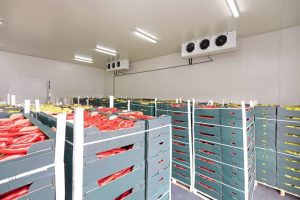
A reliable facility provides controlled temperatures that are appropriate for different types of products. This can help maintain freshness, texture, appearance, flavour, and overall quality from the time goods enter storage until they are delivered to customers.
For businesses selling fresh produce, dairy, meat, seafood, and prepared foods, maintaining product quality is particularly important. Customers expect products to arrive fresh and in good condition. Consistent cold storage helps businesses meet these expectations and protect their reputation.
Reducing Product Waste and Financial Losses
Product spoilage can be expensive. When temperature-sensitive goods deteriorate before they can be sold or distributed, businesses may be forced to dispose of valuable inventory. This results in direct financial losses as well as wasted resources.
Reliable cold storage helps extend the usable life of perishable products by providing stable environmental conditions. Businesses can therefore reduce unnecessary spoilage and make better use of the inventory they purchase or produce.
Improving Inventory Management
Cold storage can also give businesses greater flexibility when managing stock. Instead of rushing products through the supply chain because of limited storage capacity, companies can safely hold inventory for longer periods when appropriate.
This can be particularly useful for businesses affected by seasonal production. For example, a company may need to store large quantities of produce during periods of high availability and distribute it gradually according to demand. Proper cold storage makes this type of inventory planning easier and more efficient.
Supporting Food Safety
Temperature control is a critical part of food safety. Certain foods can become unsafe when they remain within temperatures that allow harmful microorganisms to multiply. Maintaining suitable storage conditions helps reduce these risks.
A professional cold storage facility can provide controlled environments, monitoring systems, and established handling procedures designed to protect stored products. Temperature records can also help businesses monitor conditions and identify potential problems before they result in significant product loss.
For food-related businesses, reliable refrigeration is therefore not simply a convenience. It is an important part of maintaining safe handling practices and protecting consumers.
Increasing Supply Chain Efficiency
Modern supply chains often involve multiple stages, including production, processing, storage, transportation, distribution, and retail. Temperature-sensitive products need to remain within suitable conditions throughout this journey.
Reliable cold storage provides an important link between these stages. Businesses can temporarily store products between transportation and distribution without compromising their quality.
Creating Greater Distribution Flexibility
Access to dependable cold storage can make it easier for businesses to coordinate deliveries. Products do not necessarily have to be shipped immediately after production or arrival. Instead, businesses can store inventory and organise distribution according to customer demand, transportation schedules, and available warehouse capacity.
This flexibility can help companies avoid unnecessary transportation costs while ensuring products are available when needed.
Helping Businesses Handle Seasonal Demand
Demand for certain products can change significantly throughout the year. Holidays, seasonal events, weather conditions, and consumer trends can all affect purchasing patterns.
Cold storage facilities allow businesses to prepare for these fluctuations by safely holding additional inventory when supply is available. When demand increases, stored products can then be released into the supply chain.
This approach can help businesses respond more effectively to peak periods without relying entirely on last-minute production or sourcing.
Supporting Business Growth
As a company grows, its storage requirements often grow with it. A small refrigeration area that works for a developing business may eventually become inadequate as inventory volumes increase.
Using a reliable cold storage facility can provide additional capacity without requiring a business to immediately invest in constructing and maintaining its own large-scale refrigerated warehouse.
Reducing Infrastructure Challenges
Operating a dedicated cold storage facility can require significant investment in refrigeration equipment, insulation, temperature monitoring, maintenance, energy management, and specialised infrastructure. Outsourcing some or all storage requirements can reduce the need for businesses to manage these responsibilities themselves.
This allows companies to focus more attention on production, sales, customer service, and other core activities while their temperature-sensitive inventory is stored in an appropriate environment.
Protecting the Business and Its Reputation
Customers expect businesses to deliver products that meet quality standards. A shipment containing spoiled, damaged, or improperly stored goods can lead to complaints, refunds, lost customers, and reputational damage.
Reliable cold storage helps reduce the likelihood of temperature-related product problems. Consistent storage conditions provide businesses with greater confidence that products will remain in suitable condition until they reach the next stage of the supply chain.
For businesses competing in crowded markets, maintaining consistent quality can be an important advantage.
Choosing the Right Cold Storage Facility
Not every cold storage facility will provide the same level of service. Businesses should consider several factors when selecting a storage provider.
Temperature Control and Monitoring
The facility should have appropriate refrigeration systems and reliable temperature monitoring. Different products may require different storage conditions, so businesses should ensure the facility can accommodate their specific requirements.
Capacity and Scalability
Storage capacity should match current needs while allowing room for future growth. A facility that can accommodate seasonal increases or expanding inventory can provide greater long-term value.
Location and Logistics
The location of a cold storage facility can influence transportation times and costs. A strategically located facility can make it easier to move products between suppliers, warehouses, retailers, and customers while helping maintain the cold chain.
Reliability and Maintenance
Refrigeration equipment needs regular maintenance to operate effectively. Businesses should look for facilities with appropriate maintenance procedures, backup systems, monitoring technology, and clear processes for responding to equipment problems.
Conclusion
Reliable cold storage facilities are an essential part of many modern supply chains. They help businesses preserve product quality, reduce waste, support food safety, improve inventory management, and respond to changing demand.
For companies handling perishable or temperature-sensitive goods, dependable storage is more than a logistical requirement. It is an investment in product quality, operational efficiency, customer satisfaction, and long-term business performance.
By choosing a cold storage facility with suitable temperature controls, sufficient capacity, reliable monitoring, and strong logistical capabilities, businesses can protect their inventory while creating a more efficient and resilient supply chain.
Recent Comments