
The Importance of Cold Storage Facilities in the Supply Chain
Modern supply chains depend on speed, efficiency, and careful product handling. For businesses that transport and distribute perishable or temperature-sensitive products, maintaining the right conditions throughout the supply chain is especially important. This is where cold storage facilities play a critical role.
Cold storage facilities provide controlled environments designed to keep products at specific temperatures during storage and distribution. They are widely used by industries such as food and beverage, agriculture, pharmaceuticals, healthcare, and retail. By protecting products from temperature fluctuations and spoilage, cold storage helps businesses maintain quality while reducing waste and improving supply chain efficiency.
What Are Cold Storage Facilities?
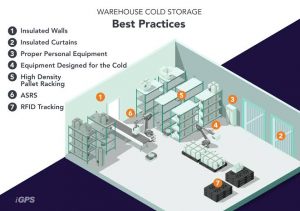
Cold storage facilities are specialised warehouses or storage areas designed to keep products at controlled temperatures. Depending on the products being stored, these facilities may provide chilled, refrigerated, frozen, or highly controlled environments.
Unlike conventional warehouses, cold storage facilities use refrigeration systems, insulation, temperature monitoring equipment, and other technologies to maintain appropriate conditions. This allows businesses to store products safely for extended periods without compromising their quality.
Cold storage can be used at different stages of the supply chain, including after production, during processing, before distribution, and while products are waiting to reach retailers or customers.
Protecting Perishable Products
One of the most important roles of cold storage is protecting perishable goods. Products such as fresh fruit, vegetables, meat, seafood, dairy, and prepared foods can deteriorate quickly when exposed to unsuitable temperatures.
Temperature-controlled storage helps slow the natural processes that cause food to spoil. It can also help preserve the appearance, texture, flavour, freshness, and overall quality of products.
For businesses, this means products are more likely to remain in saleable condition as they move through the supply chain. Maintaining quality from production to the end customer can also improve customer satisfaction and reduce complaints associated with damaged or spoiled goods.
Maintaining the Cold Chain
The cold chain refers to the temperature-controlled process used to store and transport products from their point of origin to their final destination. Every stage of this process matters.
If products are properly refrigerated during transportation but are then placed in an unsuitable storage environment, the cold chain can be compromised. Cold storage facilities provide an important connection between different stages of distribution and help ensure products remain within their required temperature range.
Reducing Waste and Product Loss
Product waste is a major concern for businesses that handle perishable goods. Spoilage can occur when products are exposed to excessive heat, incorrect humidity levels, prolonged storage times, or temperature fluctuations.
Cold storage can help reduce these risks by creating controlled conditions that extend the usable life of many products. Businesses can therefore minimise unnecessary stock losses and make better use of the products they purchase, manufacture, or harvest.
Reducing waste can also have financial benefits. Instead of regularly replacing spoiled inventory, businesses can protect more of their stock and improve the overall efficiency of their operations.
Improving Inventory Management
Effective inventory management is essential for a reliable supply chain. Businesses need to balance product availability with demand while avoiding excessive stock and unnecessary losses.
Cold storage facilities can provide businesses with additional capacity for managing inventory. Products can be stored safely until they are required for processing, distribution, or sale.
Managing Seasonal Supply
Many industries experience seasonal changes in supply and demand. Agriculture is a good example, as certain fruits and vegetables may be available in large quantities during specific periods.
Cold storage allows businesses to preserve suitable products for longer and distribute them according to market requirements. This can reduce pressure during periods of high production and help maintain product availability when supply decreases.
Supporting Efficient Distribution
Cold storage facilities can improve the efficiency of distribution networks by providing strategically located storage points between suppliers and customers.
Rather than sending products directly from a producer to every individual retailer or customer, businesses can consolidate goods at a temperature-controlled facility. Orders can then be organised, prepared, and dispatched according to demand.
This can help businesses coordinate transportation more effectively and potentially reduce unnecessary journeys, delivery delays, and handling requirements.
Supporting Faster Order Fulfilment
A well-managed cold storage facility can also make it easier to prepare orders quickly. Inventory can be organised according to product type, destination, expiry dates, and customer requirements.
When products are readily accessible and stored in appropriate conditions, businesses can streamline picking and dispatch processes. This can be particularly valuable for retailers, wholesalers, food service providers, and businesses with frequent delivery schedules.
Supporting Food Safety and Quality Standards
Temperature control is an important consideration when handling many types of food and other sensitive products. Poor storage conditions can increase the risk of deterioration and, in some circumstances, food safety issues.
Cold storage facilities help businesses maintain controlled environments that support appropriate storage practices. Temperature monitoring systems can provide valuable information about storage conditions and help identify problems that require attention.
Businesses can also establish procedures for checking incoming and outgoing products, monitoring temperatures, rotating inventory, and managing stock according to appropriate storage requirements.
Benefits for Different Industries
Cold storage is important across a wide range of industries. Food manufacturers and distributors use refrigerated facilities to protect ingredients and finished products. Fresh produce businesses rely on temperature-controlled environments to preserve harvested goods.
The pharmaceutical and healthcare sectors may also require specialised temperature-controlled storage for certain products. Meanwhile, supermarkets, restaurants, catering companies, and food service providers use cold storage to manage perishable inventory.
Supporting Agriculture and Food Production
For agricultural producers, cold storage can help bridge the gap between harvesting and distribution. Instead of being forced to sell or transport products immediately, suitable goods can be stored under controlled conditions.
For food manufacturers, cold storage provides a place to hold ingredients, partially processed products, and finished goods before they move to the next stage of the supply chain.
Reducing Supply Chain Disruptions
Supply chains can be affected by unexpected events, including transportation delays, changes in demand, production interruptions, and weather-related challenges. Having access to reliable cold storage can provide businesses with greater flexibility when these situations occur.
Additional temperature-controlled capacity allows businesses to hold inventory safely while alternative transportation or distribution arrangements are made. This can make the overall supply chain more resilient and reduce the impact of unexpected delays.
Choosing a Reliable Cold Storage Facility
Selecting the right cold storage provider is an important decision. Businesses should consider factors such as storage capacity, temperature ranges, monitoring systems, location, security, handling procedures, and maintenance.
Consider Capacity and Scalability
Storage requirements can change over time. A suitable facility should be capable of handling current inventory volumes while offering flexibility for seasonal demand or future business growth.
Evaluate Temperature Monitoring
Reliable temperature monitoring is essential for protecting sensitive products. Businesses should understand how temperatures are monitored, recorded, and managed and what procedures are in place if equipment problems occur.
Consider Location and Transport Access
A strategically located facility can help reduce transportation times and make distribution more efficient. Easy access to major roads, transport networks, suppliers, and customers can be an important consideration when choosing a cold storage provider.
Conclusion
Cold storage facilities are a vital component of modern supply chains, particularly for businesses that handle perishable and temperature-sensitive products. They help protect product quality, reduce waste, improve inventory management, support efficient distribution, and maintain appropriate storage conditions.
By providing reliable temperature-controlled environments, cold storage facilities help businesses connect production, storage, transportation, and distribution more effectively. As supply chains become increasingly complex and customer expectations continue to grow, dependable cold storage will remain an important part of maintaining product quality and operational efficiency.
For businesses looking to strengthen their supply chain, investing in reliable cold storage capacity can provide greater flexibility, reduce product losses, and help ensure goods reach their destination in the best possible condition.
Recent Comments