
Materials for Cold Room Construction: Building Efficient and Durable Cold Storage Facilities
Introduction
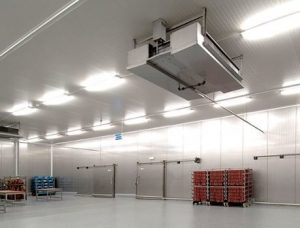
Cold rooms are essential for preserving perishable goods across various industries, including food, pharmaceuticals, and biotechnology. The effectiveness of a cold room largely depends on the materials used in its construction. Selecting the right materials ensures optimal thermal performance, energy efficiency, and compliance with industry standards. This article explores the key materials used in cold room construction, highlighting their properties and applications.
1. Insulated Panels: Core Components of Cold Room Walls
Polyurethane (PUR) Panels
Polyurethane panels are widely used in cold room construction due to their excellent thermal insulation properties. They consist of a rigid foam core sandwiched between two durable metal sheets, typically steel or aluminum. PUR panels offer high thermal resistance, reducing heat transfer and minimizing energy consumption. They are also lightweight and easy to install, making them a cost-effective choice for many applications.
Polyisocyanurate (PIR) Panels
Polyisocyanurate panels are similar to PUR panels but offer even higher thermal resistance. They are ideal for cold rooms requiring stringent temperature control. PIR panels are also fire-resistant, adding an extra layer of safety to the cold storage facility. However, they may be more expensive than PUR panels, making them suitable for high-end applications where performance is critical.
Mineral Wool Panels
Mineral wool panels are made from natural or synthetic minerals and are known for their fire-resistant properties. While they may have slightly lower thermal insulation values compared to PUR and PIR panels, they are an excellent choice for applications where fire safety is a priority. Additionally, mineral wool panels are environmentally friendly and offer good soundproofing qualities.
Expanded Polystyrene (EPS) Panels
Expanded Polystyrene panels are cost-effective insulation materials commonly used in cold room construction. They provide adequate thermal resistance and are lightweight, making them easy to handle and install. However, EPS panels are more susceptible to moisture absorption and may not offer the same level of thermal performance as PUR or PIR panels.
2. Structural Elements: Ensuring Stability and Durability
Steel Framework
The structural framework of a cold room is typically made from galvanized steel. Steel provides strength and durability, ensuring the stability of the cold room structure. It is also resistant to corrosion, which is crucial in environments with high humidity levels. Additionally, steel is fire-resistant and can withstand the mechanical stresses associated with cold room operations.
Concrete Flooring
Concrete is commonly used for cold room flooring due to its strength and durability. It can withstand heavy loads and is resistant to wear and tear. Concrete floors can be treated with antimicrobial coatings to prevent the growth of bacteria and mold, ensuring a hygienic environment. Additionally, concrete provides thermal mass, helping to maintain stable temperatures within the cold room.
Antimicrobial Coatings
Applying antimicrobial coatings to surfaces within the cold room can help prevent the growth of bacteria, mold, and other pathogens. These coatings are particularly important in food and pharmaceutical storage areas, where hygiene is paramount. They can be applied to walls, floors, and equipment to maintain a clean and safe environment.
3. Doors and Seals: Maintaining Temperature Integrity
Insulated Doors
Insulated doors are essential for maintaining the desired temperature within the cold room. They are typically made from the same materials as the cold room panels, such as PUR or PIR, and are fitted with high-quality seals to prevent air leaks. Insulated doors help minimize energy loss and ensure efficient operation of the refrigeration system.
High-Speed Doors
High-speed doors are designed to open and close quickly, reducing the amount of time the cold room is exposed to ambient temperatures. They are particularly useful in high-traffic areas where frequent access is required. High-speed doors help maintain temperature integrity and improve energy efficiency by minimizing air exchange between the cold room and the external environment.
Sealing Systems
Effective sealing systems are crucial for preventing air leaks and maintaining the desired temperature within the cold room. Seals should be made from durable, flexible materials that can withstand the rigors of cold environments. Regular inspection and maintenance of seals are necessary to ensure their effectiveness and prolong the lifespan of the cold room.
Recent Comments