
How to Improve Efficiency in Cold Storage Operations
Cold storage operations are essential to the global supply chain, ensuring that perishable goods such as food, pharmaceuticals, and chemicals remain safe and usable. However, maintaining efficiency in a cold storage environment is challenging due to high energy demands, strict temperature requirements, and complex logistics. Improving efficiency is not only about reducing costs—it also enhances product quality, reduces waste, and increases overall operational reliability.
This article explores practical strategies and best practices for improving efficiency in cold storage operations in 2026 and beyond.
1. Optimize Temperature Management Systems
Temperature control is the foundation of cold storage efficiency. Even minor fluctuations can lead to product spoilage and increased energy consumption.
Maintain consistent temperature zones
Cold storage facilities often store multiple product types requiring different temperature ranges. Proper zoning ensures that each product is stored under ideal conditions without wasting energy cooling unused space. Efficient zoning reduces unnecessary strain on refrigeration systems.
Use smart temperature monitoring systems
Modern IoT-based sensors allow real-time monitoring of temperature and humidity levels throughout the facility. These systems provide alerts when conditions deviate from set thresholds, enabling immediate corrective action and preventing product loss.
Reduce temperature fluctuations from door openings
Frequent door openings can significantly impact internal temperatures. Installing high-speed insulated doors and air curtains helps minimize heat exchange between internal and external environments, improving overall stability.
2. Improve Energy Efficiency and Reduce Consumption
Energy costs are one of the largest expenses in cold storage operations. Improving energy efficiency is critical for long-term profitability.
Upgrade refrigeration systems
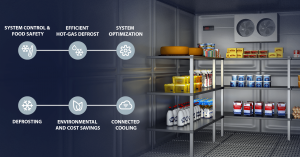
Older refrigeration systems consume significantly more energy. Upgrading to modern, variable-speed compressors and energy-efficient cooling units can drastically reduce electricity usage while maintaining performance.
Enhance insulation performance
High-quality insulation reduces heat transfer, allowing refrigeration systems to work less intensively. Improving wall, ceiling, and floor insulation directly reduces energy consumption and stabilizes internal temperatures.
Implement energy management systems
Energy management software can track usage patterns and identify inefficiencies. By analyzing consumption data, operators can adjust system settings and reduce peak energy demand.
3. Streamline Warehouse Layout and Workflow
An inefficient layout can slow operations, increase labor costs, and raise the risk of product damage.
Design efficient product flow paths
Cold storage facilities should be designed to minimize the distance goods travel from receiving to storage to dispatch. Straight-line workflows reduce handling time and improve throughput efficiency.
Separate temperature zones logically
Organizing zones based on temperature requirements and product type helps reduce cross-contamination risks and ensures efficient cooling management.
Reduce unnecessary handling
Every time a product is moved, there is a risk of temperature exposure. Designing systems that minimize handling steps improves both speed and product integrity.
4. Implement Automation and Digital Technologies
Automation is one of the most effective ways to improve efficiency in modern cold storage operations.
Automated storage and retrieval systems (AS/RS)
AS/RS technology enables high-density storage and automated handling of goods, reducing manual labor and increasing accuracy. These systems also optimize space utilization, reducing the need for facility expansion.
Warehouse management systems (WMS)
A WMS improves inventory accuracy, tracks product movement, and ensures proper stock rotation. It also integrates with other systems to provide real-time operational insights.
IoT and predictive analytics
Sensors and predictive analytics tools can identify equipment inefficiencies and forecast maintenance needs. This reduces downtime and prevents costly system failures.
5. Improve Inventory Management Practices
Efficient inventory management reduces waste and ensures that products are used within their optimal shelf life.
Implement FIFO and FEFO systems
First-In, First-Out (FIFO) and First-Expire, First-Out (FEFO) systems ensure older or soon-to-expire products are prioritized, reducing spoilage and waste.
Accurate demand forecasting
Using historical data and predictive tools helps align inventory levels with demand, preventing overstocking or underutilization of space.
Real-time stock tracking
Barcode and RFID systems enable accurate tracking of goods, improving visibility and reducing errors in inventory management.
6. Enhance Equipment Maintenance and Reliability
Well-maintained equipment is essential for consistent cold storage performance and energy efficiency.
Preventive maintenance schedules
Regular maintenance of refrigeration units, compressors, and insulation systems prevents unexpected breakdowns and ensures optimal performance.
Monitor equipment performance continuously
Smart sensors can track equipment efficiency and detect early signs of wear or malfunction, allowing for proactive maintenance.
Replace outdated equipment
Older systems often consume more energy and are prone to failure. Replacing them with modern alternatives improves reliability and reduces long-term costs.
7. Reduce Energy Loss Through Structural Improvements
The physical structure of a cold storage facility plays a major role in operational efficiency.
Improve door sealing and insulation
Poorly sealed doors can lead to significant energy loss. Upgrading seals and using insulated rapid doors reduces heat infiltration.
Optimize lighting systems
LED lighting generates less heat and consumes less power than traditional lighting systems, reducing overall energy demand.
Minimize thermal bridging
Thermal bridges allow heat to transfer through structural elements. Proper insulation design helps eliminate these weak points and improves energy efficiency.
8. Train Workforce for Operational Efficiency
Even with advanced systems, human performance remains a critical factor in cold storage efficiency.
Specialized training programs
Workers must understand cold storage protocols, equipment handling, and safety procedures to ensure smooth operations.
Improve safety awareness
Cold environments pose risks such as frostbite and slips. Proper safety training reduces accidents and improves productivity.
Encourage operational discipline
Standardized procedures ensure consistency in operations, reducing errors and improving overall efficiency.
Conclusion
Improving efficiency in cold storage operations requires a holistic approach that combines technology, infrastructure, workforce training, and process optimization. From upgrading refrigeration systems to implementing automation and improving inventory management, each strategy contributes to reducing costs and enhancing performance.
As demand for cold chain logistics continues to grow, operators who invest in efficiency improvements will gain a significant competitive advantage. By focusing on energy optimization, smart technology, and streamlined workflows, cold storage facilities can achieve higher productivity, lower operational costs, and better product integrity in an increasingly demanding industry.
Recent Comments