
How to Maintain and Clean Cold Storage Curtains
Cold storage curtains play a vital role in maintaining temperature stability, improving energy efficiency, and supporting hygiene in refrigerated environments. Whether used in food processing facilities, pharmaceutical warehouses, or logistics hubs, these flexible barriers are constantly exposed to moisture, temperature fluctuations, and heavy traffic.
Because of this demanding environment, proper maintenance and cleaning are essential to ensure long-term performance and durability. Neglecting cold storage curtains can lead to reduced efficiency, contamination risks, and premature wear. This article explains how to maintain and clean cold storage curtains effectively, ensuring they continue to function optimally.
Why Maintenance of Cold Storage Curtains Is Important
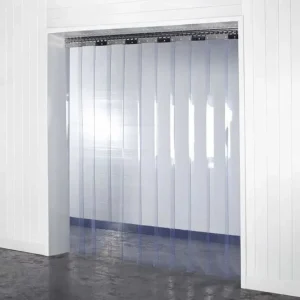
Cold storage curtains are often overlooked during routine facility maintenance, but they are critical components of temperature-controlled systems.
Ensuring Temperature Efficiency
Dirty, damaged, or misaligned curtains can create gaps that allow warm air to enter and cold air to escape. This reduces temperature stability and forces refrigeration systems to work harder, increasing energy consumption.
Regular maintenance ensures that curtains remain properly aligned and fully functional, minimizing air exchange and supporting energy efficiency.
Extending Curtain Lifespan
Cold storage curtains are exposed to constant movement, friction, and environmental stress. Without proper care, they can become brittle, cracked, or distorted over time.
Routine maintenance helps extend their lifespan by preventing minor issues from developing into major damage.
Maintaining Hygiene Standards
In industries such as food and pharmaceuticals, hygiene is critical. Curtains can accumulate dirt, grease, and microbial buildup if not cleaned regularly.
Proper cleaning reduces contamination risks and helps maintain compliance with safety and hygiene regulations.
Types of Cold Storage Curtains and Their Cleaning Needs
Different curtain types require slightly different cleaning approaches depending on material and usage conditions.
PVC Strip Curtains
PVC strip curtains are the most common type used in cold storage environments. They are relatively easy to clean but require regular attention due to frequent contact with people and equipment.
Polar Grade Curtains
Designed for freezing conditions, polar grade curtains remain flexible in low temperatures. Cleaning must be done carefully to avoid damaging their specialized material properties.
Insulated Curtains
Insulated curtains contain layered materials and require more delicate cleaning to preserve their thermal efficiency. Harsh chemicals or abrasive tools should be avoided.
Heavy-Duty Curtains
Heavy-duty curtains are built for high-traffic environments. While durable, they still require regular cleaning to remove grease, dust, and impact marks from machinery.
Step-by-Step Guide to Cleaning Cold Storage Curtains
Proper cleaning techniques help maintain performance while avoiding damage to the curtain material.
Step 1: Prepare the Cleaning Area
Before cleaning, ensure the cold storage area is safe and accessible. If possible, schedule cleaning during low-traffic periods to minimize disruption.
Turn off or limit nearby equipment if necessary, and ensure workers wear appropriate protective clothing, especially in low-temperature environments.
Step 2: Remove Loose Dirt and Debris
Start by removing surface dust and debris using a soft brush or dry cloth. This prevents scratching during the washing process.
For heavily used areas, such as loading docks, this step is especially important due to accumulated dirt from forklifts and pallets.
Step 3: Use Mild Cleaning Solutions
Prepare a mild cleaning solution using warm water and a non-abrasive detergent. Avoid harsh chemicals such as bleach or solvents, as these can damage PVC or insulation materials.
Gently wipe each curtain strip using a soft cloth or sponge, ensuring both sides are cleaned thoroughly.
Step 4: Rinse and Remove Residue
After cleaning, rinse the curtains with clean water to remove any detergent residue. Leftover cleaning agents can cause material degradation over time.
In industrial settings, low-pressure water systems can be used for more efficient rinsing.
Step 5: Dry the Curtains Properly
Allow the curtains to air dry completely before resuming normal use. In cold storage environments, ensure they are fully dry to prevent ice buildup or sticking between strips.
Avoid using high heat or direct industrial dryers, as these can warp or damage the material.
Routine Maintenance Practices for Cold Storage Curtains
In addition to cleaning, regular maintenance helps ensure long-term performance and reliability.
Inspect for Damage Regularly
Frequent inspections help identify issues such as cracks, tears, or misalignment. Damaged strips should be replaced promptly to maintain an effective barrier.
Even small gaps can significantly impact temperature control efficiency.
Check Alignment and Overlap
Curtains must overlap properly to ensure a tight seal. Misaligned strips can create air leaks, reducing their effectiveness.
Adjust or reposition strips as needed to maintain consistent coverage across entry points.
Replace Damaged Strips
One of the advantages of PVC strip curtains is that individual strips can be replaced without replacing the entire system.
Replace worn or damaged strips immediately to restore full functionality and prevent energy loss.
Monitor High-Traffic Areas
Entry points with heavy forklift or pallet traffic tend to experience more wear and tear. These areas should be inspected more frequently than low-traffic zones.
Reinforced or thicker strips may be used in these locations for added durability.
Common Cleaning Mistakes to Avoid
Improper cleaning techniques can reduce the effectiveness and lifespan of cold storage curtains.
Using Harsh Chemicals
Strong chemicals such as bleach, ammonia, or industrial solvents can degrade PVC material and reduce flexibility. Always use mild, non-corrosive cleaning agents.
Ignoring Regular Cleaning Schedules
Delaying cleaning allows dirt and contaminants to build up, making them harder to remove and increasing hygiene risks.
Establishing a regular cleaning schedule helps maintain consistent performance.
Using Abrasive Tools
Scrubbing with hard brushes or abrasive pads can scratch the curtain surface, reducing transparency and weakening the material over time.
Always use soft cloths or sponges.
Failing to Dry Properly
Leaving moisture on curtains can lead to mold growth or ice formation in cold environments. Proper drying is essential for maintaining hygiene and functionality.
Best Practices for Long-Term Curtain Performance
Following best practices ensures that cold storage curtains remain effective for years.
Establish a Maintenance Schedule
Set up a regular maintenance routine based on usage levels. High-traffic facilities may require weekly cleaning, while lower-traffic areas may need monthly maintenance.
Train Staff Properly
Ensure staff understand how to clean and maintain curtains correctly. Proper training reduces the risk of accidental damage during cleaning or operation.
Use Environment-Specific Materials
Choose curtain types suited to your facility’s temperature and traffic conditions. For example, polar grade curtains are better for freezing environments, while heavy-duty options are ideal for warehouses.
Document Inspections and Repairs
Keeping records of inspections, cleaning, and repairs helps track curtain performance over time and identify recurring issues.
Conclusion
Maintaining and cleaning cold storage curtains is essential for ensuring efficient temperature control, hygiene, and operational performance. These curtains are constantly exposed to challenging conditions, making regular care a necessity rather than an option.
By following proper cleaning procedures, performing routine inspections, and replacing damaged components promptly, businesses can significantly extend the lifespan of their curtains and improve overall cold storage efficiency.
In modern refrigeration and cold chain environments, well-maintained curtains are not just a supporting feature—they are a key factor in maintaining reliable and cost-effective operations.
Recent Comments