
The Rise of Intelligent Cold Storage Facilities
The cold storage industry is entering a new era as intelligent technology transforms traditional refrigerated warehouses into advanced, connected facilities. Businesses across food distribution, pharmaceuticals, agriculture, and logistics are increasingly adopting smart solutions to improve efficiency, reduce costs, and maintain better control over temperature-sensitive products.
Intelligent cold storage facilities combine automation, artificial intelligence, Internet of Things (IoT) technology, robotics, and data analytics to create highly efficient warehouse environments. These technologies allow operators to monitor conditions in real time, predict potential problems, optimize energy usage, and streamline daily operations.
As supply chains become more complex and customer expectations continue to rise, intelligent cold storage is becoming essential for businesses looking to improve reliability, productivity, and sustainability.
Understanding Intelligent Cold Storage Facilities
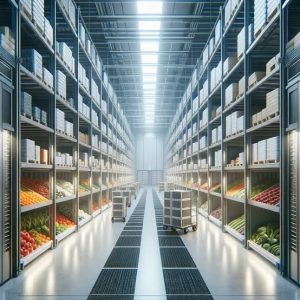
An intelligent cold storage facility is a modern warehouse that uses connected technology and automated systems to manage temperature-controlled operations. Unlike traditional cold storage facilities that rely heavily on manual processes, intelligent facilities use advanced software and equipment to collect data, analyze performance, and make informed decisions.
These facilities are designed to provide greater visibility and control throughout the entire storage process. From monitoring temperature conditions to managing inventory movement, intelligent systems help businesses operate more accurately and efficiently.
The goal of intelligent cold storage is not simply to automate tasks but to create a smarter environment where technology supports better decision-making and improved performance.
The Shift from Traditional Warehousing to Smart Operations
Traditional cold storage operations often depended on manual inspections, paper-based records, and employee-driven processes. While these methods have supported the industry for decades, they can create challenges related to accuracy, efficiency, and response times.
Intelligent facilities replace many manual processes with automated monitoring systems, connected devices, and advanced analytics. This shift allows businesses to identify issues faster, reduce errors, and improve overall warehouse management.
The Role of IoT Technology in Intelligent Cold Storage
The Internet of Things (IoT) is one of the most important technologies driving the growth of intelligent cold storage. IoT devices use connected sensors to collect information from different areas of a facility and provide real-time insights.
Sensors can monitor temperature, humidity, energy usage, equipment performance, and product conditions. This continuous flow of information allows operators to maintain better control over their storage environment.
Real-Time Monitoring and Temperature Management
Temperature control is one of the most critical aspects of cold storage operations. Products such as fresh food, vaccines, and pharmaceuticals require precise conditions to maintain safety and quality.
Intelligent cold storage facilities use IoT-enabled sensors to monitor temperatures continuously. If conditions move outside acceptable limits, automated alerts notify facility managers immediately.
This allows businesses to respond quickly to potential issues and prevent product damage. Real-time monitoring also creates detailed records that support compliance requirements and quality assurance processes.
Connected Equipment and Facility Management
IoT technology also improves the management of refrigeration systems and other critical equipment. Connected devices can track equipment performance and identify unusual operating patterns.
By monitoring machinery continuously, businesses can detect early warning signs of potential failures and schedule maintenance before major problems occur.
Automation Improves Efficiency and Productivity
Automation is a key feature of intelligent cold storage facilities. Automated systems help businesses complete tasks faster, reduce labor requirements, and improve accuracy.
Cold storage environments can be challenging workplaces due to low temperatures and demanding physical conditions. Automation helps reduce employee exposure to these challenges while improving operational consistency.
Automated Storage and Retrieval Systems
Automated storage and retrieval systems (AS/RS) are transforming how products are stored and accessed. These systems use computer-controlled machinery to place and retrieve inventory automatically.
AS/RS technology allows facilities to maximize storage capacity by using vertical space and reducing the need for traditional warehouse layouts. This is particularly valuable in cold storage because refrigerated space requires significant investment.
By improving storage density and reducing manual handling, automated systems help businesses lower operating costs and increase efficiency.
Robotics in Warehouse Operations
Robotic technology is becoming increasingly common in intelligent cold storage facilities. Robots can transport goods, assist with picking and packing, and manage repetitive warehouse tasks.
Autonomous mobile robots use sensors and navigation technology to move safely through facilities while improving workflow efficiency.
Robotics allows employees to focus on more complex responsibilities while machines handle repetitive tasks. This combination of human expertise and automated technology creates more productive operations.
Artificial Intelligence and Data-Driven Decision Making
Artificial intelligence (AI) is helping intelligent cold storage facilities become more responsive and efficient. AI systems analyze large amounts of operational data to identify trends, predict problems, and recommend improvements.
Rather than simply collecting information, intelligent systems can use data to support better decision-making.
Predictive Maintenance and Equipment Reliability
Unexpected refrigeration failures can result in significant financial losses and product waste. AI-powered predictive maintenance helps prevent these problems by analyzing equipment performance data.
Artificial intelligence can identify patterns that indicate potential failures before they happen. Maintenance teams can then address issues proactively, reducing downtime and extending equipment lifespan.
This approach improves reliability while lowering long-term maintenance costs.
Optimizing Inventory Management
AI also improves inventory management by providing better visibility into product movement and storage conditions.
Intelligent systems can track inventory levels, monitor expiration dates, and identify the most efficient ways to organize products within a facility.
These insights help businesses reduce waste, improve stock rotation, and ensure products are handled according to specific requirements.
Energy Efficiency and Sustainability Advantages
Energy consumption is one of the biggest challenges facing cold storage operators. Refrigeration systems require significant power to maintain consistent temperatures, making energy efficiency a major priority.
Intelligent technology helps businesses reduce energy usage by optimizing refrigeration performance and identifying areas where energy is being wasted.
Smart Refrigeration Controls
Modern refrigeration systems use intelligent controls that automatically adjust cooling performance based on real-time conditions.
These systems can respond to changes in temperature, occupancy, and product requirements to maintain efficiency without compromising product quality.
By using energy more effectively, intelligent cold storage facilities can reduce operational expenses and support sustainability initiatives.
Reducing Waste Through Better Management
Intelligent cold storage also helps reduce waste by improving inventory accuracy and maintaining better product conditions.
When businesses have greater visibility into their operations, they can make better decisions about purchasing, storage, and distribution.
This leads to fewer damaged products, improved resource efficiency, and a more sustainable supply chain.
The Future of Intelligent Cold Storage Facilities
The future of cold storage will continue to be shaped by innovation and digital transformation. As technology advances, intelligent facilities will become even more automated, connected, and efficient.
Future developments may include fully autonomous warehouses, advanced AI systems capable of managing entire operations, and even greater integration between storage facilities and global supply chains.
Businesses that invest in intelligent cold storage technology will be better prepared to handle increasing demand, changing customer expectations, and evolving industry challenges.
Conclusion
The rise of intelligent cold storage facilities represents a major advancement in the way temperature-controlled warehouses operate. Through IoT technology, automation, robotics, artificial intelligence, and advanced analytics, businesses can achieve greater efficiency, accuracy, and reliability.
These smart facilities are helping companies reduce costs, protect valuable products, improve sustainability, and create stronger supply chains. As the demand for faster and more reliable cold storage solutions continues to grow, intelligent technology will play an increasingly important role in shaping the future of the industry.
Recent Comments