
Bi-Parting Hinged Doors for Cold Storage
Cold storage facilities rely on effective temperature control, efficient movement, and reliable equipment to protect temperature-sensitive products. One of the most important components in these environments is the door. Every time a cold room or refrigerated area is opened, warm air can enter and cold air can escape, potentially affecting energy consumption, product quality, and operating conditions.
What Are Bi-Parting Hinged Doors?
Bi-parting hinged doors are designed with two door leaves that open from the centre, moving in opposite directions. Unlike a single large hinged door, the bi-parting configuration allows personnel, equipment, and goods to enter and exit through a more manageable opening.
These doors can be used across a range of temperature-controlled environments, including cool rooms, freezer rooms, refrigerated warehouses, food processing facilities, distribution centres, and other commercial cold storage applications.
The design can be particularly useful where frequent access is required. Instead of opening one large door across the entire doorway, operators can use the appropriate opening depending on the size and nature of the movement taking place.
Why Are Bi-Parting Hinged Doors Suitable for Cold Storage?
Cold storage environments have unique requirements. Doors need to withstand frequent use while helping maintain stable internal temperatures. They also need to provide dependable performance in environments where moisture, condensation, temperature fluctuations, and heavy traffic may be present.
Improved Access
A bi-parting configuration provides a practical access solution for busy cold storage areas. The two-panel design can make it easier for workers to move through the doorway without needing to operate a large, single door.
This can be particularly beneficial in facilities where employees regularly move between refrigerated and non-refrigerated areas. Efficient access can help support smoother workflows and reduce unnecessary delays during daily operations.
Temperature Control
Maintaining the correct temperature is a key priority in cold storage. Doors that remain open for extended periods can contribute to temperature fluctuations and increased energy use.
Bi-parting hinged doors can help limit the size of the opening when access is required. When appropriately designed and installed, the door assembly can help reduce unnecessary air exchange between the cold room and surrounding environment.
Durability
Cold storage doors are often exposed to demanding operating conditions. Frequent opening and closing, contact with carts or equipment, moisture, and temperature variations can place additional stress on door components.
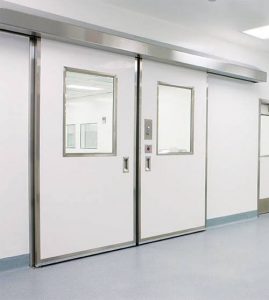
A well-designed bi-parting hinged door can incorporate durable materials, robust hinges, protective surfaces, and suitable seals to support long-term performance.
Key Features of Bi-Parting Cold Storage Doors
When selecting a bi-parting hinged door for a cold storage facility, several design features should be considered.
Insulated Door Panels
Insulation is an important part of any cold storage door. Insulated panels help create a barrier between the controlled internal environment and the surrounding area.
The appropriate insulation construction will depend on factors such as the required operating temperature, room configuration, door dimensions, and facility requirements.
Effective Door Seals
Door seals help minimise gaps around the door when it is closed. A properly fitted sealing system can support temperature control by reducing unwanted air movement.
Seals should be suitable for the conditions in which the door will operate and should be checked regularly for signs of wear, damage, or deterioration.
Heavy-Duty Hinges
Hinges play an important role in the operation of bi-parting hinged doors. Because cold storage doors may be opened and closed frequently, hinges need to support repeated movement while maintaining reliable alignment.
Selecting appropriate hardware can contribute to smooth operation and help reduce premature component failure.
Durable Surfaces
Cold storage doors may be exposed to impact from trolleys, forklifts, pallets, and other equipment. Durable door surfaces can help protect the panels from everyday wear.
For food-related applications, surfaces should also be practical to clean and maintain, helping facilities meet their operational and hygiene requirements.
Applications for Bi-Parting Hinged Doors
Bi-parting hinged doors can be suitable for many different temperature-controlled applications. Their configuration makes them useful in areas where regular movement is required without necessarily needing a large opening.
Cold Rooms
Cold rooms used for food, beverages, pharmaceuticals, and other temperature-sensitive products require dependable access while maintaining controlled conditions. Bi-parting doors can provide a practical entry and exit solution.
Freezer Facilities
Freezer environments require doors capable of operating at significantly lower temperatures. Door construction, insulation, seals, and hardware should therefore be selected according to the specific freezer application.
Food Processing Areas
Food processing facilities often experience high levels of traffic between production, storage, and preparation areas. A durable, easy-to-operate door can help support efficient movement while maintaining separation between different environments.
Distribution Centres
Modern distribution centres may handle large volumes of temperature-sensitive products. Reliable cold storage doors can contribute to efficient workflows by providing dependable access between storage zones and other parts of the facility.
Benefits for Cold Storage Operations
Choosing the right door configuration can have an impact beyond simple access. A suitable bi-parting hinged door can support several aspects of day-to-day facility performance.
Efficient Workflow
When employees can move efficiently through cold storage areas, unnecessary interruptions can be reduced. This is particularly valuable in facilities with frequent loading, unloading, picking, and stock movement activities.
Reduced Temperature Fluctuations
Every opening of a cold storage door creates an opportunity for air exchange. A suitable door design, combined with good operating practices, can help minimise the duration and extent of these exchanges.
Long-Term Reliability
Cold storage doors are an investment in the infrastructure of a facility. Selecting a door designed for the intended environment can help reduce maintenance requirements and support consistent operation over time.
Choosing the Right Bi-Parting Hinged Door
There is no single door solution that is suitable for every cold storage facility. The right choice depends on the specific application and operating environment.
Consider the Temperature
Start by identifying the temperature range in which the door will operate. A door intended for a chilled environment may have different requirements from one designed for a low-temperature freezer.
Assess Traffic Levels
Consider how frequently the door will be opened and what types of equipment will pass through it. High-traffic areas may require more robust construction and hardware.
Measure the Opening
Door dimensions should be carefully assessed before installation. The available opening, required clearance, ceiling height, and surrounding equipment can all influence the appropriate door configuration.
Consider Maintenance Requirements
Regular inspection and maintenance can help extend the working life of a cold storage door. Look for a design that provides practical access to components such as hinges, seals, and other hardware when servicing is required.
Maintenance of Bi-Parting Hinged Cold Storage Doors
Even durable doors require regular attention. Operators should periodically inspect the door panels, hinges, handles, seals, and other components for damage or excessive wear.
Door seals should be checked to ensure they remain properly positioned and continue to provide an effective seal. Hinges and moving components should also be inspected according to the manufacturer’s recommendations.
If a door becomes difficult to open, does not close correctly, or shows visible damage, it should be assessed promptly. Addressing smaller issues early can help prevent more significant operational problems.
Conclusion
Bi-parting hinged doors can provide an effective access solution for cold rooms, freezer facilities, food processing areas, and other temperature-controlled environments. Their two-panel design combines practical access with the potential to support temperature management, efficient workflows, and long-term durability.
When choosing a bi-parting hinged door, businesses should consider the operating temperature, traffic levels, opening dimensions, insulation, sealing system, hardware, and maintenance requirements. Selecting a door designed specifically for the intended application can help create a more reliable and efficient cold storage environment.
For facilities looking to improve access while maintaining controlled conditions, bi-parting hinged doors for cold storage can be a practical option worth considering.
Recent Comments