
The Importance of Cold Storage in Australia’s Food Industry
Australia’s food industry relies on a complex supply chain to move fresh, frozen and temperature-sensitive products from producers to consumers. From meat and seafood to dairy, fruit and vegetables, many food products require carefully controlled temperatures to maintain their quality and safety. This is where cold storage plays a critical role.
Cold storage facilities provide temperature-controlled environments where perishable goods can be stored before processing, distribution, retail or consumption. With Australia’s large geographic size, long transport distances and diverse food production industry, reliable cold storage is essential for maintaining the integrity of the food supply chain.
What Is Cold Storage?
Cold storage refers to specialised facilities designed to store products at controlled temperatures. Unlike conventional warehouses, cold storage facilities use refrigeration systems to create and maintain specific temperature conditions suitable for different types of products.
Different Types of Cold Storage
Cold storage can include chilled, frozen and temperature-controlled environments. Chilled storage is commonly used for products such as fresh meat, dairy, fruit and vegetables, while frozen storage is required for products that need to remain frozen throughout the supply chain.
Some facilities also provide multiple temperature zones, allowing different products to be stored under their specific requirements. This flexibility is particularly valuable for food manufacturers, wholesalers, distributors and retailers managing a wide range of products.
Why Is Cold Storage Important for Australia’s Food Industry?
Australia produces a significant amount of fresh and processed food, with products travelling considerable distances between farms, processing facilities, warehouses, retailers and consumers. Maintaining appropriate temperatures throughout this journey is essential.
Maintaining Food Safety
One of the most important functions of cold storage is helping businesses maintain food safety. Certain foods can become unsafe when exposed to unsuitable temperatures for extended periods.
Refrigerated storage helps control the conditions in which harmful bacteria can multiply. By keeping food within appropriate temperature ranges, cold storage facilities help businesses manage food safety risks and maintain products according to their storage requirements.
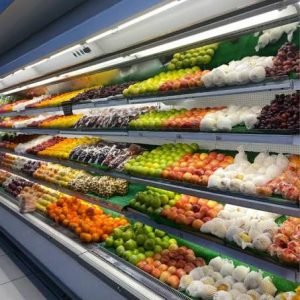
Temperature monitoring is also an important part of effective cold storage. Modern facilities can use monitoring systems to track conditions and identify temperature changes, helping operators respond quickly when problems occur.
Preserving Food Quality
Cold storage is not only about food safety. It also helps preserve the quality, appearance, texture and freshness of products.
Fresh produce, for example, can deteriorate rapidly when stored in unsuitable conditions. Meat and seafood can also experience quality issues if temperature control is not maintained.
By providing stable storage conditions, cold storage facilities can help businesses extend the usable life of products and ensure food reaches customers in better condition.
Reducing Food Waste
Food waste is a significant challenge across the Australian food supply chain. Products can become unsuitable for sale or consumption because of spoilage, temperature fluctuations, poor handling or delays during transportation.
Reliable cold storage can help reduce these risks by giving businesses a controlled environment for holding perishable products.
Extending Product Shelf Life
Proper refrigeration can slow the deterioration of many perishable foods, allowing them to remain suitable for longer. This gives businesses greater flexibility when managing inventory and distribution schedules.
Longer shelf life can also help reduce the amount of food discarded before it reaches consumers. For producers and distributors, this may translate into better inventory utilisation and fewer losses.
Supporting Australia’s Long-Distance Supply Chains
Australia presents unique logistical challenges because of its enormous geographic area. Food products may need to travel hundreds or even thousands of kilometres before reaching their final destination.
Cold storage facilities provide important links between different stages of this supply chain.
Connecting Producers, Processors and Retailers
A cold storage facility can act as a central point where products are received, stored and prepared for their next stage of distribution. This allows producers and manufacturers to manage stock without immediately sending products to retailers or customers.
For businesses operating across multiple regions, strategically located cold storage facilities can make it easier to coordinate deliveries and manage changing demand.
Supporting the Cold Chain
Cold storage is one component of the broader cold chain. The cold chain includes every stage involved in keeping temperature-sensitive products within their required conditions, from production and processing through to transportation, storage and delivery.
A break in temperature control at any point can potentially affect product quality and safety. Cold storage therefore plays an important role in maintaining continuity throughout the supply chain.
Cold Storage and Australia’s Food Exports
Australia is a major exporter of agricultural and food products. Meat, seafood, dairy products, fruit, vegetables and other temperature-sensitive goods are shipped to markets around the world.
Cold storage facilities support these export activities by providing secure, temperature-controlled locations where products can be held before transportation.
Meeting International Quality Requirements
Exporters need to ensure products are handled and stored according to relevant food safety, quality and market requirements. Reliable cold storage infrastructure can help businesses maintain consistent handling practices before products leave Australia.
Effective temperature control is particularly important when products are travelling long distances and may spend significant periods in storage and transit.
Improving Business Efficiency
Cold storage can also provide operational benefits for Australian food businesses. Rather than investing heavily in their own specialised refrigeration infrastructure, some businesses choose to use third-party cold storage providers.
Flexible Storage Capacity
Outsourcing cold storage can give businesses access to additional capacity when required. This can be particularly useful during seasonal production periods, promotional campaigns or periods of increased consumer demand.
Businesses can also potentially avoid the significant costs associated with constructing, maintaining and operating their own refrigerated warehouse.
Better Inventory Management
Professional cold storage facilities can provide businesses with organised systems for receiving, storing and dispatching temperature-sensitive products. This can make it easier to manage inventory and coordinate distribution.
When combined with inventory tracking and temperature monitoring technology, cold storage can become an important part of a more efficient supply chain.
The Role of Technology in Modern Cold Storage
Technology is continuing to transform the way cold storage facilities operate. Automated temperature monitoring, warehouse management systems, refrigeration technology and inventory tracking can all improve visibility and efficiency.
Real-Time Temperature Monitoring
Modern monitoring systems can provide ongoing information about storage conditions. Alerts can notify operators when temperatures move outside predefined limits, allowing potential issues to be addressed before they result in significant product losses.
Automation and Energy Efficiency
Advances in refrigeration and warehouse technology are also helping businesses improve energy efficiency. Automated systems can optimise storage processes, reduce unnecessary energy consumption and improve operational consistency.
As energy costs and environmental considerations become increasingly important, efficient cold storage will continue to be a priority for the Australian food industry.
Choosing the Right Cold Storage Facility
When selecting a cold storage provider, Australian food businesses should consider more than simply the amount of available space.
Factors such as temperature capabilities, monitoring systems, facility location, handling procedures, security, storage capacity and distribution services should all be assessed.
Reliability and Temperature Control
A reliable facility should be capable of consistently maintaining the temperatures required for the products being stored. Strong monitoring and contingency procedures are also important for protecting temperature-sensitive inventory.
Location and Distribution
The location of a cold storage facility can have a major impact on logistics costs and delivery times. Facilities positioned close to major transport routes, production areas or distribution centres may provide additional efficiency benefits.
The Future of Cold Storage in Australia
Demand for temperature-controlled storage is likely to remain important as Australia’s food industry continues to evolve. Growth in online grocery shopping, food exports, ready-to-eat products and consumer expectations for fresh food all contribute to the need for reliable cold chain infrastructure.
At the same time, businesses are increasingly looking for ways to improve efficiency, reduce waste and lower energy consumption. Cold storage facilities that combine reliable refrigeration with modern technology and efficient logistics will be well positioned to support these changing requirements.
Conclusion
Cold storage is a vital part of Australia’s food industry. It helps protect food safety, preserve product quality, reduce waste and maintain the cold chain across Australia’s long and complex supply networks.
From supporting local food distribution to facilitating international exports, temperature-controlled storage provides the infrastructure businesses need to safely manage perishable products.
As Australia’s food industry continues to grow, reliable and efficient cold storage facilities will remain essential for keeping food fresh, safe and moving efficiently from producers to consumers.
Recent Comments