
Temperature Monitoring Systems Every Cold Storage Facility Needs
Cold storage facilities play a critical role in preserving perishable goods such as food, pharmaceuticals, chemicals, and biotechnology products. Even minor temperature fluctuations can result in spoilage, financial losses, regulatory violations, and damage to brand reputation. That’s why implementing the right temperature monitoring systems is not optional—it is essential. Temperature Monitoring Systems Every Cold Storage Facility Needs
From basic digital thermometers to fully automated cloud-based monitoring platforms, modern cold storage facilities rely on layered temperature control solutions to maintain accuracy, ensure compliance, and prevent costly disruptions. This article explores the temperature monitoring systems every cold storage facility needs and how they work together to protect inventory and maintain operational efficiency.
Why Temperature Monitoring Is Critical in Cold Storage
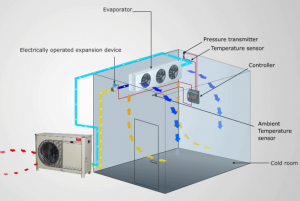
Cold storage environments must maintain consistent temperatures across different zones such as chilled rooms, freezer chambers, and blast freezers. A deviation of just a few degrees can:
Spoil perishable food products
Compromise vaccine or pharmaceutical efficacy
Cause inventory losses
Lead to non-compliance with food safety or pharmaceutical regulations
Damage customer trust
Regulatory bodies such as food safety authorities and pharmaceutical compliance agencies require accurate recordkeeping and documented proof of temperature stability. Therefore, monitoring systems must provide not only real-time readings but also historical data logging and alarm notifications.
Core Temperature Monitoring Systems Every Facility Needs
A comprehensive temperature monitoring setup combines multiple systems working together. Below are the essential components.
1. Digital Temperature Sensors
Digital temperature sensors form the backbone of any monitoring system. These sensors are installed throughout the facility in strategic locations, including:
Near doors
In storage racks
Close to evaporators
Inside product zones
In return air ducts
Modern digital sensors provide high-accuracy readings and minimal drift over time. They continuously measure ambient temperature and transmit data to a central control unit.
When selecting sensors, facility managers should prioritize:
High accuracy (±0.5°C or better)
Wide operating range (suitable for deep freezing conditions)
Moisture and corrosion resistance
Multiple sensors should be installed in large cold rooms to prevent blind spots and ensure consistent monitoring across the entire space.
2. Data Loggers
Data loggers automatically record temperature readings at predefined intervals. They store this information internally or transmit it to a centralized database. Data loggers are essential for:
Compliance documentation
Audits and inspections
Quality assurance records
Investigating temperature excursions
Advanced data loggers can store months or even years of temperature data. Many facilities use wireless loggers that communicate via Wi-Fi, radio frequency, or cellular networks, reducing the need for manual data retrieval.
Battery backup capability is crucial to ensure data recording continues even during power outages.
3. Real-Time Monitoring Systems
Real-time monitoring systems provide continuous oversight of temperature conditions across the facility. These systems typically include:
A central control panel
Monitoring software
Network-connected sensors
Live dashboards
Facility managers can view real-time temperature readings on computers, tablets, or mobile devices. This allows for immediate corrective action when deviations occur.
Real-time systems are particularly important for pharmaceutical storage, vaccine distribution centers, and large-scale food warehouses where inventory value is extremely high.
4. Alarm and Alert Systems
Monitoring without alerts is incomplete. Alarm systems notify personnel immediately when temperatures exceed predefined thresholds.
Alarm systems may include:
Audible on-site alarms
SMS notifications
Email alerts
Mobile app push notifications
Automated phone calls
Some advanced systems allow multi-tier alerting. For example, if the first contact does not respond within a set timeframe, the alert escalates to a supervisor or facility manager.
This layered alert system reduces response time and prevents small issues from becoming major losses.
Advanced Monitoring Solutions for Modern Cold Storage
As technology evolves, cold storage facilities are integrating more advanced systems to enhance reliability and automation.
5. Cloud-Based Monitoring Platforms
Cloud-based monitoring systems store temperature data remotely and allow access from anywhere in the world. These platforms offer:
Remote access
Automated reporting
Data analytics
Long-term storage
Multi-site management
For companies operating multiple cold storage facilities, cloud systems provide centralized visibility across all locations.
They also simplify compliance reporting by generating downloadable audit-ready reports.
6. IoT-Enabled Smart Sensors
Internet of Things (IoT) technology enhances monitoring precision and predictive capabilities. IoT-enabled sensors can:
Detect abnormal trends before failure occurs
Monitor humidity alongside temperature
Track door openings
Integrate with refrigeration equipment
These smart systems allow predictive maintenance. For example, if a cooling unit begins losing efficiency, temperature trend analysis may detect irregular patterns before a full breakdown happens.
Predictive alerts reduce downtime and extend equipment lifespan.
7. Redundant Monitoring Systems
Redundancy is critical in high-value storage environments. A secondary monitoring system acts as a backup in case the primary system fails.
Redundant setups may include:
Backup sensors
Independent power supplies
Secondary data loggers
Duplicate alarm systems
Pharmaceutical cold storage facilities often require dual monitoring systems to meet strict regulatory standards.
Integration with Building Management Systems (BMS)
Modern cold storage facilities often integrate temperature monitoring into a Building Management System (BMS). Integration allows temperature data to interact with:
HVAC controls
Refrigeration compressors
Defrost cycles
Power systems
If temperature rises above acceptable levels, the BMS can automatically adjust compressor operation or trigger emergency cooling protocols.
Automation reduces human error and enhances operational efficiency.
Calibration and Maintenance of Monitoring Systems
Even the most advanced system is ineffective without regular calibration and maintenance.
Routine Calibration
Temperature sensors must be calibrated periodically to maintain accuracy. Calibration schedules depend on regulatory requirements and facility type but are typically performed annually or semi-annually.
Calibration ensures readings remain within acceptable tolerance levels.
System Testing
Alarm systems should be tested regularly to verify proper notification delivery. Facilities should conduct mock temperature excursions to confirm:
Alerts trigger correctly
Notifications reach designated personnel
Escalation protocols function properly
Routine testing prevents failure during real emergencies.
Key Features to Look for in a Temperature Monitoring System
When selecting a monitoring solution, cold storage operators should prioritize:
High accuracy and reliability
24/7 real-time monitoring
Remote accessibility
Automated alerts
Data logging and reporting
Battery backup
Regulatory compliance support
Scalability for future expansion
Investing in a comprehensive system reduces risk and ensures long-term operational stability.
Regulatory Compliance Considerations
Cold storage facilities handling food or pharmaceuticals must meet strict regulatory requirements. Monitoring systems should support compliance with:
Hazard Analysis and Critical Control Points (HACCP)
Good Distribution Practice (GDP)
Good Manufacturing Practice (GMP)
Accurate recordkeeping and audit-ready reporting are essential components of compliance.
Facilities should ensure their monitoring system provides tamper-proof data logs and secure storage to meet inspection standards.
Conclusion
Temperature monitoring systems are the safeguard that protects inventory, revenue, and reputation in any cold storage facility. From digital sensors and data loggers to cloud-based platforms and IoT-enabled smart systems, each component plays a vital role in maintaining consistent environmental conditions.
A robust monitoring strategy includes real-time oversight, automated alerts, redundancy, and integration with broader facility management systems. Combined with routine calibration and maintenance, these systems provide reliable protection against temperature excursions and equipment failure.
Investing in comprehensive temperature monitoring is not merely a technical upgrade—it is a critical business decision that ensures compliance, operational efficiency, and long-term success in cold storage management.
Recent Comments