
Maintenance Tips for Long-Lasting PVC Strip Curtains in Cold Rooms
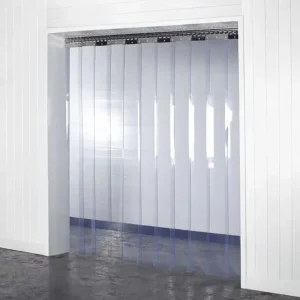
PVC strip curtains are widely used in cold rooms, refrigerated warehouses, food processing facilities, and commercial kitchens to maintain temperature control and reduce energy loss. While they are durable and cost-effective, their performance and lifespan depend heavily on regular maintenance. Without proper care, PVC strips can become cloudy, brittle, warped, or contaminated, reducing their effectiveness and increasing operational costs. Maintenance Tips for Long-Lasting PVC Strip Curtains in Cold Rooms
This guide provides practical, detailed maintenance tips to help you extend the life of PVC strip curtains in cold rooms while ensuring consistent performance and hygiene.
Understanding the Importance of PVC Strip Curtain Maintenance
Before looking at specific maintenance steps, it is important to understand why upkeep matters in cold storage environments.
Energy Efficiency and Temperature Control
PVC strip curtains act as a barrier between cold and warm environments. When properly maintained, they reduce air exchange and help refrigeration systems operate more efficiently. Damaged or dirty strips allow air leakage, forcing cooling systems to work harder and consume more energy.
Hygiene and Food Safety
In industries such as food storage and pharmaceuticals, cleanliness is critical. Dust, grease, mold, or condensation buildup on PVC strips can lead to contamination risks. Regular maintenance helps maintain sanitary conditions and compliance with safety standards.
Extended Product Lifespan
Well-maintained PVC curtains last significantly longer, reducing replacement costs and minimizing downtime for repairs or upgrades.
Regular Cleaning Procedures for PVC Strip Curtains
Cleaning is the most important aspect of maintenance. PVC strips accumulate dust, grease, and condensation over time, especially in high-traffic cold rooms.
Frequency of Cleaning
The cleaning schedule depends on usage:
Light-use cold rooms: once every 2–4 weeks
Food processing areas: weekly cleaning
High-grease environments: multiple times per week
Consistency is key to preventing buildup.
Recommended Cleaning Solutions
Use mild, non-abrasive cleaning agents such as:
Warm soapy water
Diluted food-safe disinfectants
PVC-safe cleaning solutions
Avoid harsh chemicals like:
Bleach (high concentration)
Solvents (acetone, thinners)
Abrasive powders
These can damage the PVC surface and cause clouding or brittleness.
Cleaning Method
Remove loose dust with a soft cloth or microfiber wipe
Wash strips individually or in sections
Wipe from top to bottom to prevent streaks
Dry with a clean cloth to avoid water spots or ice formation in cold rooms
For large installations, consider using low-pressure steam cleaning if approved for PVC materials.
Inspecting PVC Strip Curtains for Wear and Damage
Regular inspection helps identify problems before they become serious.
Common Signs of Wear
Watch for:
Cracks or splits in strips
Cloudiness or discoloration
Warping or curling edges
Loss of flexibility
Gaps between overlapping strips
These issues reduce insulation efficiency and should be addressed immediately.
Inspection Schedule
Weekly visual inspection in high-use areas
Monthly detailed inspection of all strips and hardware
Immediate inspection after heavy impacts (e.g., forklift contact)
Replacing Damaged PVC Strips
Replacing individual strips is more cost-effective than replacing the entire curtain system.
When to Replace Strips
Replace strips if:
They are torn or cracked
They no longer hang straight
They have permanent fogging or discoloration
They fail to return to position after movement
Replacement Process
Remove damaged strip from the mounting rail
Match replacement strip thickness and type
Ensure proper overlap with adjacent strips
Secure firmly into the hanging system
Maintaining consistent strip type ensures uniform performance across the curtain.
Preventing Frost and Condensation Build-Up
Cold rooms often experience moisture-related issues that can affect PVC curtains.
Causes of Condensation
Warm air entering cold spaces
High humidity environments
Poor air circulation
Frequent door openings
Prevention Methods
Ensure proper strip overlap to reduce air leakage
Install anti-frost or low-temperature PVC strips in freezer environments
Maintain stable humidity levels inside the facility
Avoid leaving curtains partially open for long periods
Regular wiping also helps prevent water droplets from freezing on strips.
Maintaining Mounting Hardware and Rails
The supporting structure of PVC strip curtains is just as important as the strips themselves.
Check for Loose Fixtures
Over time, vibration and frequent use can loosen screws and brackets. Inspect:
Mounting rails
Hook-on plates
Support brackets
Tighten any loose components immediately.
Rust and Corrosion Prevention
In cold and humid environments, metal components may corrode. To prevent this:
Use stainless steel or galvanized hardware
Apply anti-corrosion coatings where necessary
Replace rusted components promptly
Optimizing Curtain Performance in High-Traffic Areas
Cold storage facilities with forklifts or heavy pedestrian traffic require additional attention.
Adjusting Strip Thickness
Different traffic levels require different PVC types:
Light foot traffic: standard flexible strips
Forklift access: heavy-duty thick strips
Freezer environments: low-temperature flexible PVC
Choosing the right type reduces wear and tear.
Preventing Impact Damage
Install protective guards near high-impact zones
Train staff to pass through curtains properly
Avoid pushing loads directly through strips
Controlled movement significantly extends curtain life.
Seasonal Maintenance Checks
Cold storage environments may experience seasonal variations in temperature and humidity.
Pre-Winter Inspection
Before colder months:
Check for brittleness in PVC strips
Ensure freezer-grade strips are installed
Inspect seals for air leakage
Summer Preparation
Before warmer periods:
Ensure strips are clean and flexible
Check for condensation control efficiency
Verify cooling system compatibility with curtain performance
Common Maintenance Mistakes to Avoid
Even with good intentions, improper maintenance can shorten curtain lifespan.
Using Harsh Chemicals
Strong cleaning agents damage PVC surfaces and reduce clarity.
Ignoring Minor Damage
Small cracks or gaps can quickly worsen if left unaddressed.
Incorrect Replacement Parts
Using mismatched strip thickness or incorrect PVC type reduces insulation performance.
Irregular Cleaning
Infrequent cleaning leads to buildup that becomes harder to remove and increases contamination risk.
Benefits of Proper PVC Strip Curtain Maintenance
Maintaining PVC strip curtains consistently provides long-term advantages.
Lower Energy Costs
Well-maintained curtains reduce cold air leakage, lowering refrigeration energy consumption.
Improved Hygiene Standards
Clean strips help maintain compliance in food and pharmaceutical environments.
Longer Equipment Lifespan
Regular maintenance prevents premature wear, reducing replacement frequency.
Better Workplace Efficiency
Clear, flexible strips improve visibility and movement for staff and machinery.
Conclusion
PVC strip curtains play a vital role in maintaining temperature stability and efficiency in cold rooms, but their effectiveness depends on consistent maintenance. Regular cleaning, timely inspections, proper replacement of damaged strips, and attention to hardware condition all contribute to long-lasting performance.
Recent Comments